







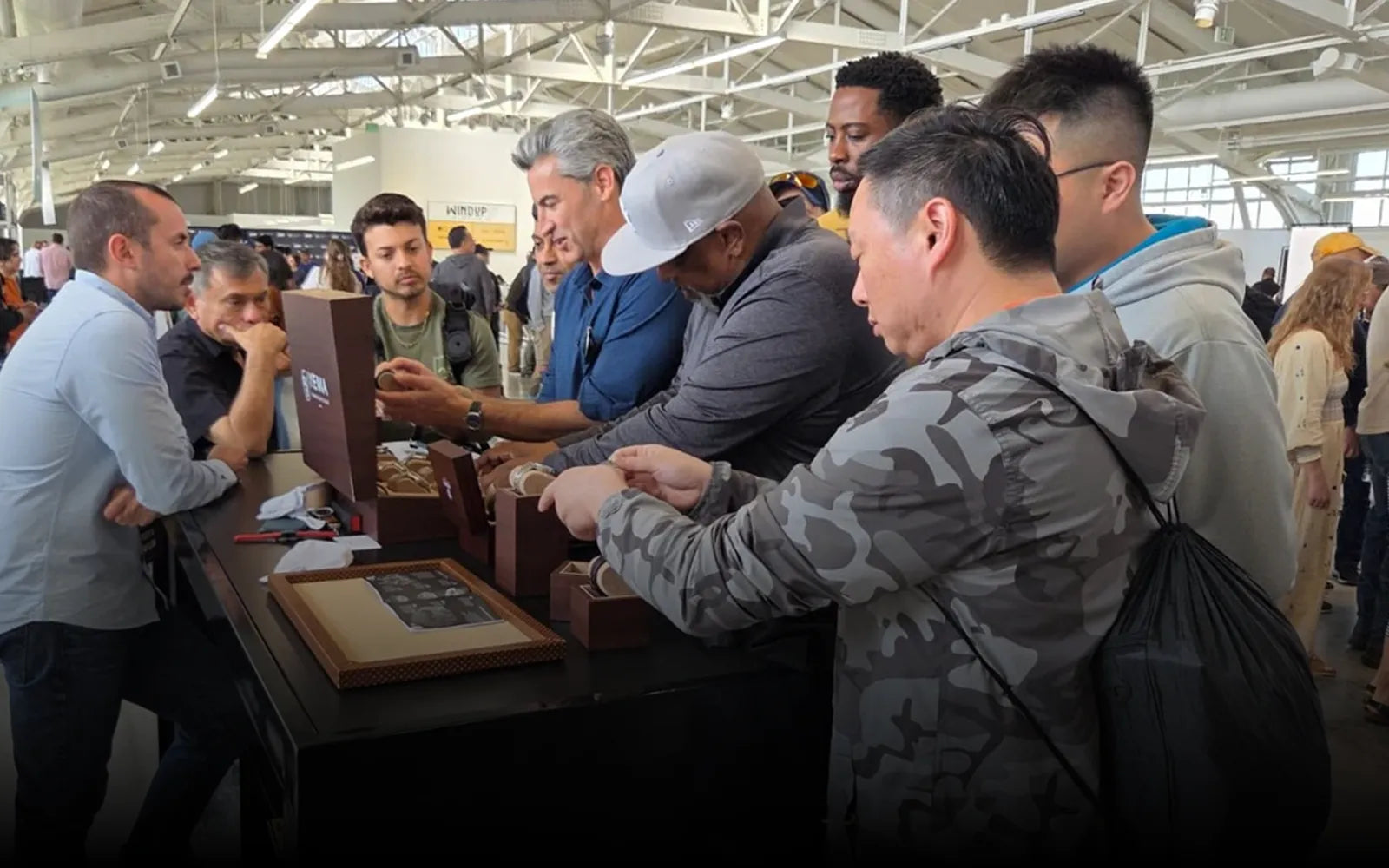
YEMA WORKSHOPS (MORTEAU)
INSIDE THE YEMA MANUFACTURE
The Complete Journey of an In-House Mechanical Caliber
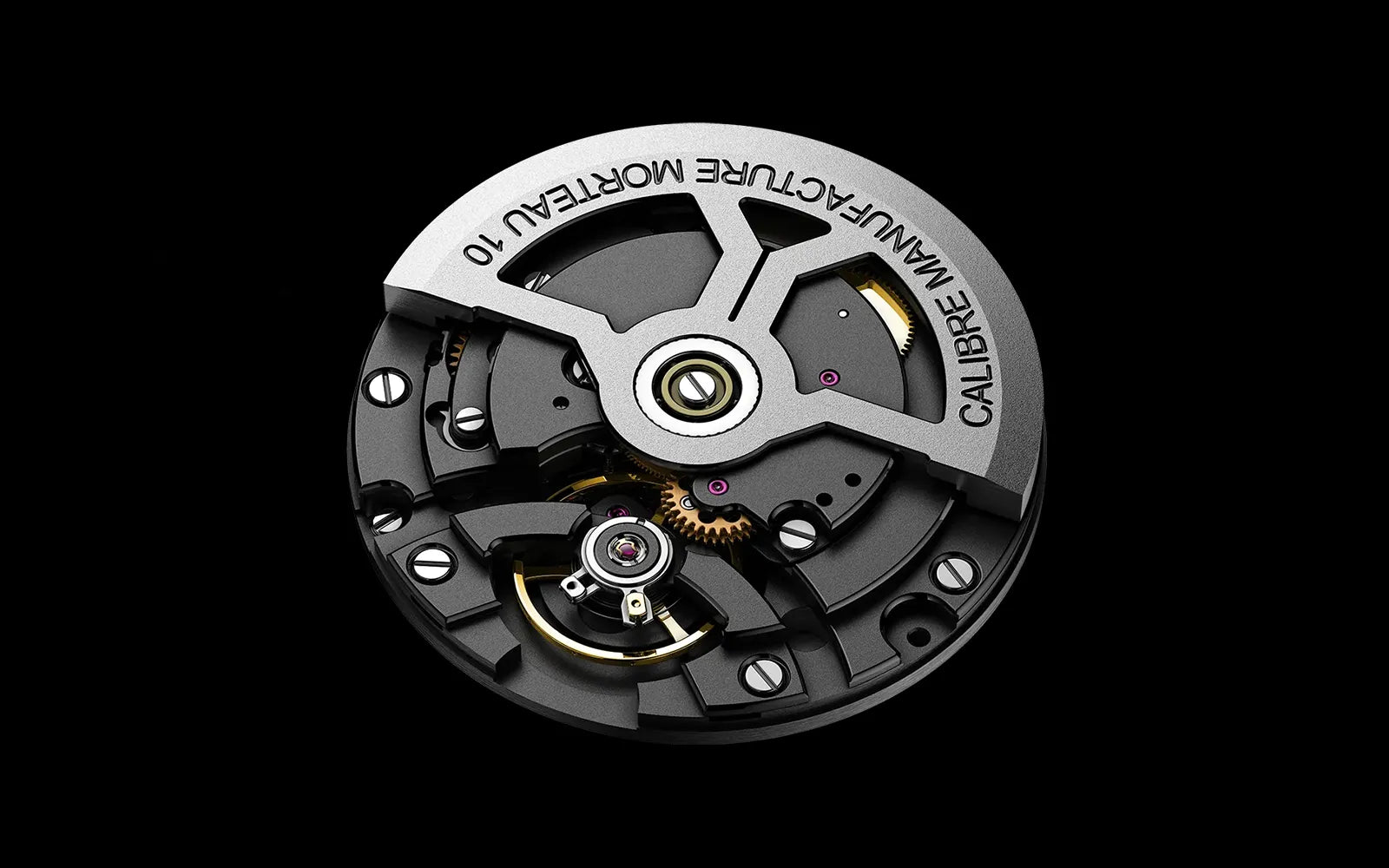
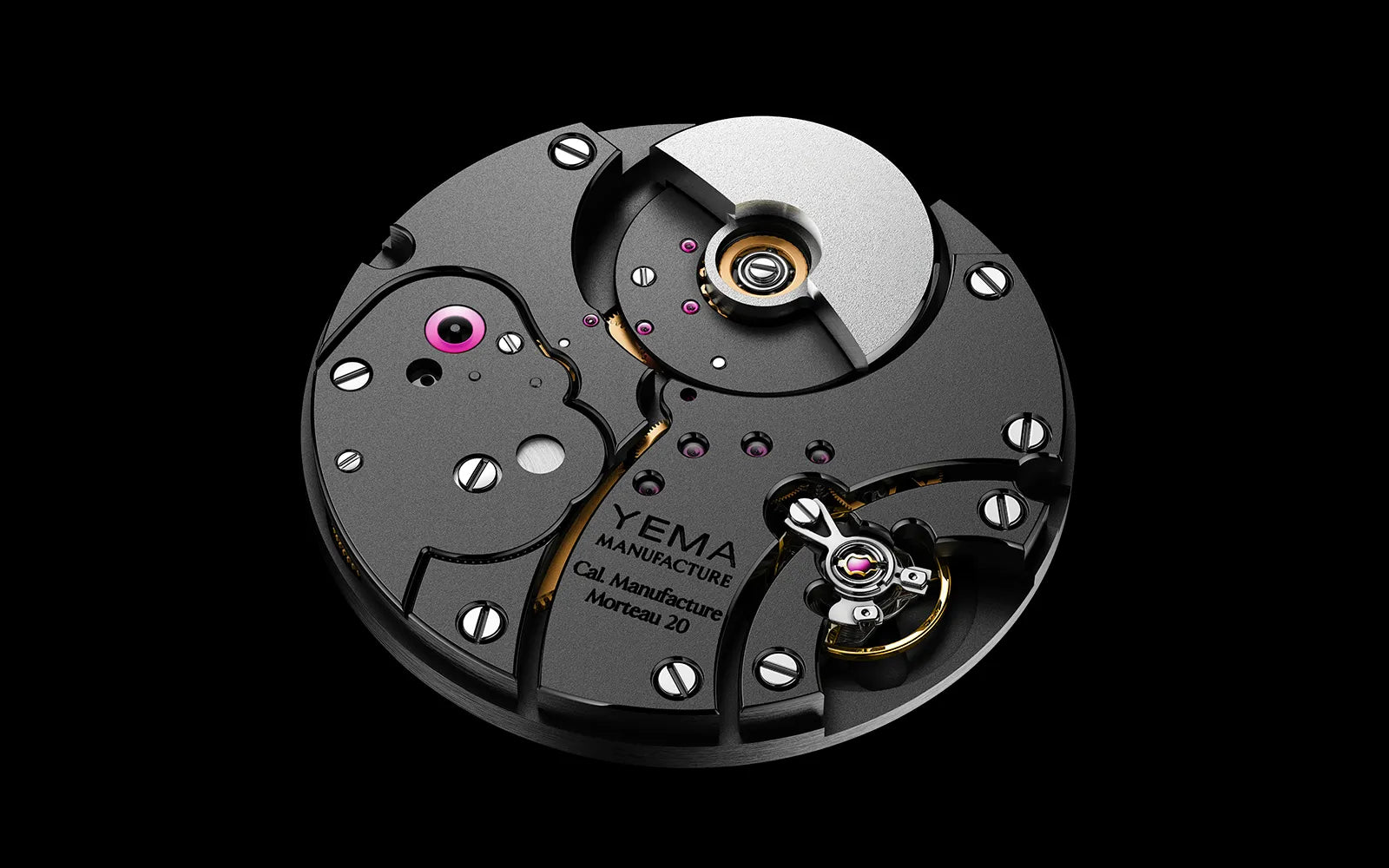
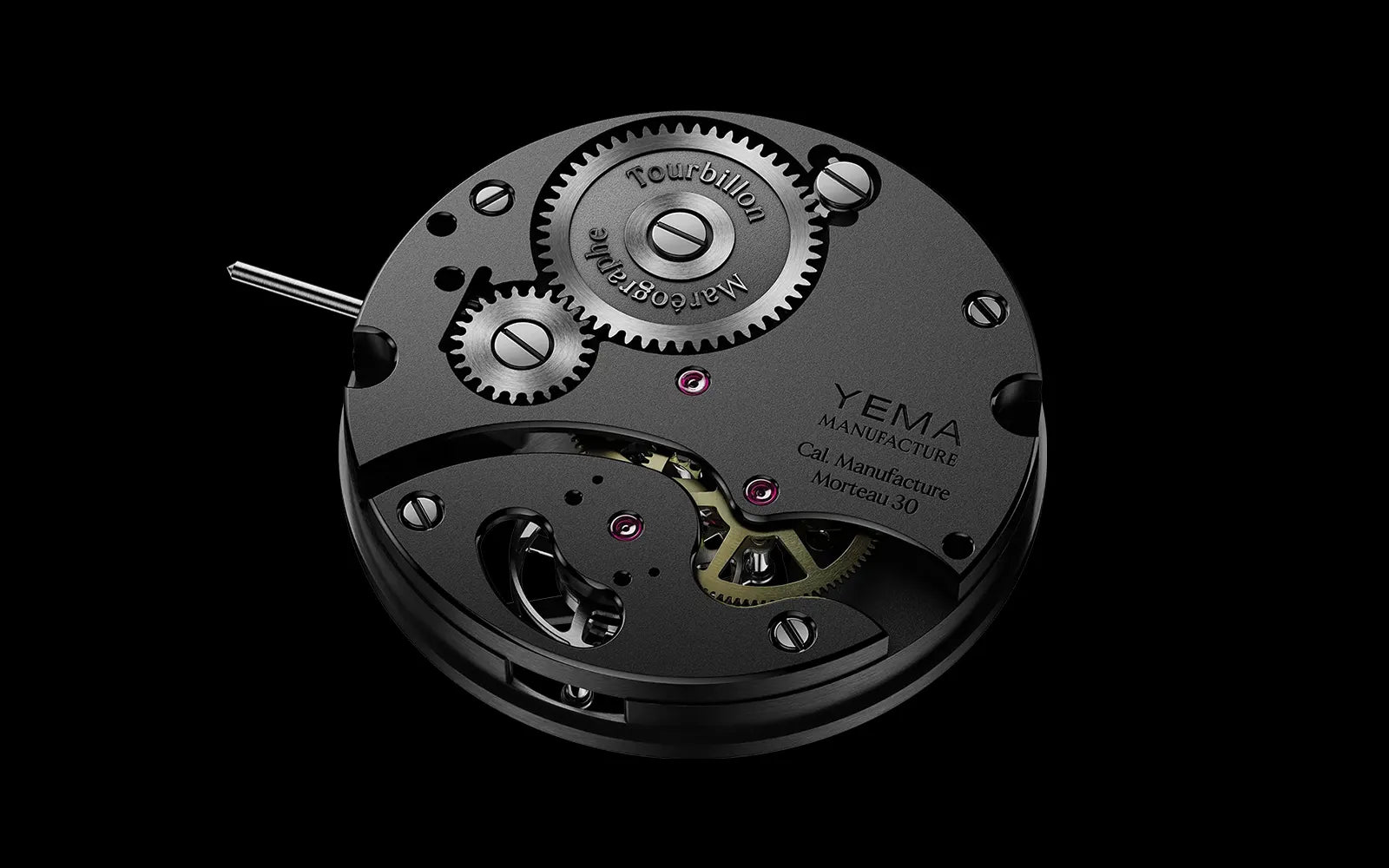
Behind every YEMA Manufacture caliber lies a story of precision, patience, and passion. Conceived by our engineers, machined in-house, decorated by skilled technicians, and assembled by master watchmakers, each movement follows a rigorous path from concept to completion.
This page invites you inside our French watchmaking Manufacture to discover the people, processes, and technologies that give life to our mechanical creations.

Conception
Our proprietary calibers are designed in-house by our team of engineers and master watchmakers. Together they define the movement architecture, design each component in CAD (Computer-Aided Design), and precisely model mechanical interactions to guarantee performance, compactness, and optimal integration of complications.
Prototyping
The first parts are machined in-house one by one and assembled into several functional prototypes. This stage validates mechanical tolerances, overall movement function, and adherence to the technical specifications before production begins.
Reliability testing
An initial pre-series of movements is manufactured in larger volumes to validate autonomy, precision, and shock resistance in real-world wearing conditions. This phase lasts at least 12 months and also harnesses valuable feedback to refine final adjustments and ensure optimal reliability before full series production.
Series production
Using the feedback from the pre-series and testers, certain components may be adjusted or optimized to further enhance performance. Once validated, full production begins, every part is machined, decorated, assembled, and tested according to strict quality standards that guarantee reliable performance across all watches equipped with the movement.

YEMA WORKSHOPS (MORTEAU)
Bridges and mainplates machining
Bridges and mainplates are machined in our workshops with micrometric precision, using high-performance CNC machining centers. This step determines essential volumes, drilling, and locations needed for accurate movement assembly.
Ultrasonic cleaning
Using a next-generation solvent machine, parts are thoroughly cleaned by ultrasonic waves to eliminate polishing residues, oil traces, and dust particles. This ensures perfectly clean surfaces ready for subsequent decoration and finishing.
Dimensional controls
Each part is meticulously inspected using 2D and 3D metrology tools. Our engineers verify critical tolerances to ensure perfect component fit and mechanical reliability of the movement.

YEMA WORKSHOPS (MORTEAU)
Deburring
Sharp edges and machining residues are carefully removed by hand. This finishing step ensures clean surfaces without imperfections, preventing premature wear once the caliber is assembled.
Tribofinishing
Parts are placed in rotating vibratory tubs with a mix of abrasives and additives to perform a gentle, homogeneous polishing. This process smoothes surfaces and prepares components for subsequent decorative treatments.
Microblasting
A jet of microbeads is projected onto the surface of components to achieve a matte, homogeneous finish tailored to the desired aesthetic. The material of the beads (e.g., bronze or silica), their size, and their characteristics are adjusted to produce a refined texture that enhances later decorations. The regularity of the treatment and absence of defects are rigorously controlled to meet watchmaking micro-tolerance standards and ensure optimal light diffusion.
Jewel setting
Synthetic rubies, feet, and pins are installed with micrometric precision using advanced driving equipment. These jewels are essential to reduce friction between moving components and ensure an optimal lifespan for the moving parts of the caliber.
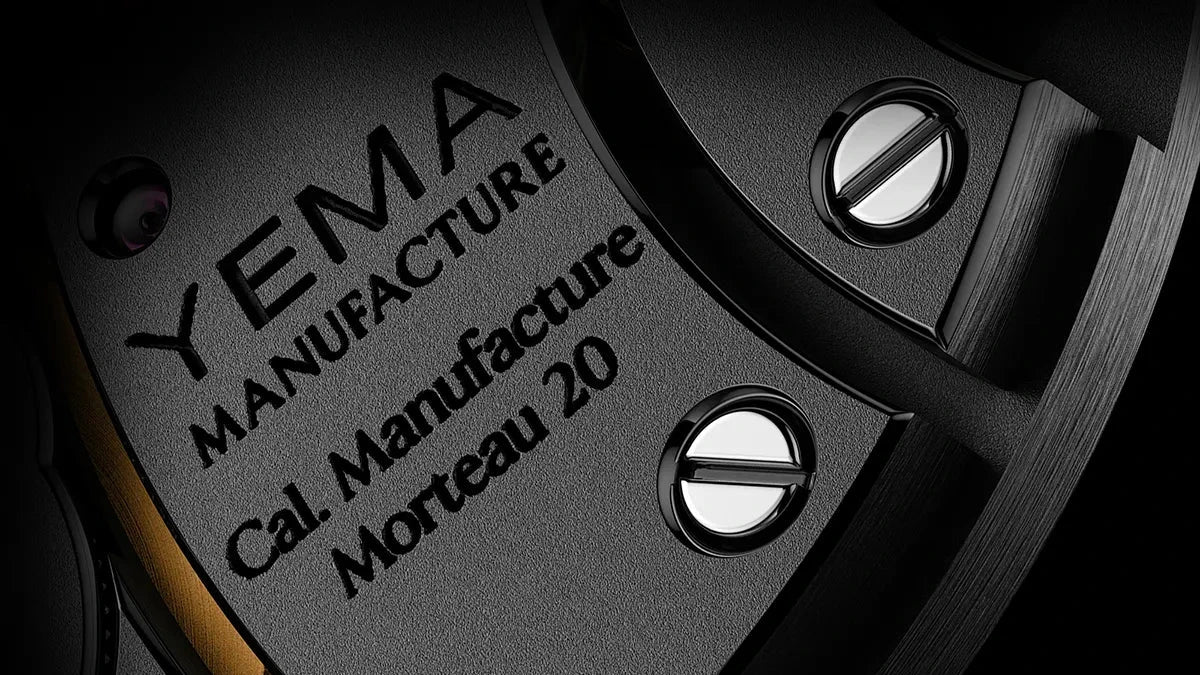
YEMA WORKSHOPS (MORTEAU) & SWISS PARTNERS (DECOTECH)
Decoration
Specific surface treatments and aesthetic checks are applied to bridges, mainplates, gears, and rotors. This can include galvanic ruthenium black or rhodium plating, PVD (Physical Vapor Deposition), ALD (Atomic Layer Deposition), sunburst Geneva stripes, and more. Each decorative component is meticulously inspected for finish quality, uniformity, and luster before final assembly.

YEMA WORKSHOPS (MORTEAU)
Riveting and press fitting
Riveting and press fitting are essential assembly operations that join an axle to a plate or wheel to create a cohesive mobile unit. Using a precision press, the axle is driven in under controlled force to ensure perfect alignment and a reliable fit without damaging the components. Riveting then slightly deforms a small excess of material, permanently locking the two parts together so they cannot separate.
Balance staff installation
The balance spring is carefully attached to the balance wheel by a delicate pitonnage process, which ensures regular oscillation of the regulating organ, a critical factor in achieving chronometric precision in the final movement configuration.
Movement assembly
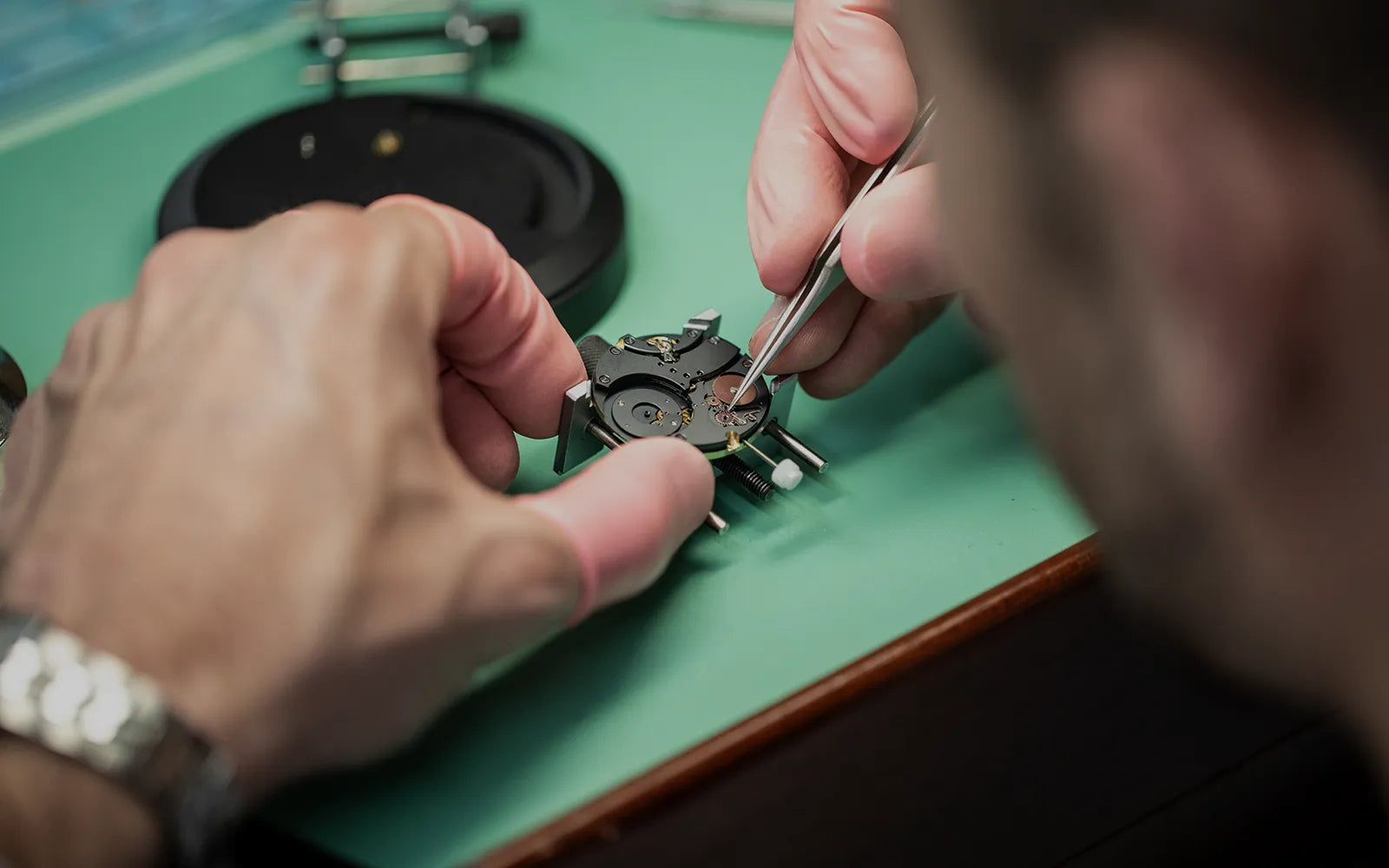
Mechanical components, including wheels, bridges, plates, and springs, are assembled by hand with precision by our watchmakers. This creates the functional heart of the movement. The process follows an electromechanical transfer line (carousel system), guiding each movement step by step through the assembly process in a blend of automation and human expertise.
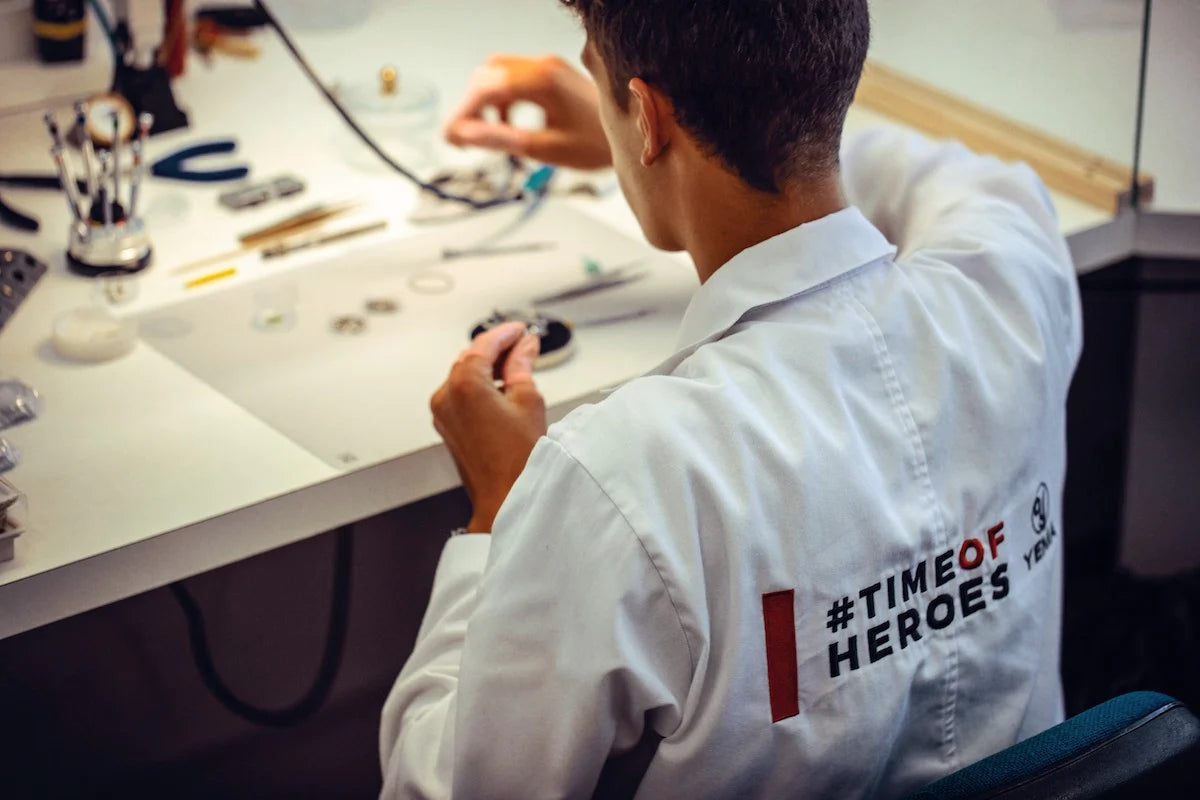
YEMA WORKSHOPS (MORTEAU)
Precision adjustment
The movement is finely regulated to guarantee optimal chronometric precision. Watchmakers adjust the balance and hairspring, checking daily timing in multiple positions according to high watchmaking standards.
Power reserve testing
This phase measures and optimizes the movement’s autonomy. The mainspring is rigorously tested to verify that it delivers the specified energy, ensuring the power reserve meets technical specifications.
Final aesthetic inspection
After performance validation, each movement undergoes a final aesthetic inspection. Visible components are checked for finish quality, texture uniformity, precise alignment, and overall visual coherence. Only calibers that meet YEMA’s exacting aesthetic and watchmaking standards are approved for final casing.


YEMA workshops are based in Morteau, the cradle of French watchmaking, a few steps from the Swiss watchmaking region. This cross-border watchmaking community concentrated along the Jura mountains has gradually transformed into a true regional watchmaking ecosystem recognized as Intangible Cultural Heritage by the UNESCO in 2020.
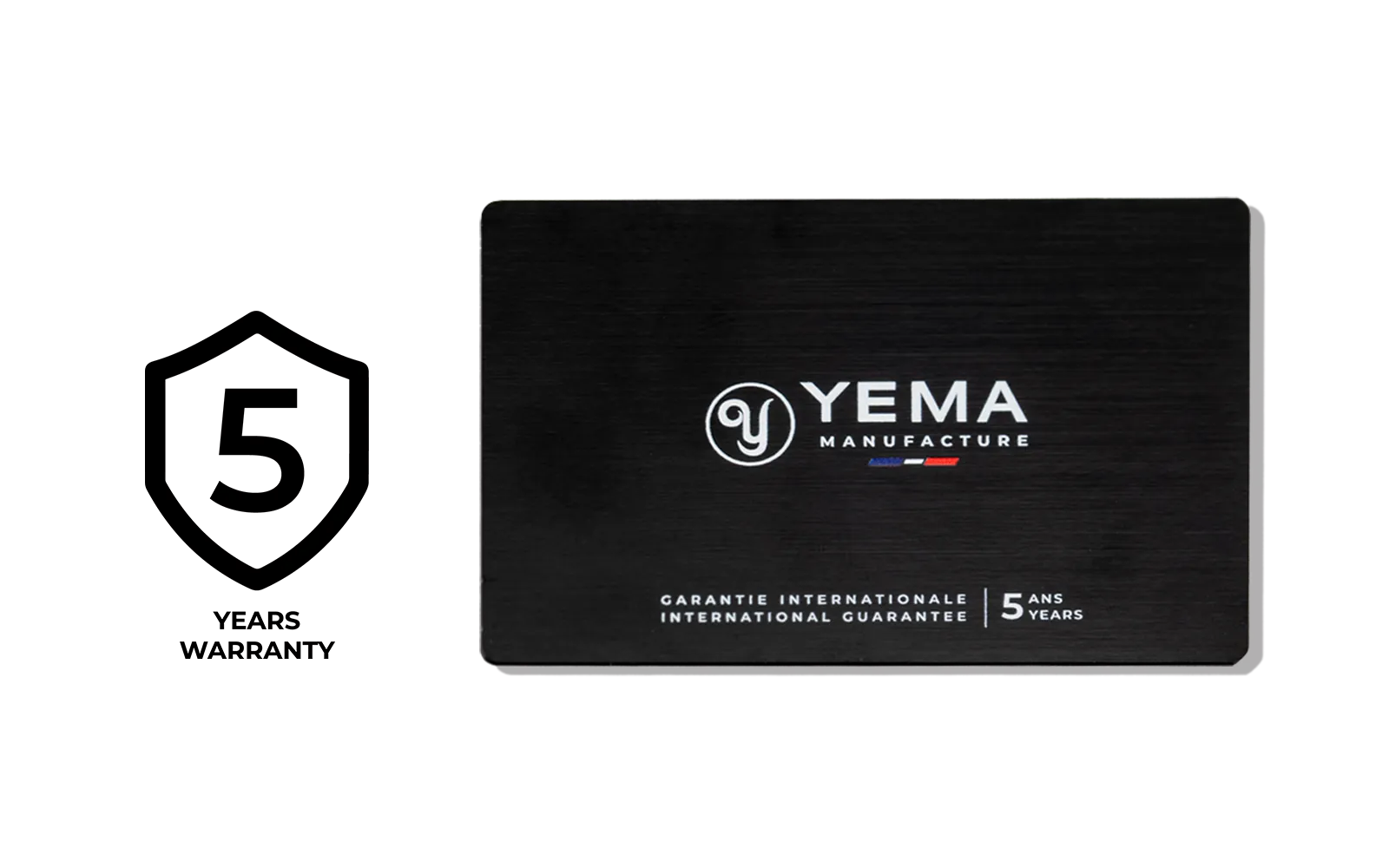
In our commitment to quality, all timepieces equipped with a mechanical YEMA Manufacture movement enjoy an extended International Warranty period of 5 (five) years.
DISCOVER OUR MANUFACTURE CALIBERS
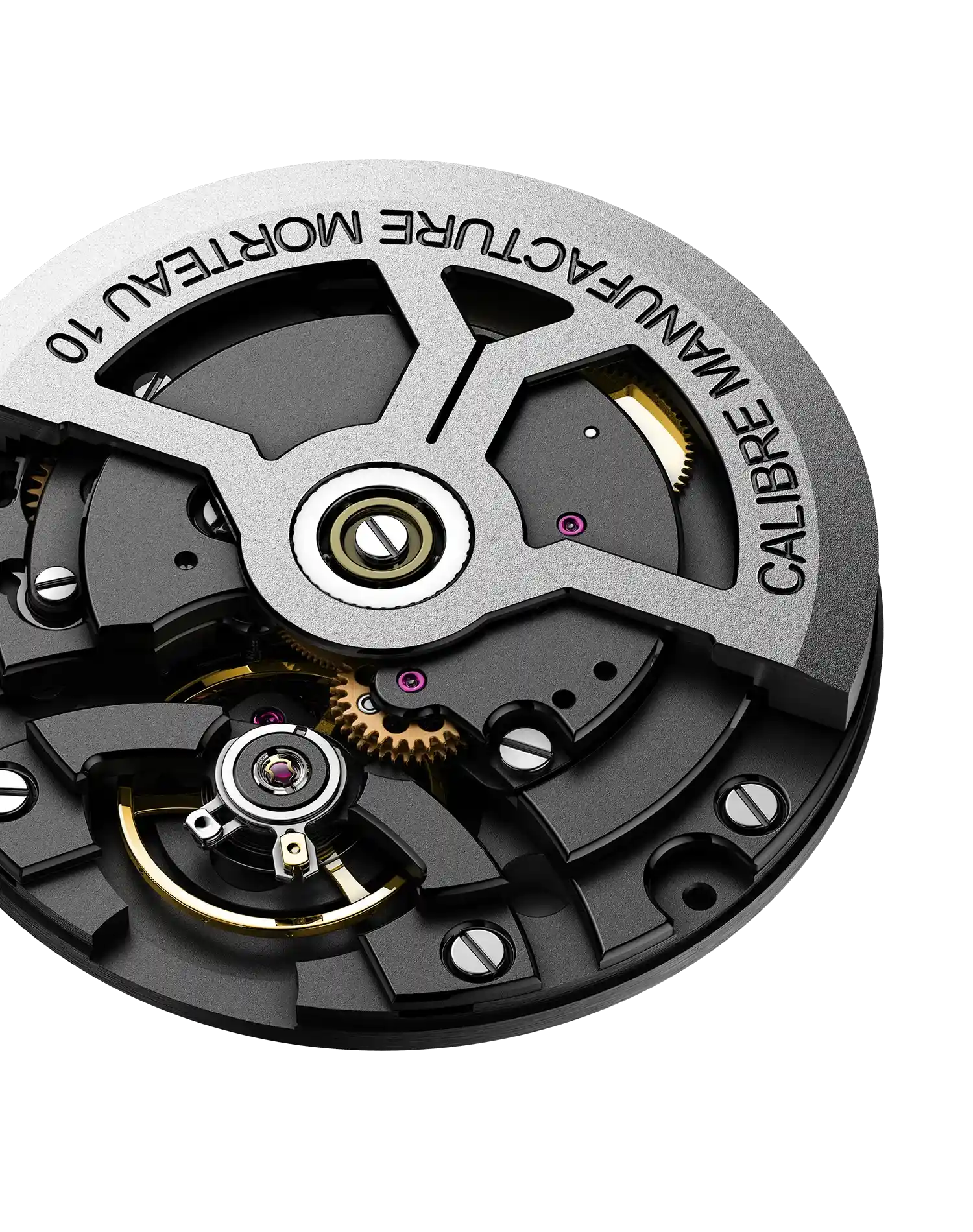
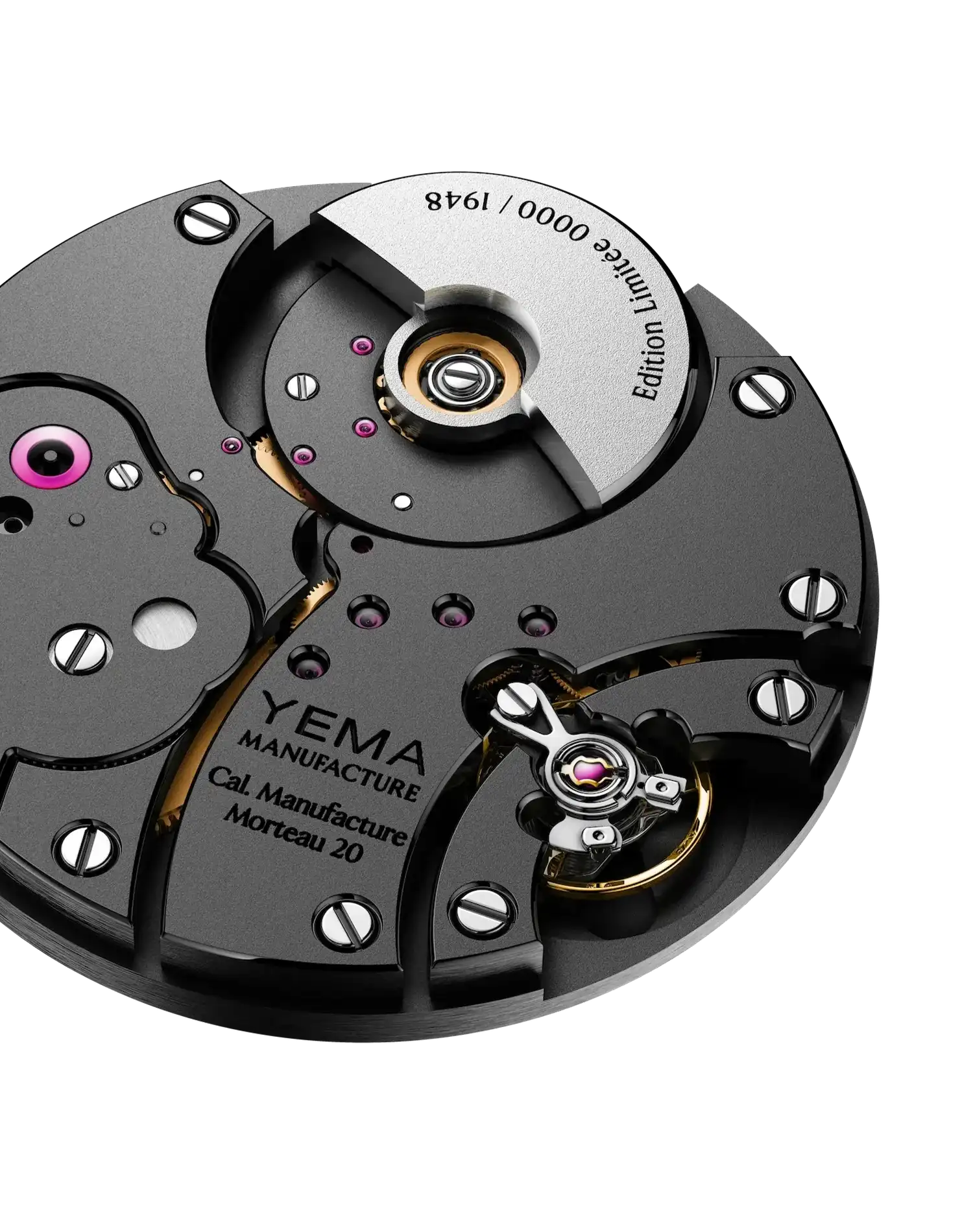
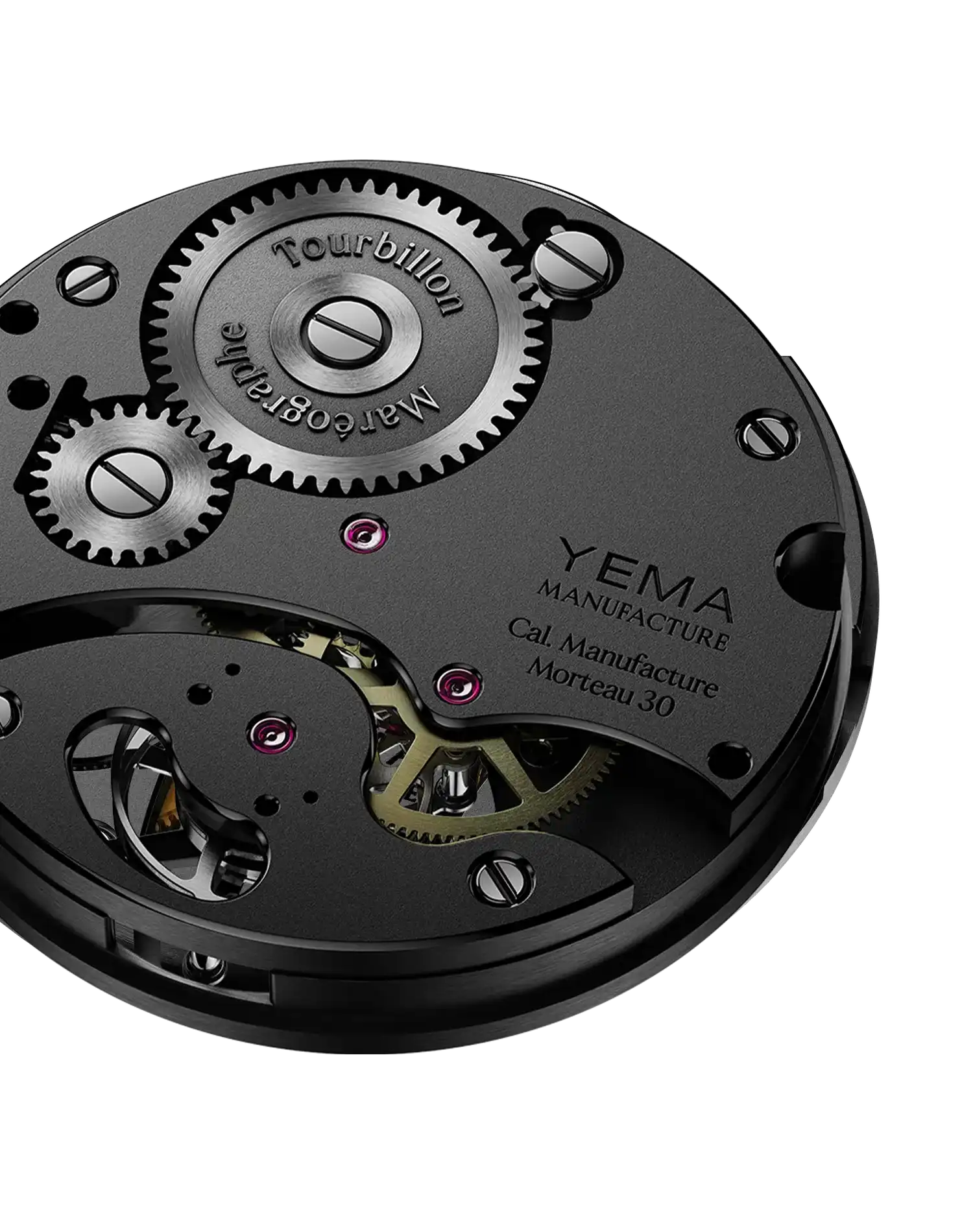
EXPLORE OUR MANUFACTURE COLLECTION
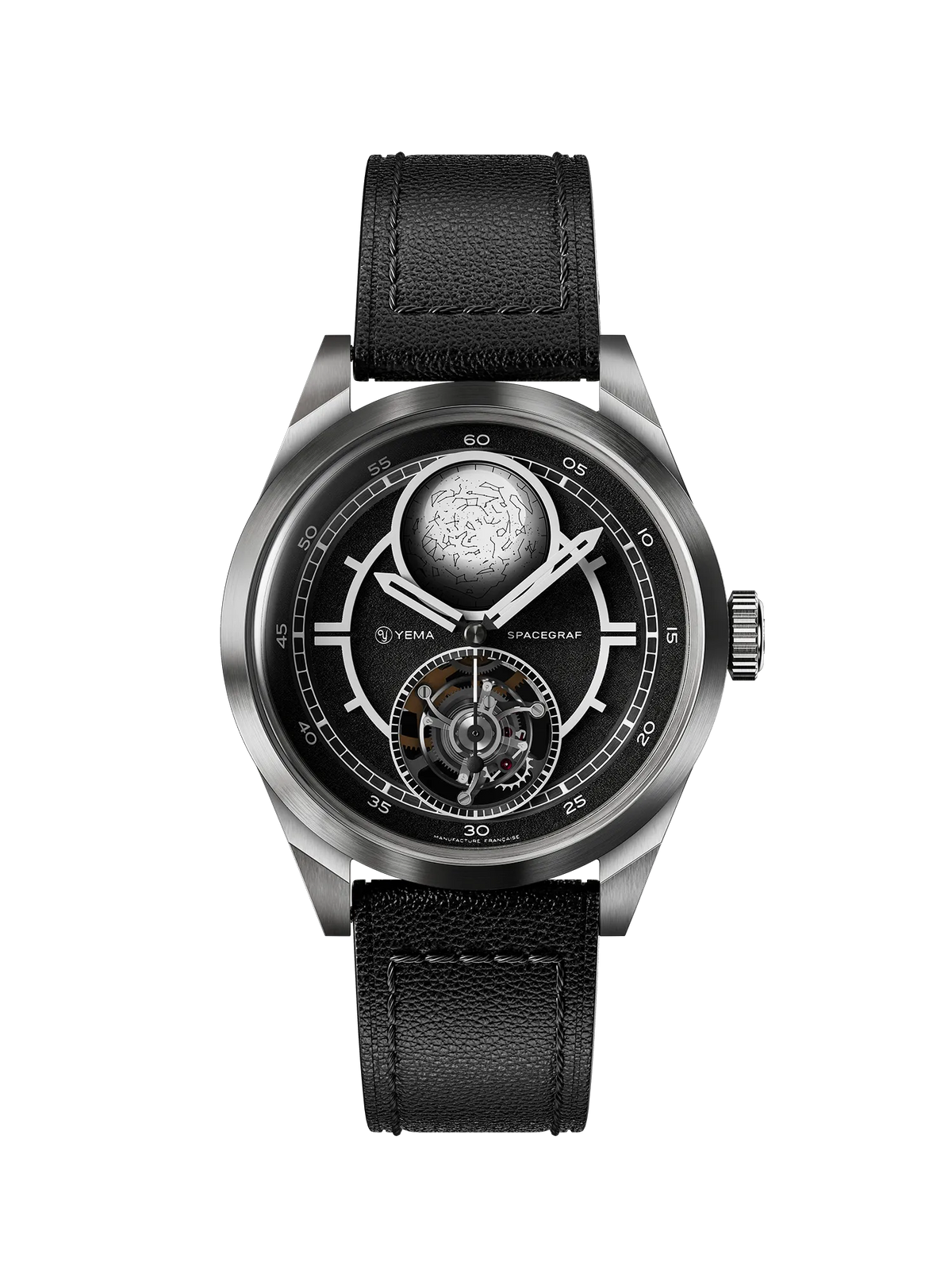
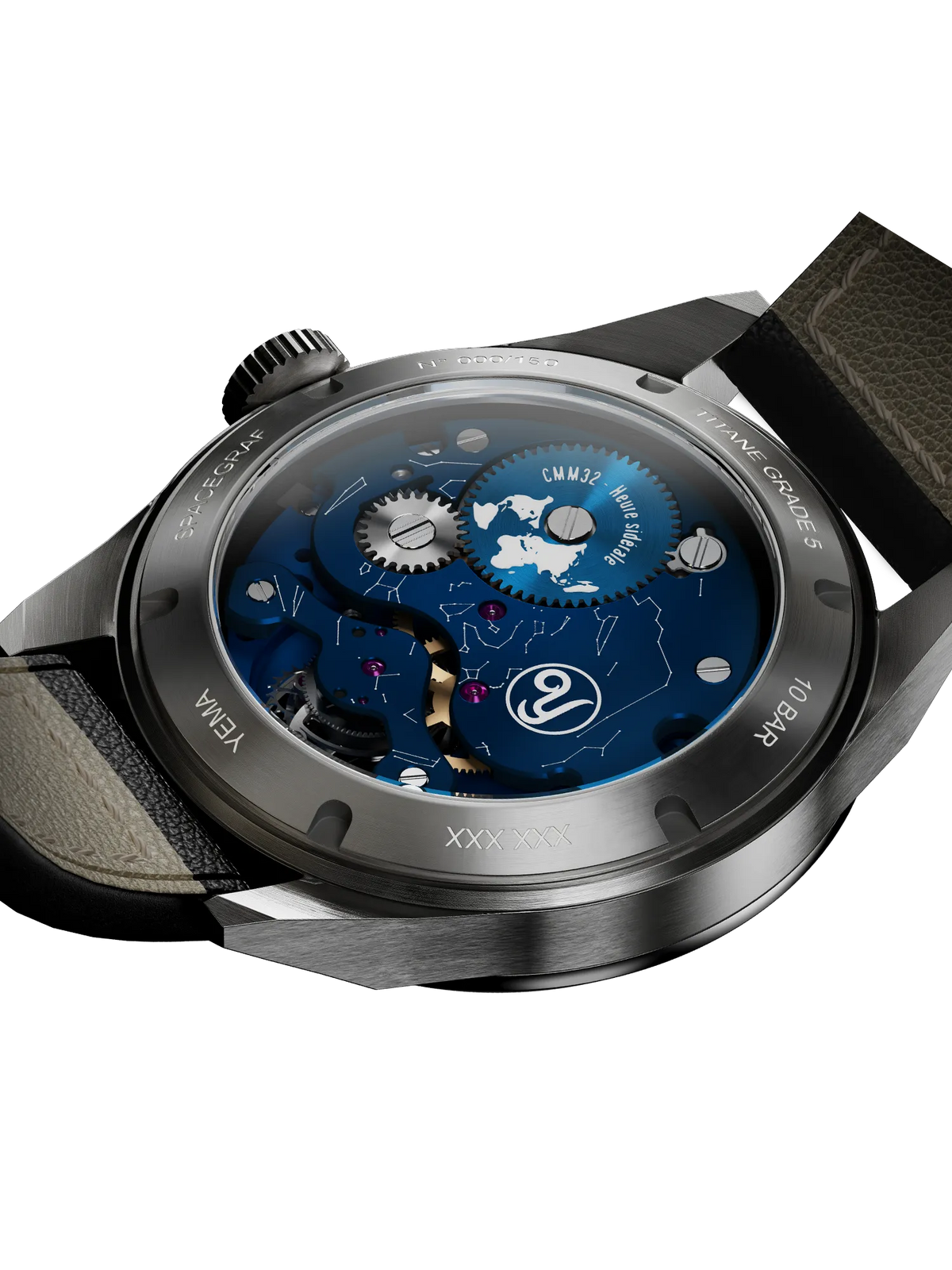
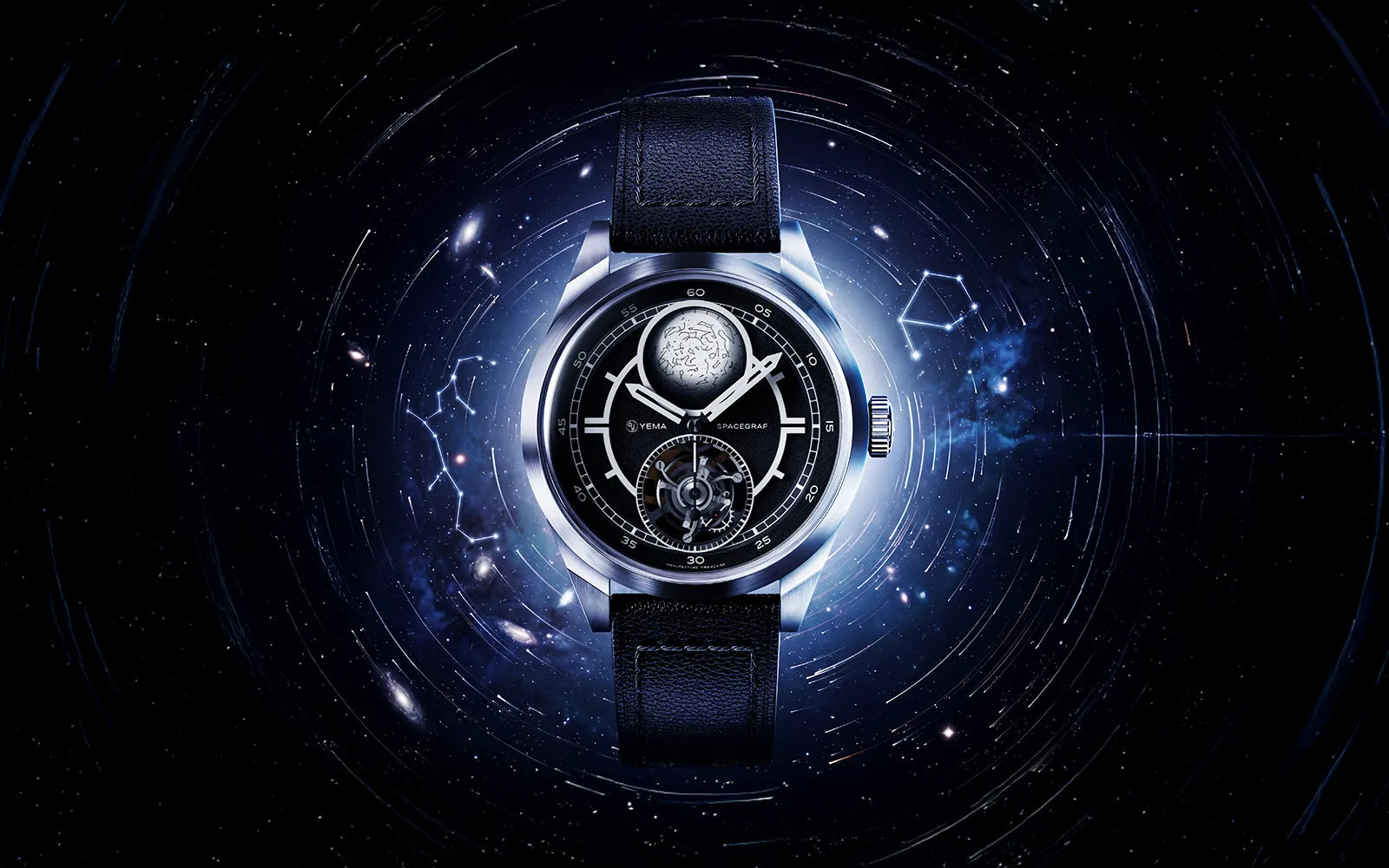
Spacegraf Heure Sidérale Tourbillon Volant Limited Edition
Sale price$16,000.00
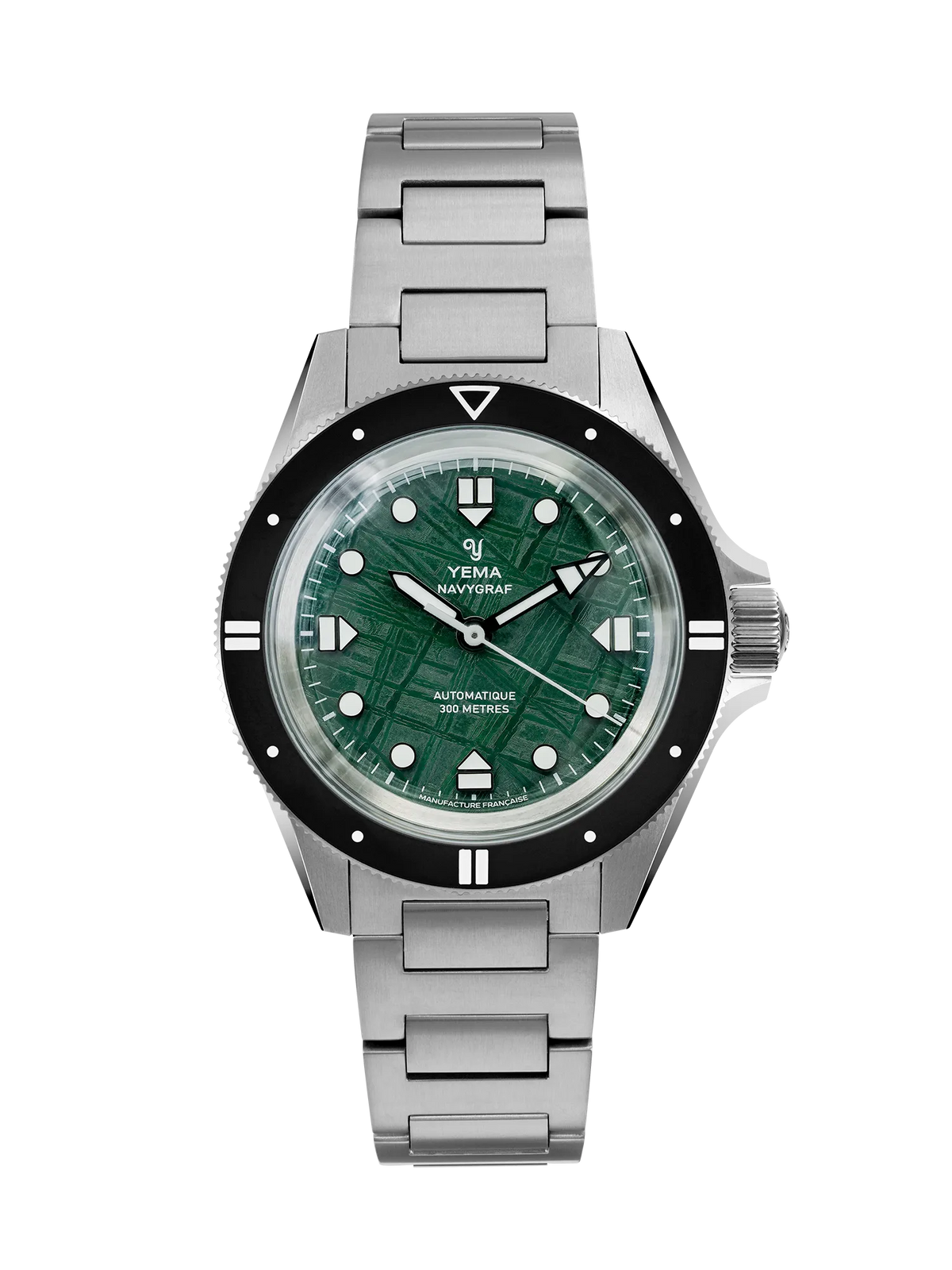
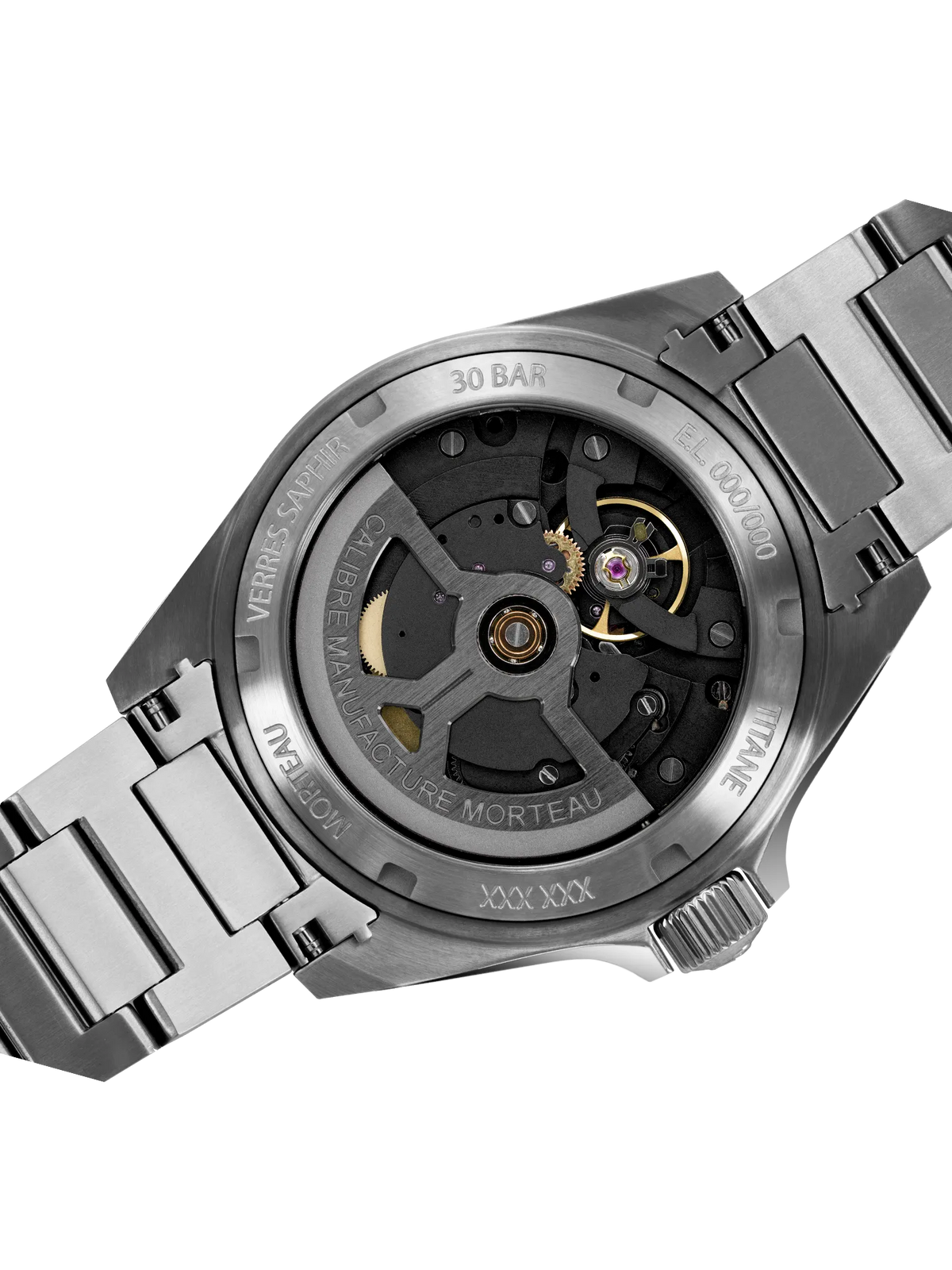
Navygraf Meteorite CMM.10 Limited Edition
Sale price$3,350.00
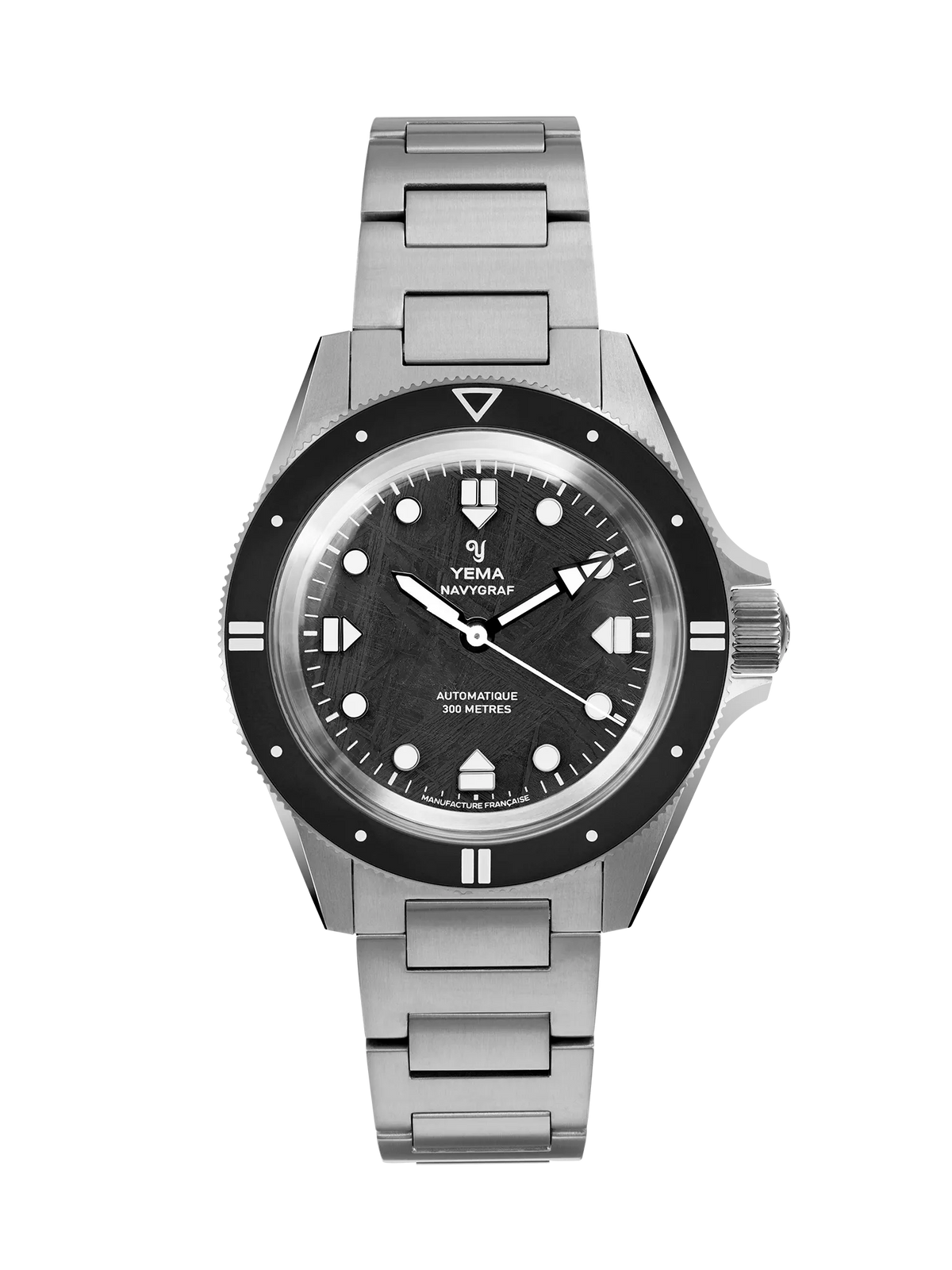
Navygraf Meteorite CMM.10 Limited Edition
Sale price$3,350.00
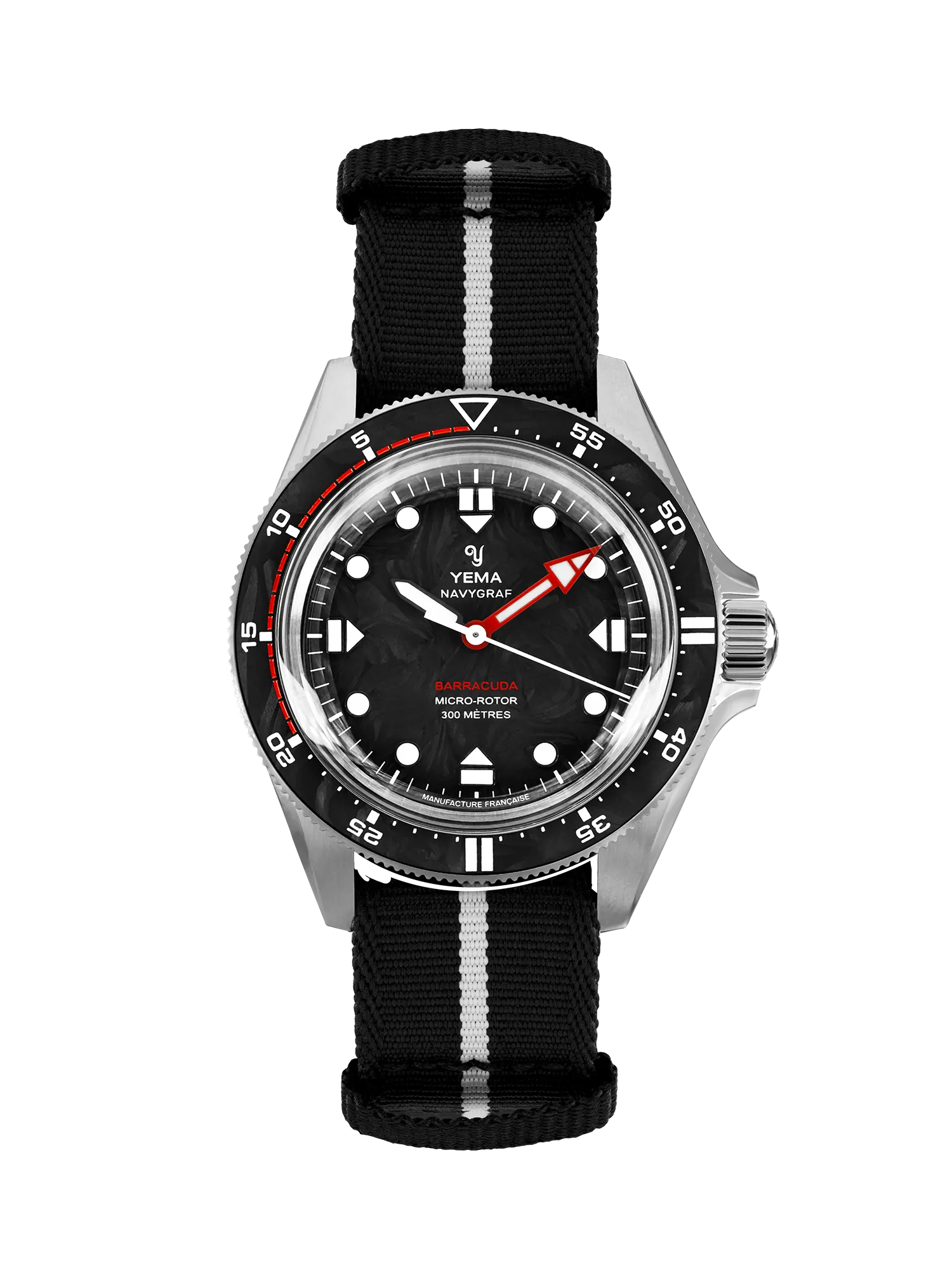
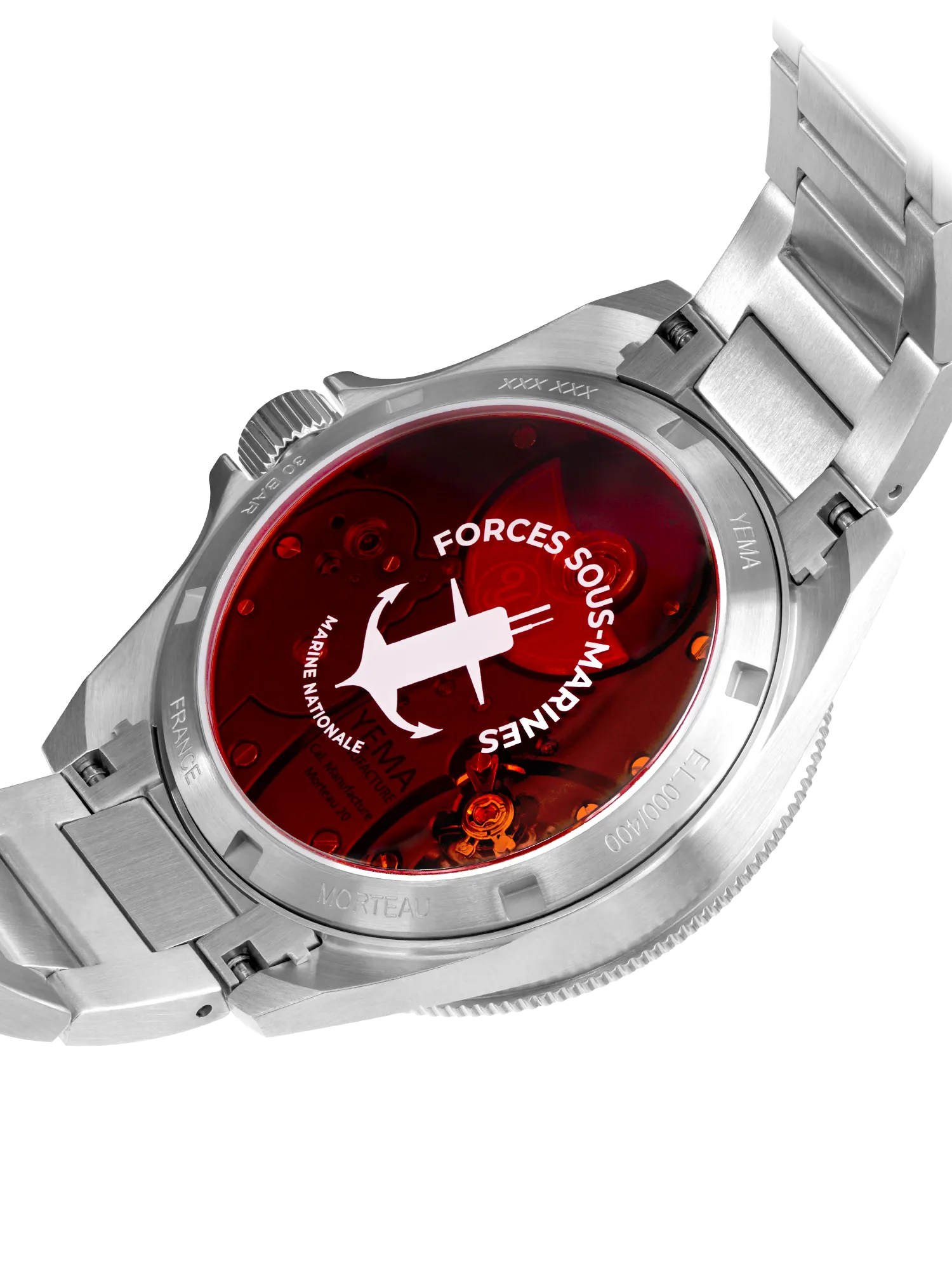
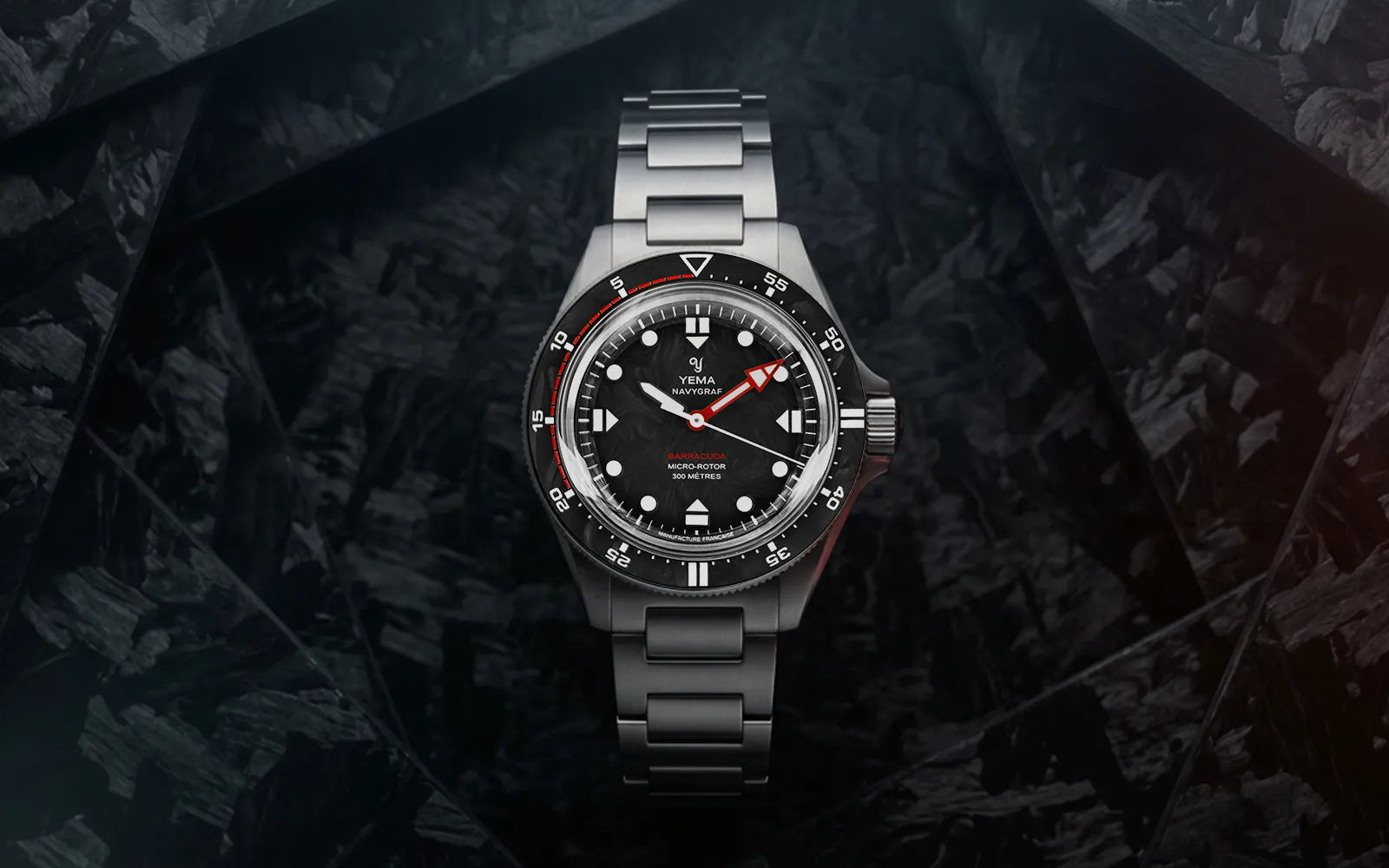
Navygraf Barracuda CMM.20 Limited Edition
Sale priceFrom $2,590.00

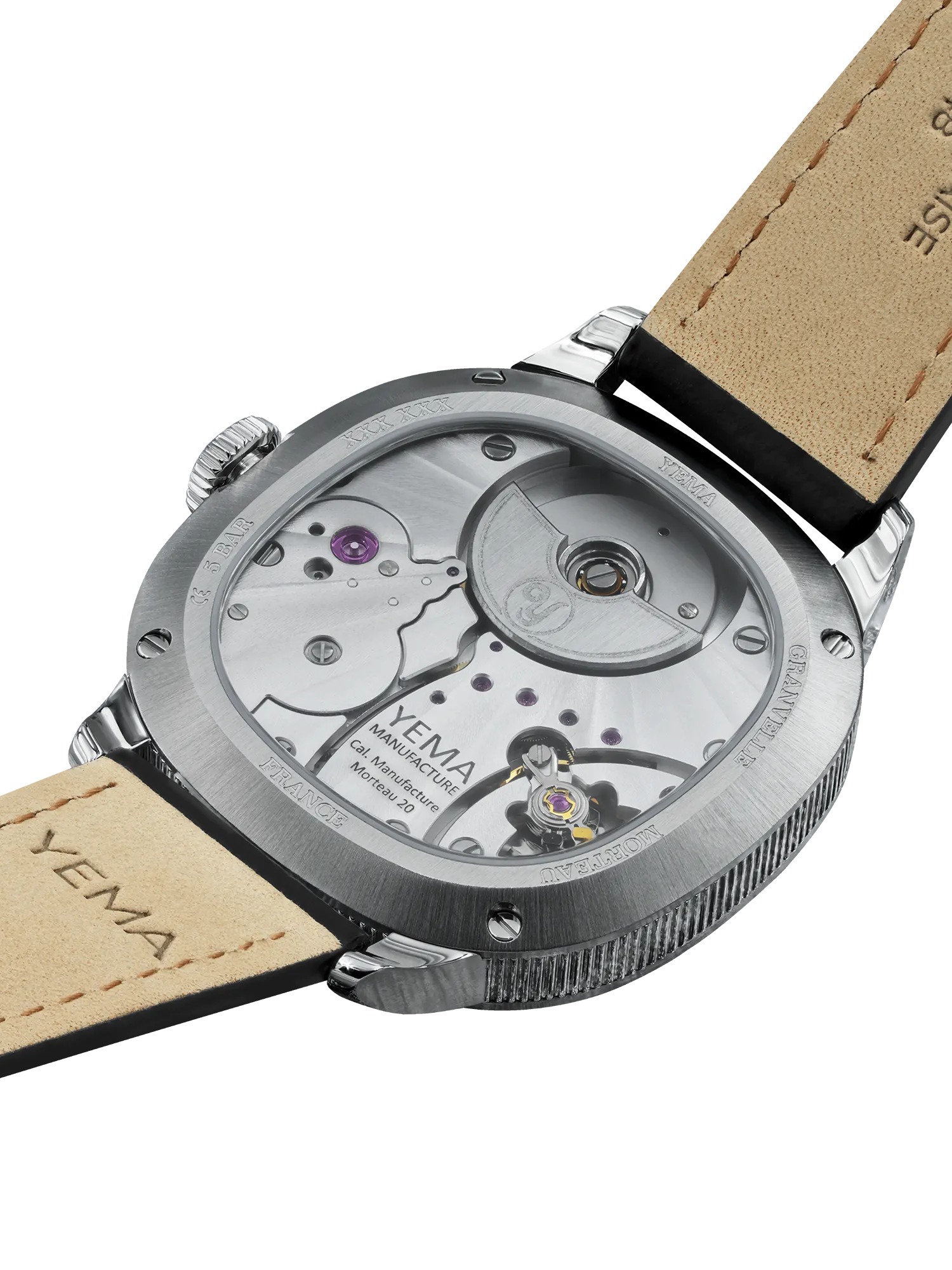
Granvelle Renaissance CMM.29
Sale price$2,500.00
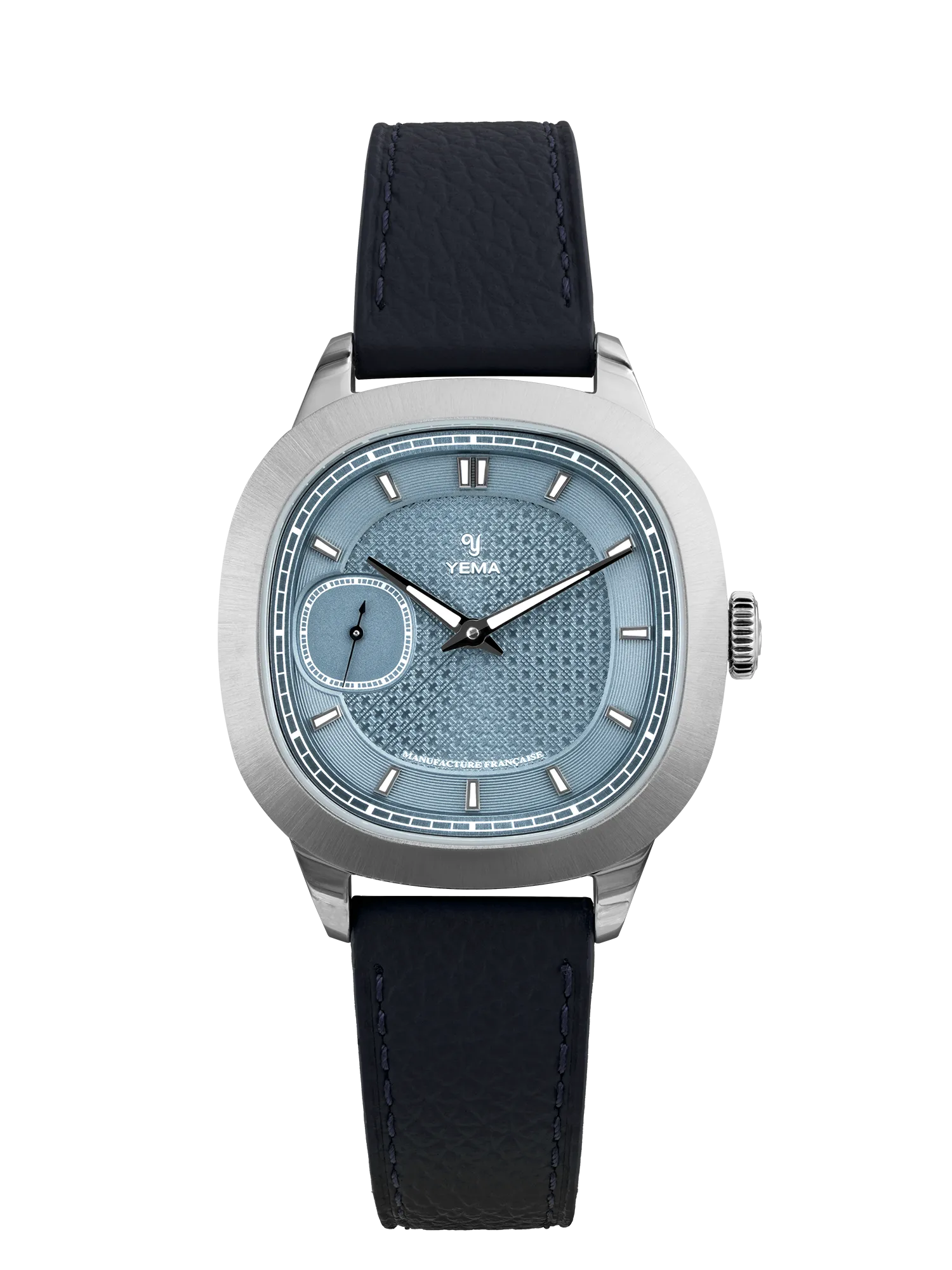
Granvelle Renaissance CMM.29
Sale price$2,500.00
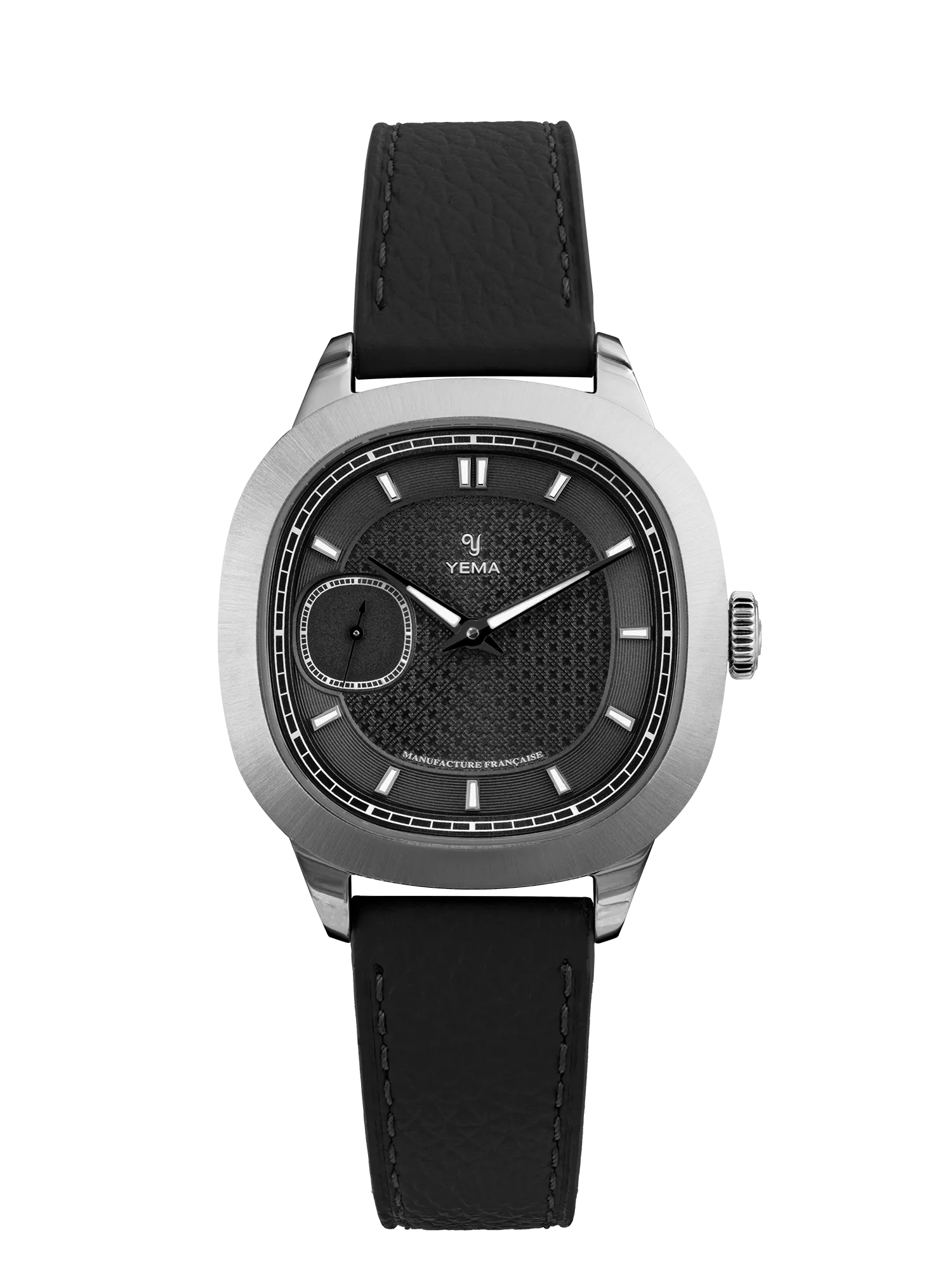
Granvelle Renaissance CMM.29
Sale price$2,500.00
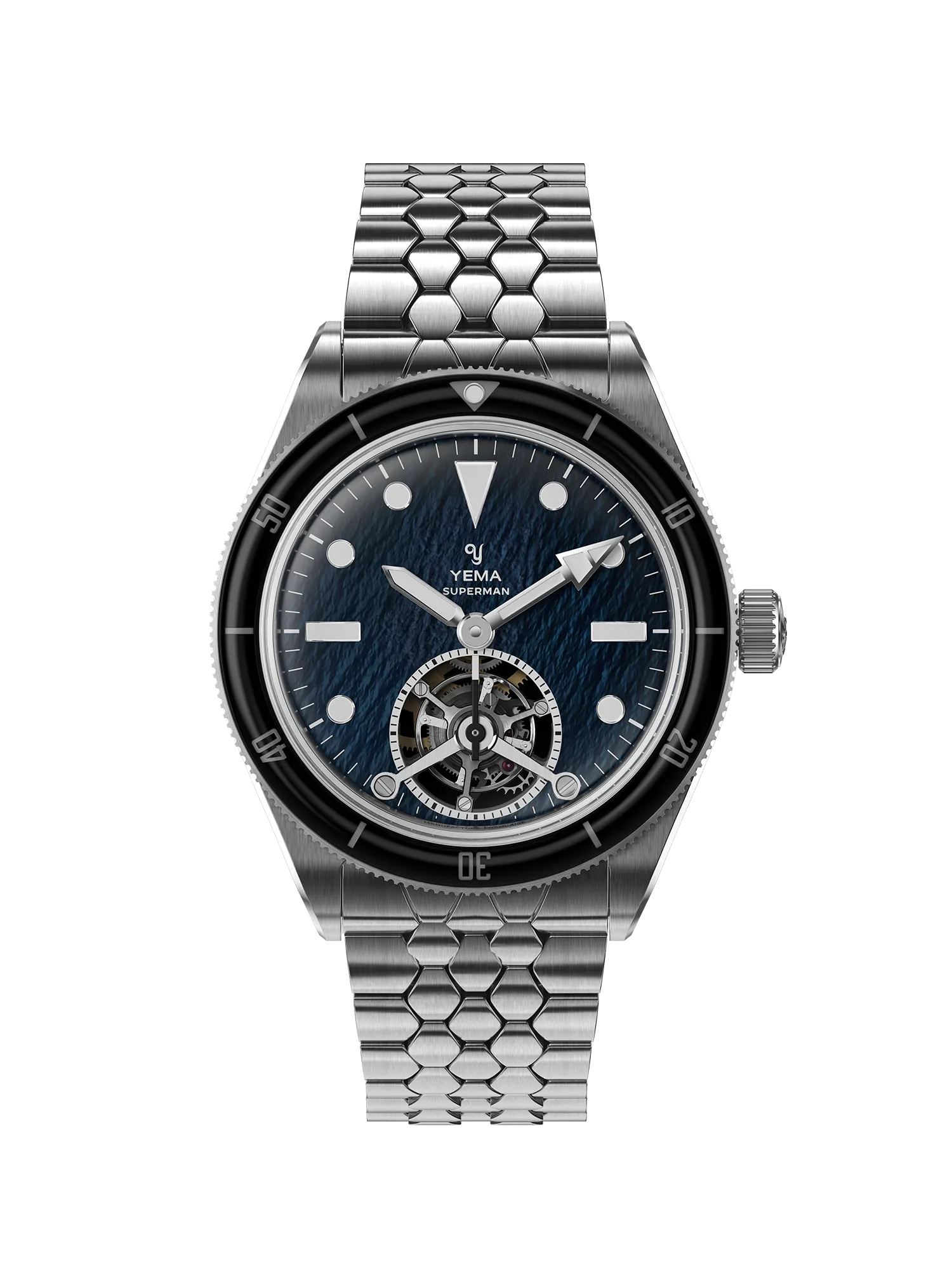
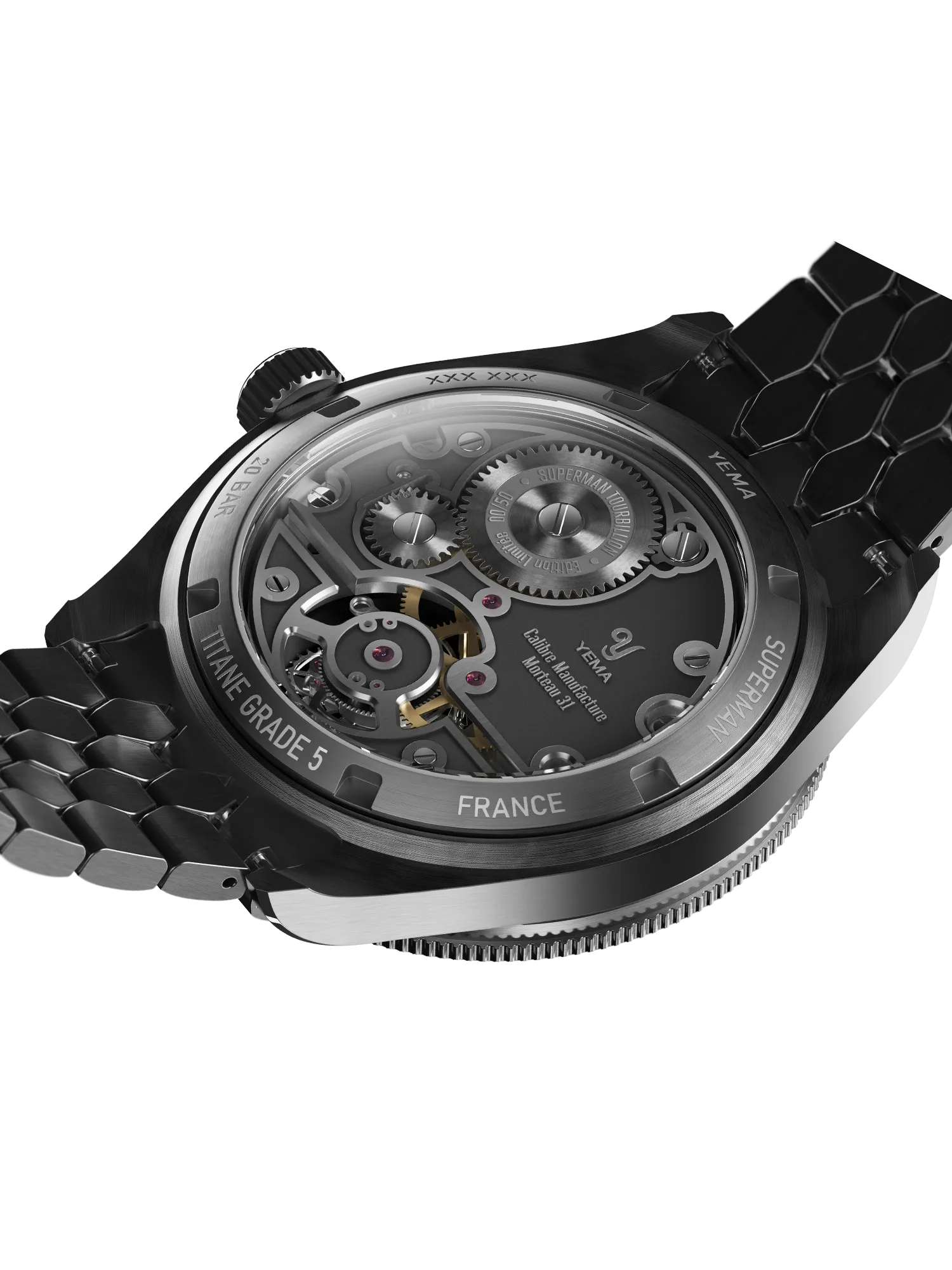
Superman Titanium Tourbillon CMM.31 Limited Edition
Sale price$13,000.00
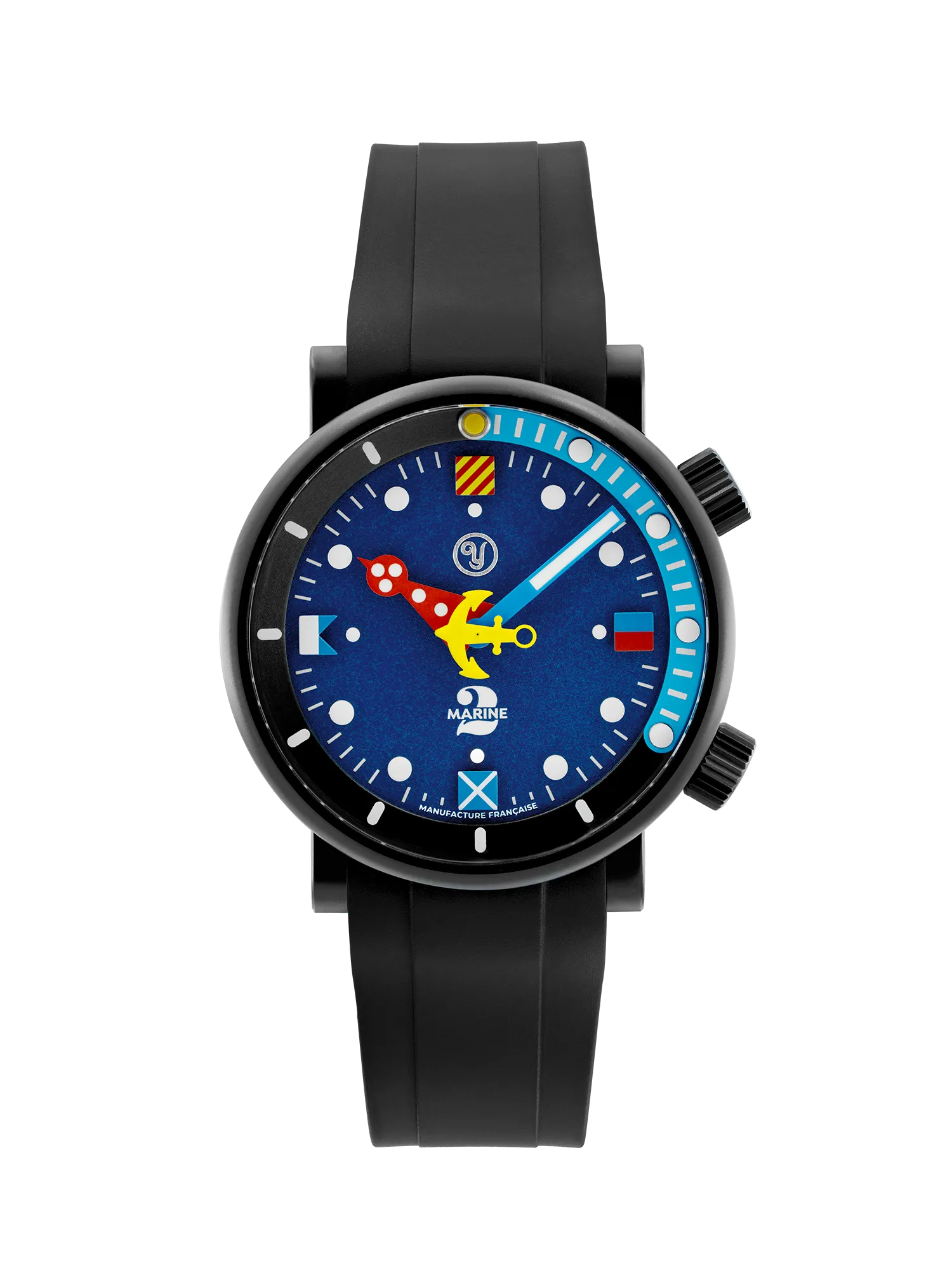

Yema x Silberstein Marine 2 CMM.20 Limited Edition
Sale price$4,425.00


Navygraf Phantom CMM.10 Limited Edition
Sale price$2,090.00


Skin Diver Slim Full Lume CMM.20 Limited Edition
Sale price$2,725.00
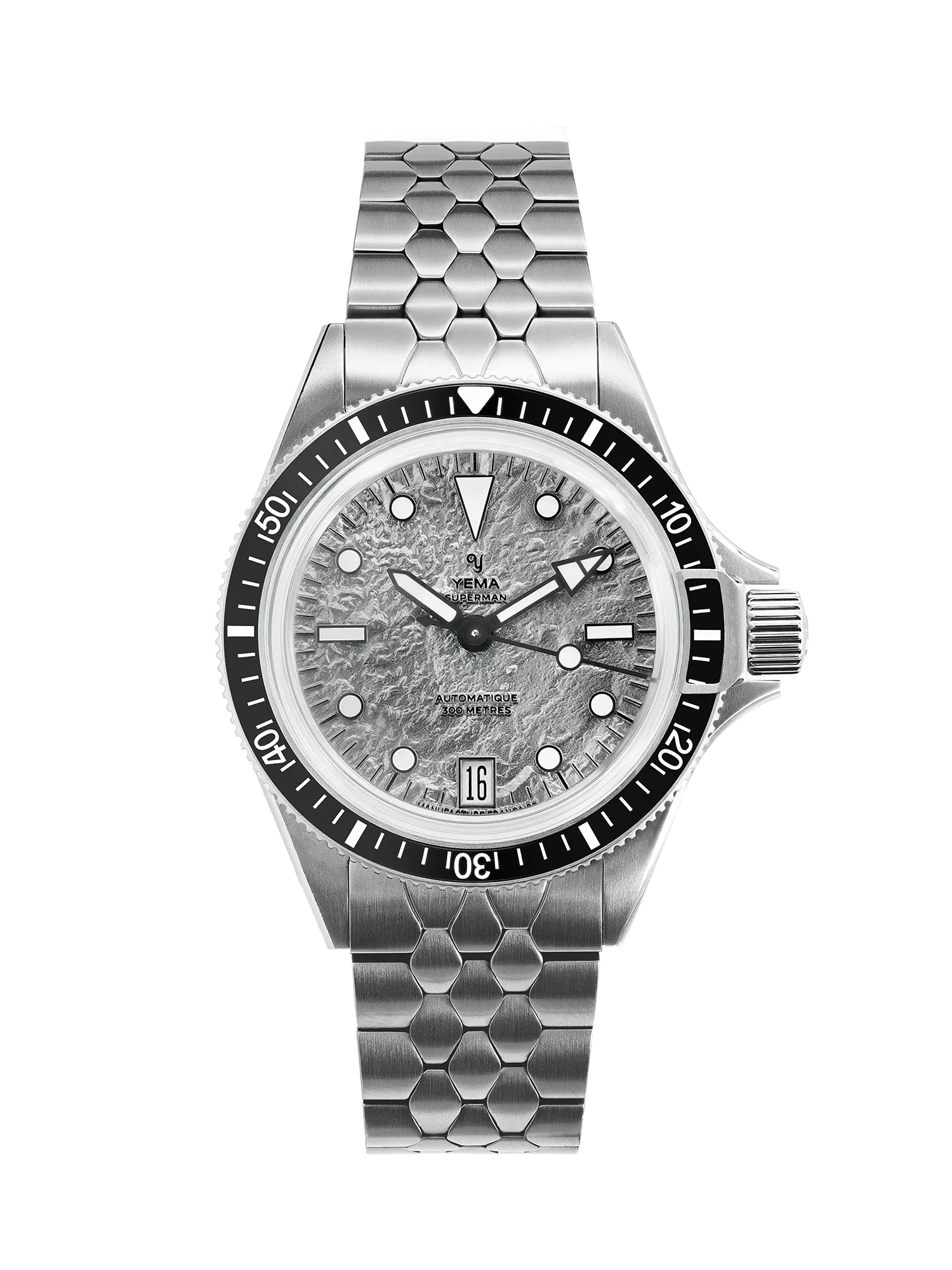
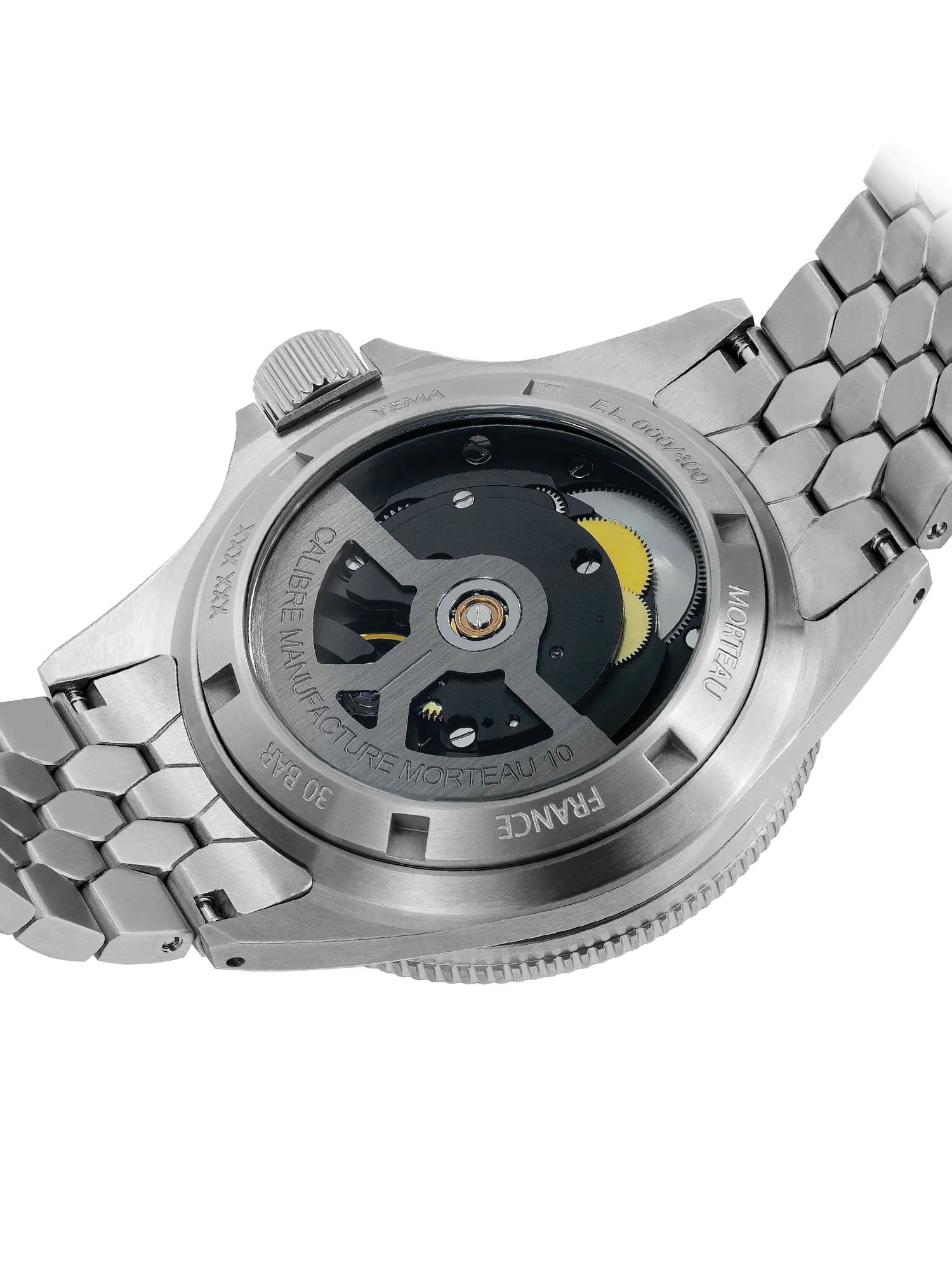
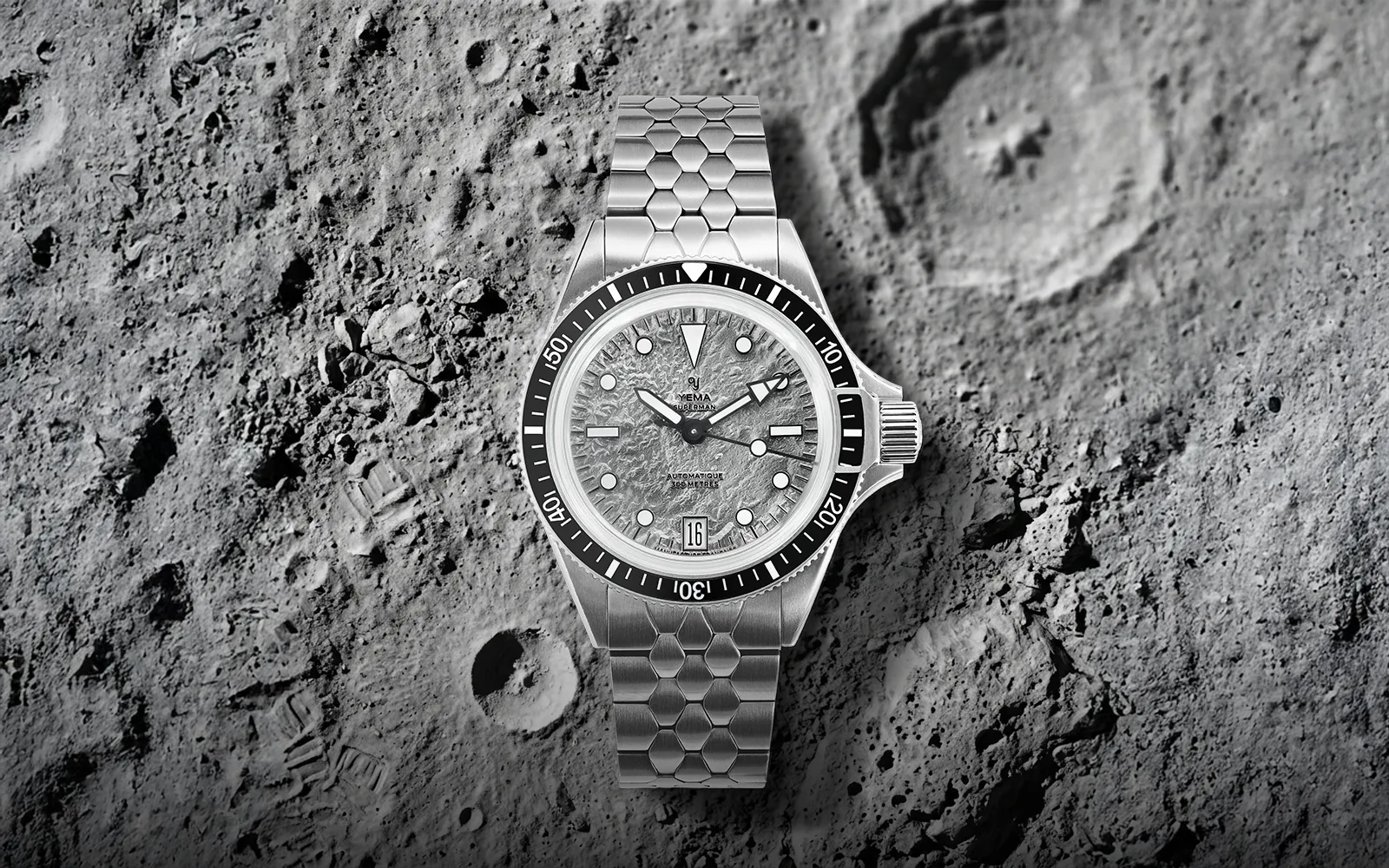
Superman Titanium MoonTide CMM.11 Limited Edition
Sale priceFrom $2,090.00

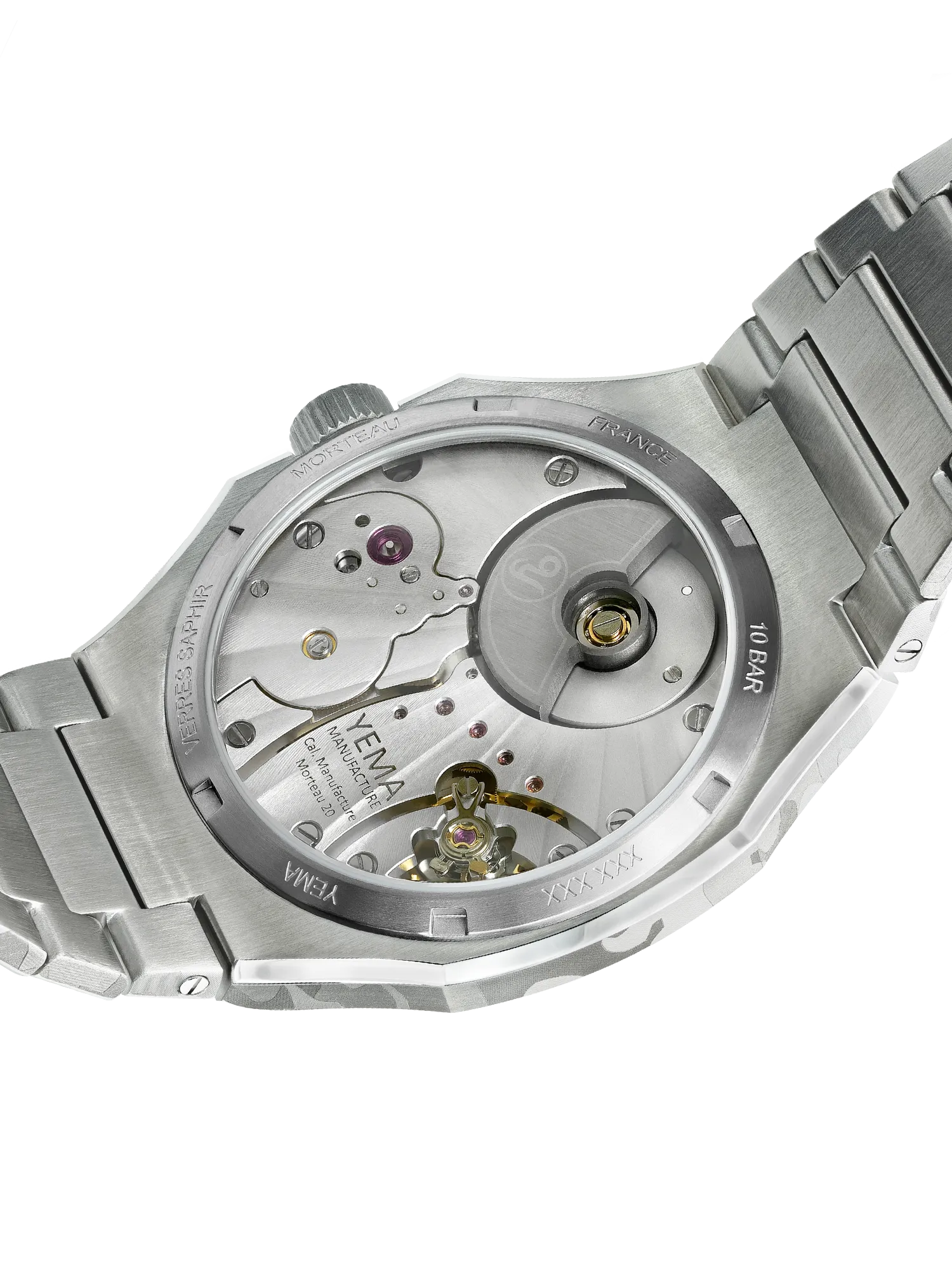
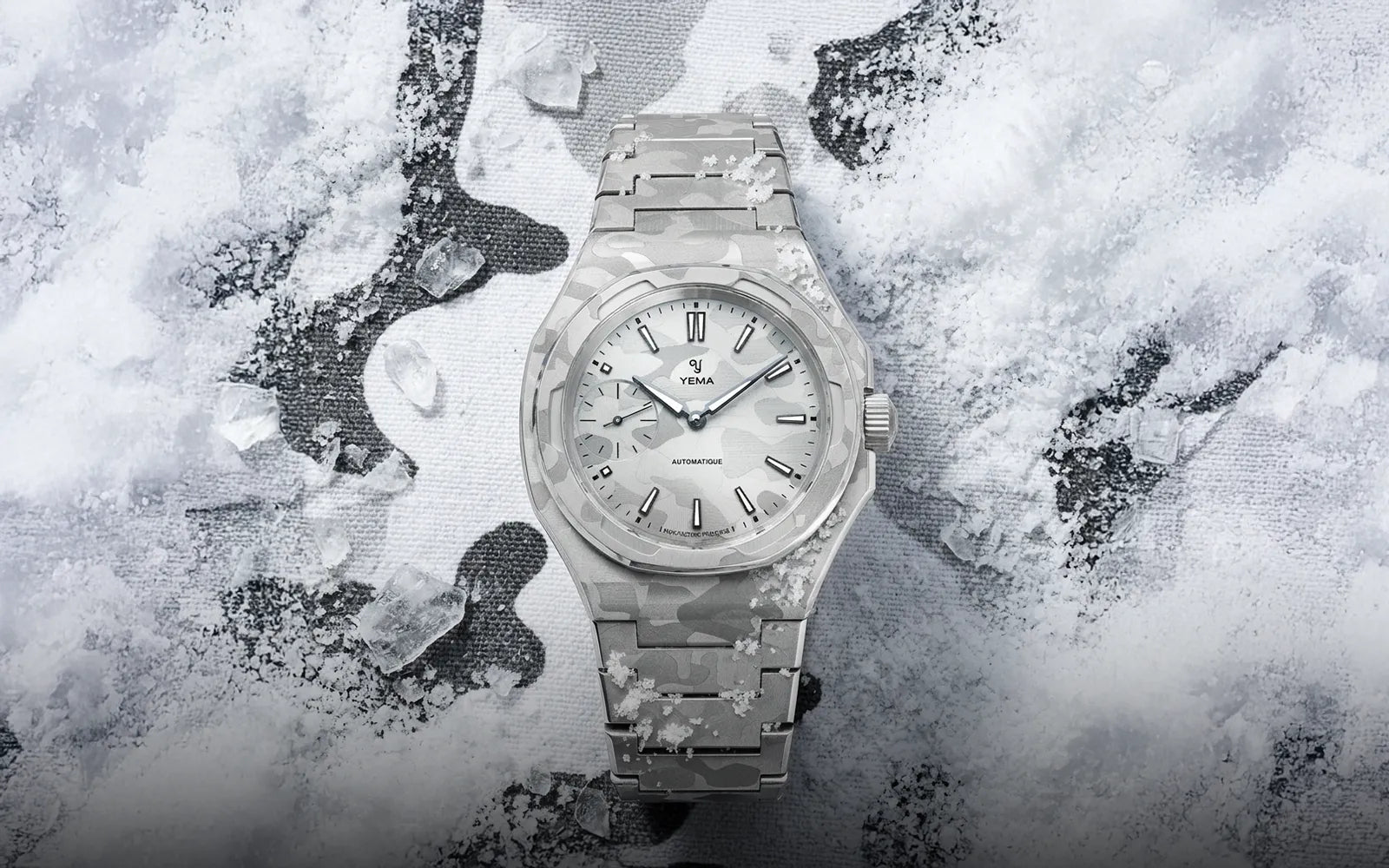
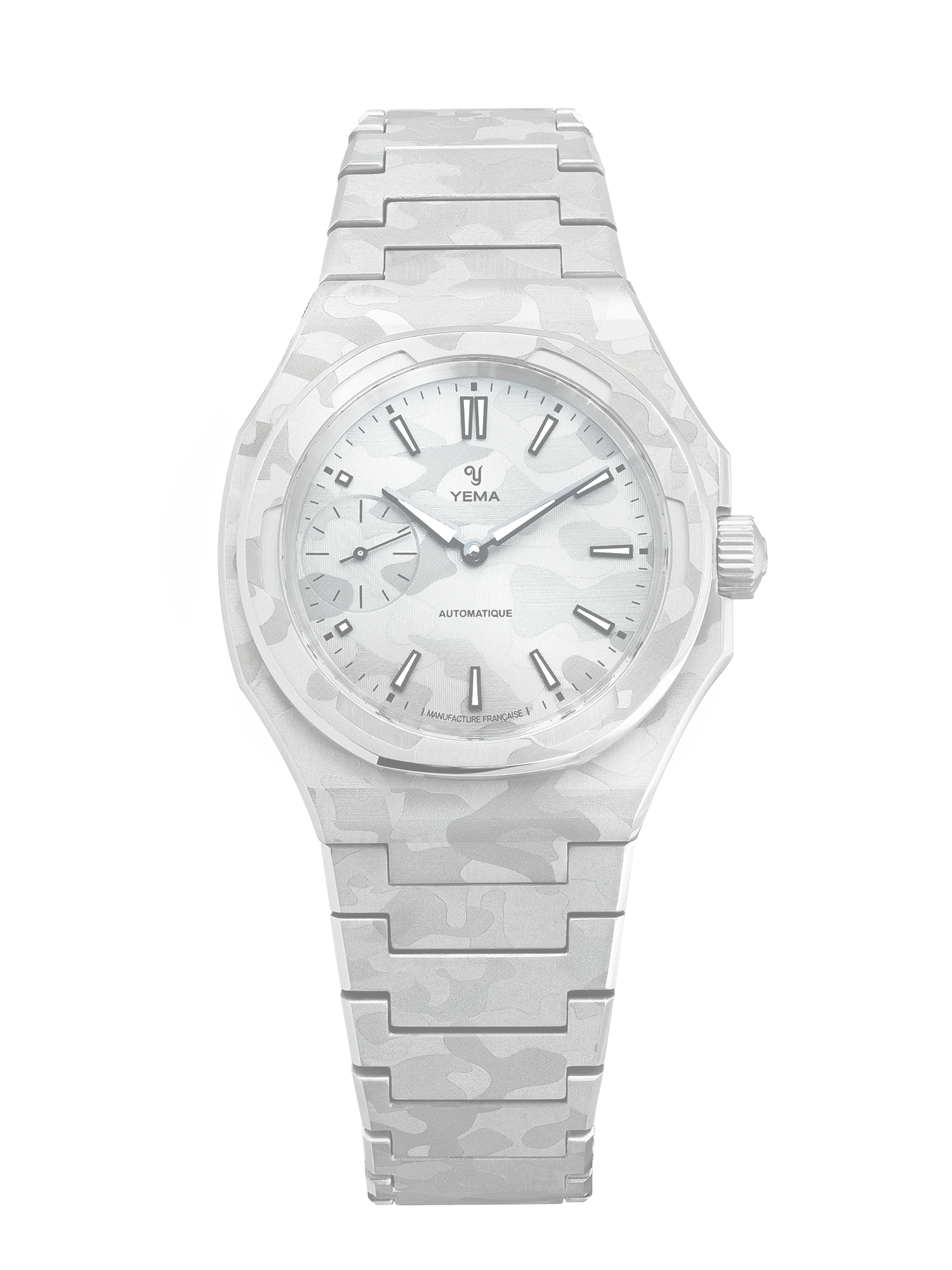
Wristmaster Slim Small Seconds CMM.29 Camo
Sale price$2,490.00
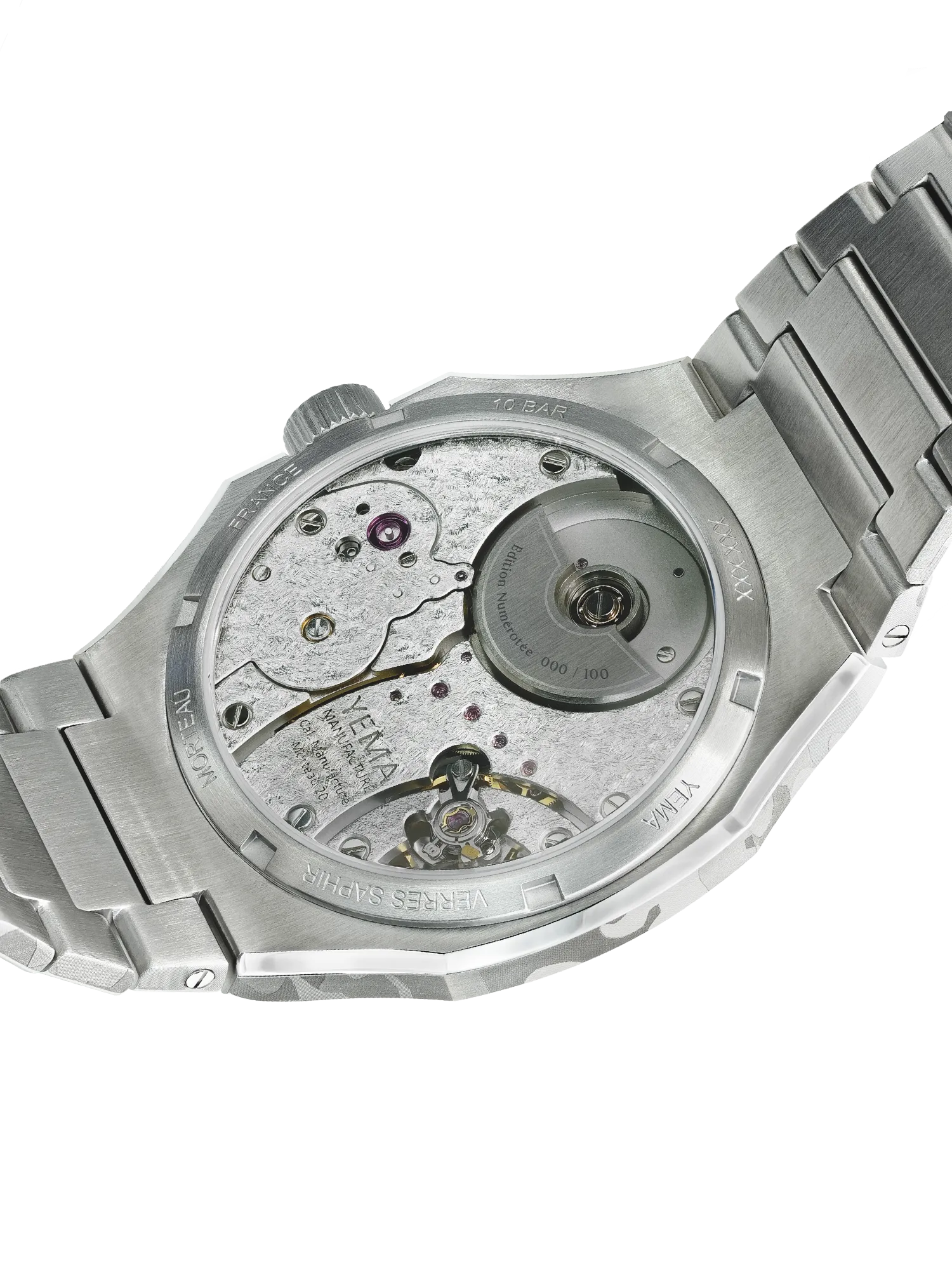
Wristmaster Slim Small Seconds CMM.29 Camo Special Edition
Sale price$2,649.00
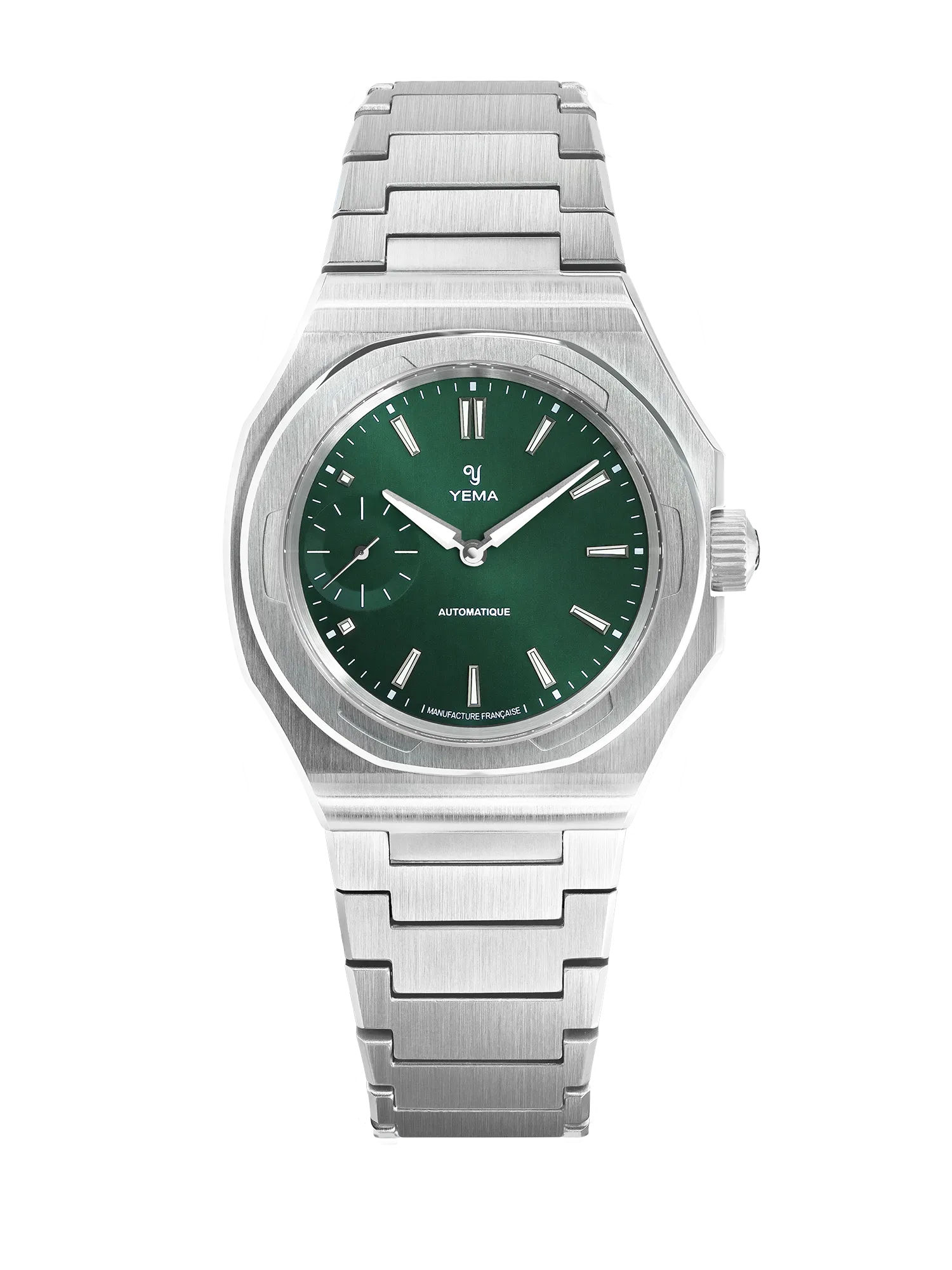
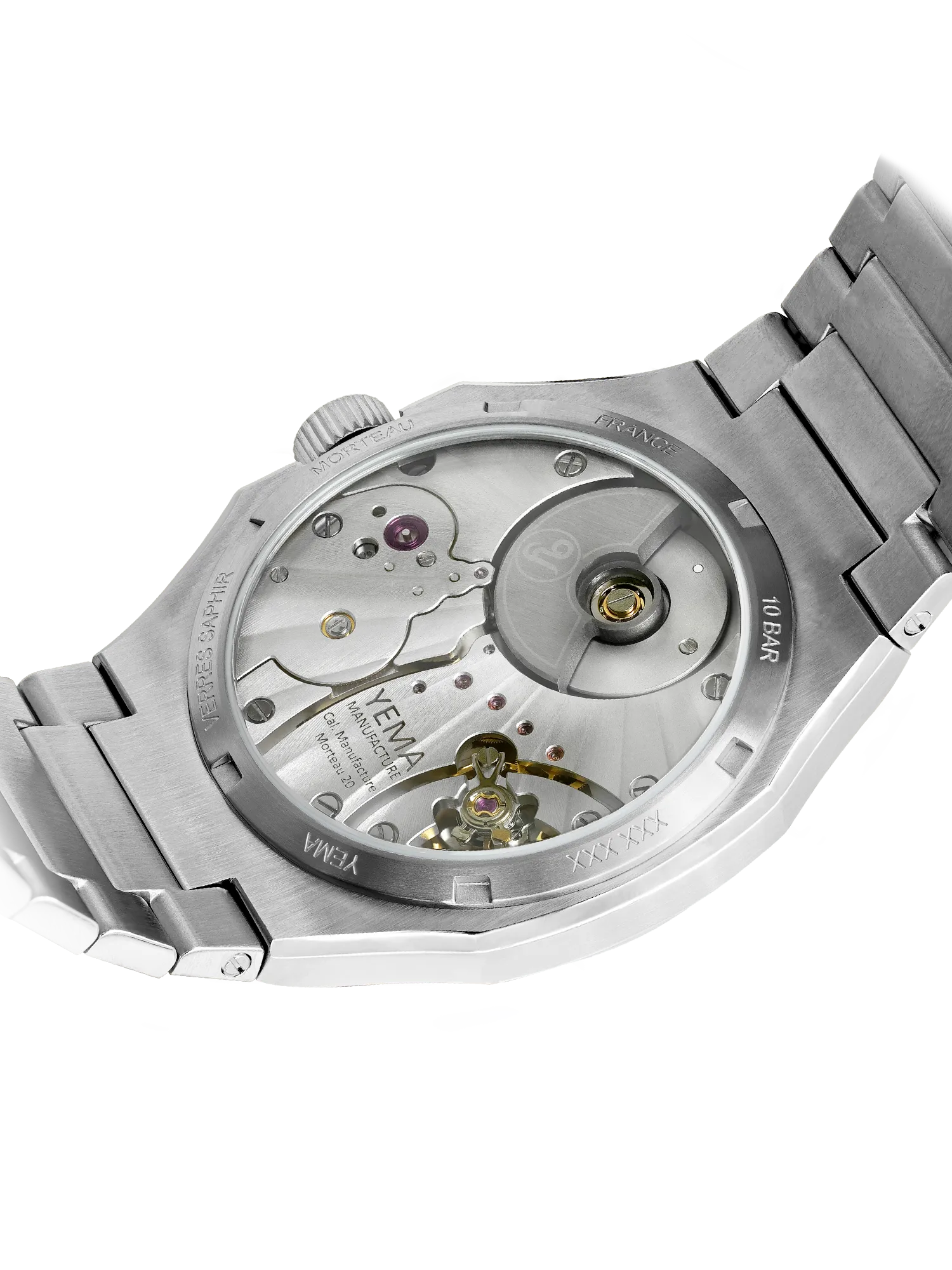
Wristmaster Slim Small Seconds CMM.29
Sale price$2,490.00
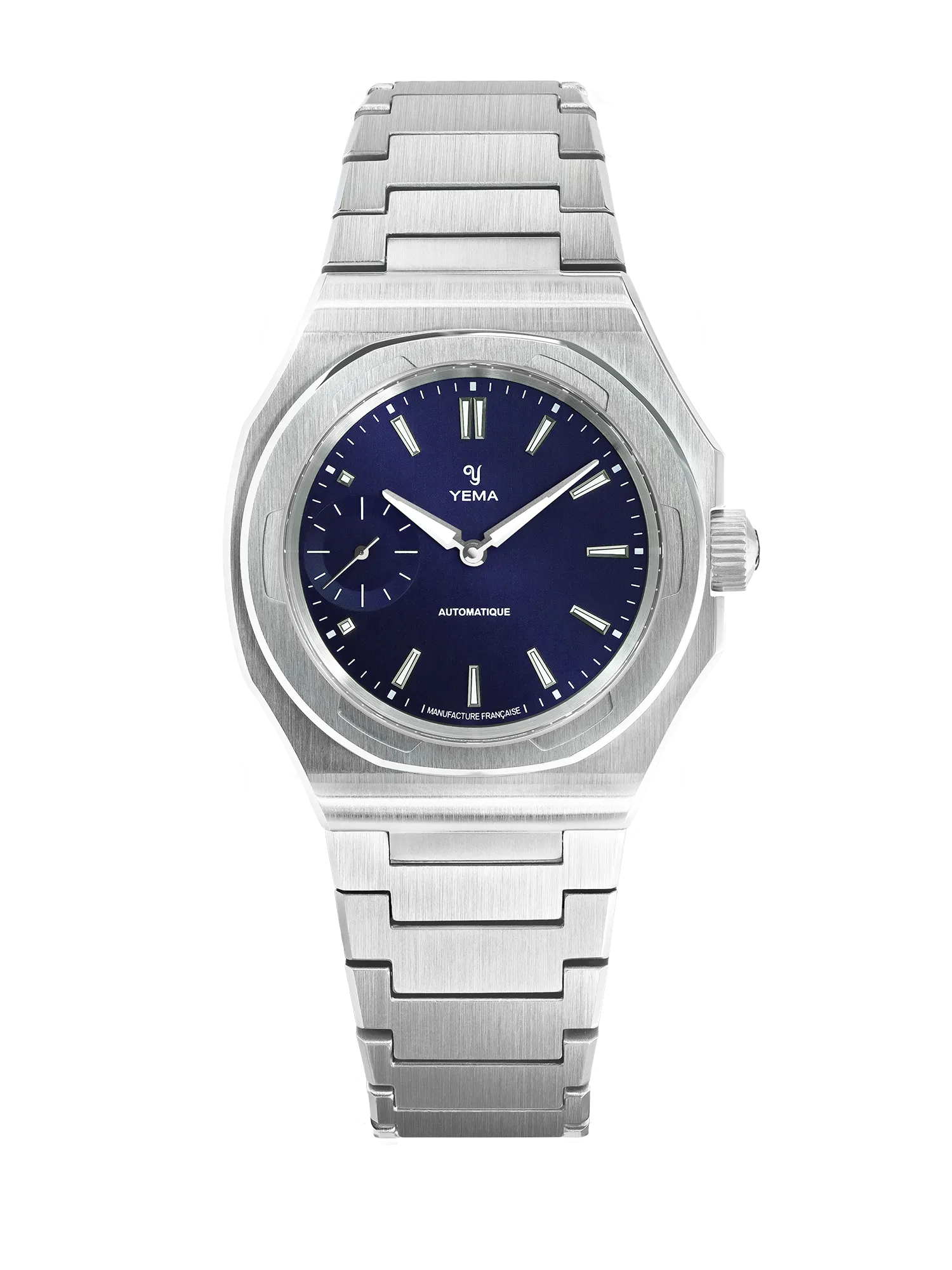
Wristmaster Slim Small Seconds CMM.29
Sale price$2,490.00


Skin Diver Slim Bronze CMM.20 Limited Edition
Sale price$2,490.00


Skin Diver Slim Bronze CMM.20
Sale price$2,490.00
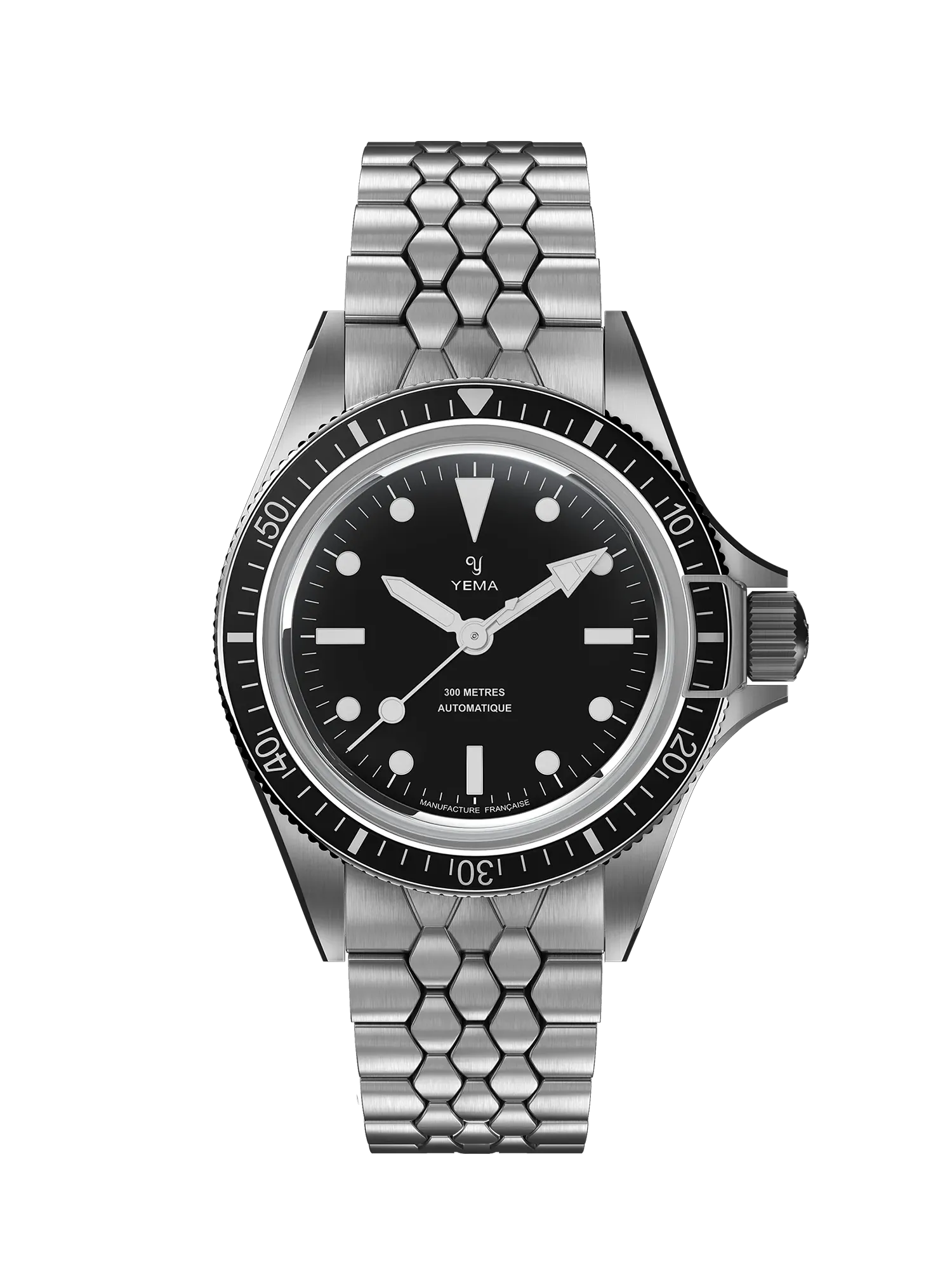
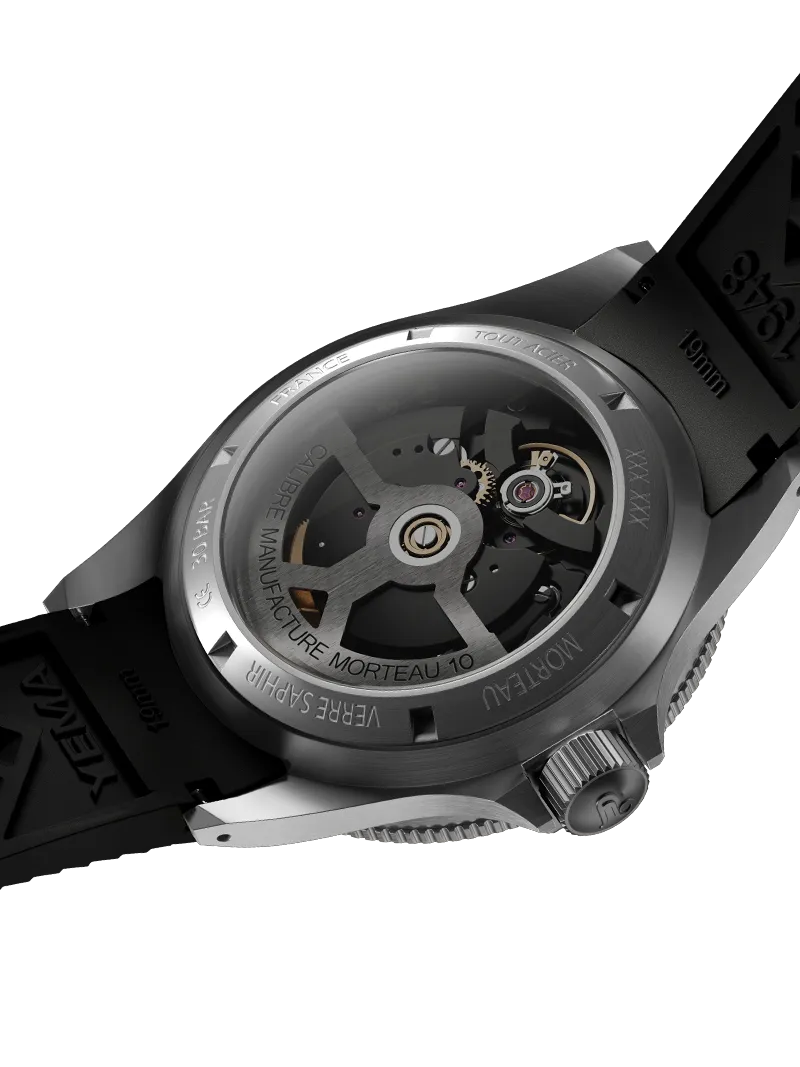
YEMA Superman Steel CMM.10
Sale priceFrom $1,890.00
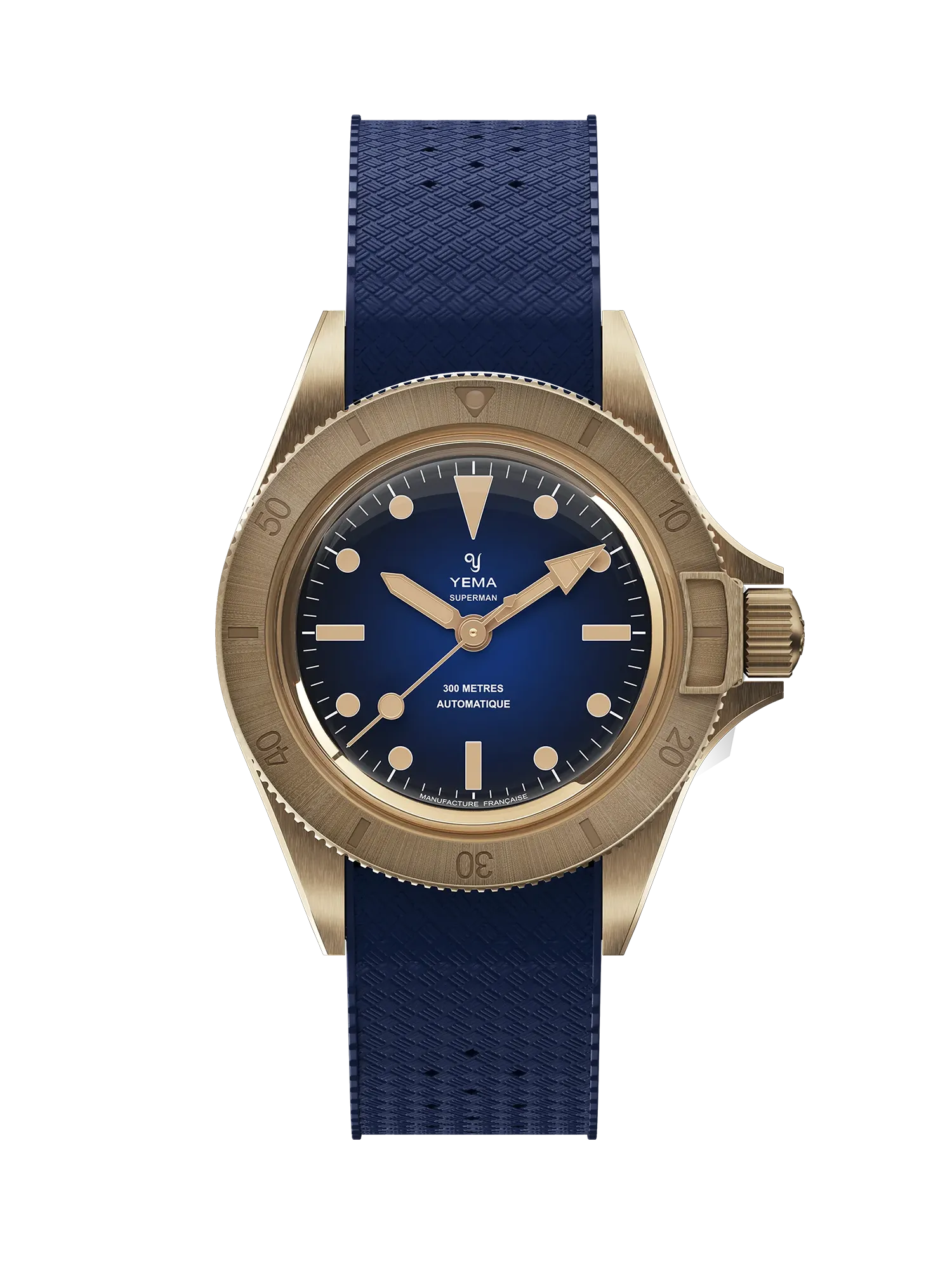
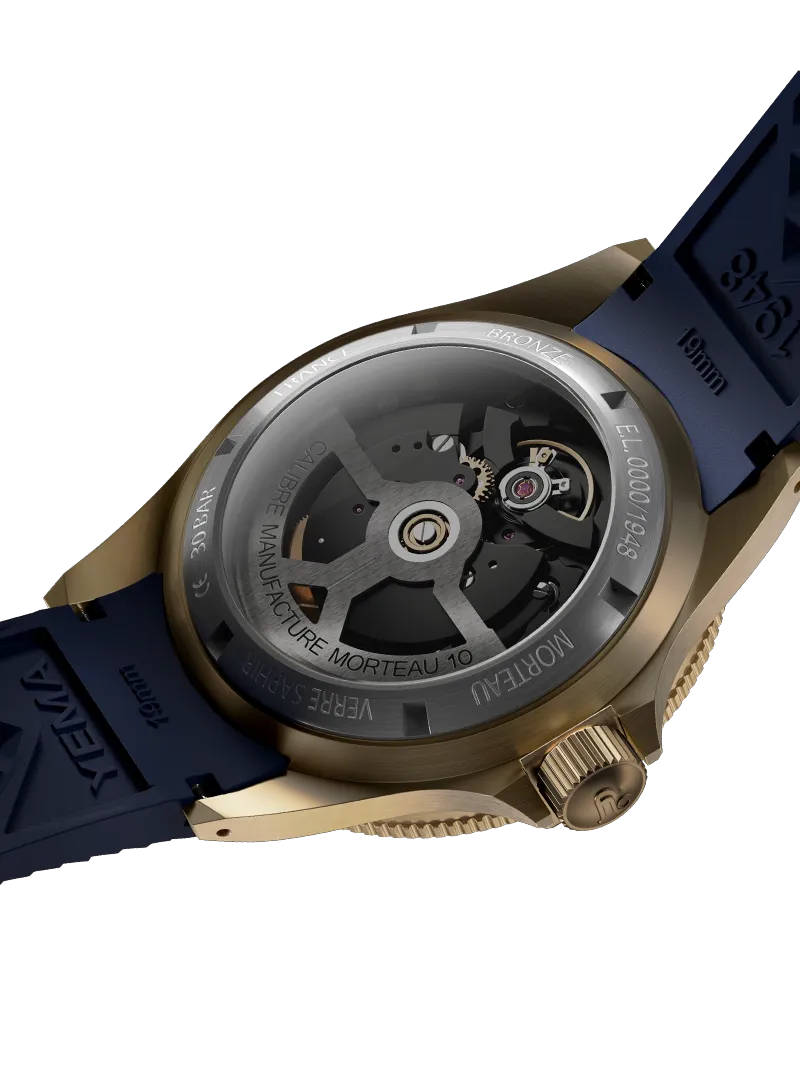
Superman Bronze CMM.10 Blue Limited Edition
Sale price$1,999.00
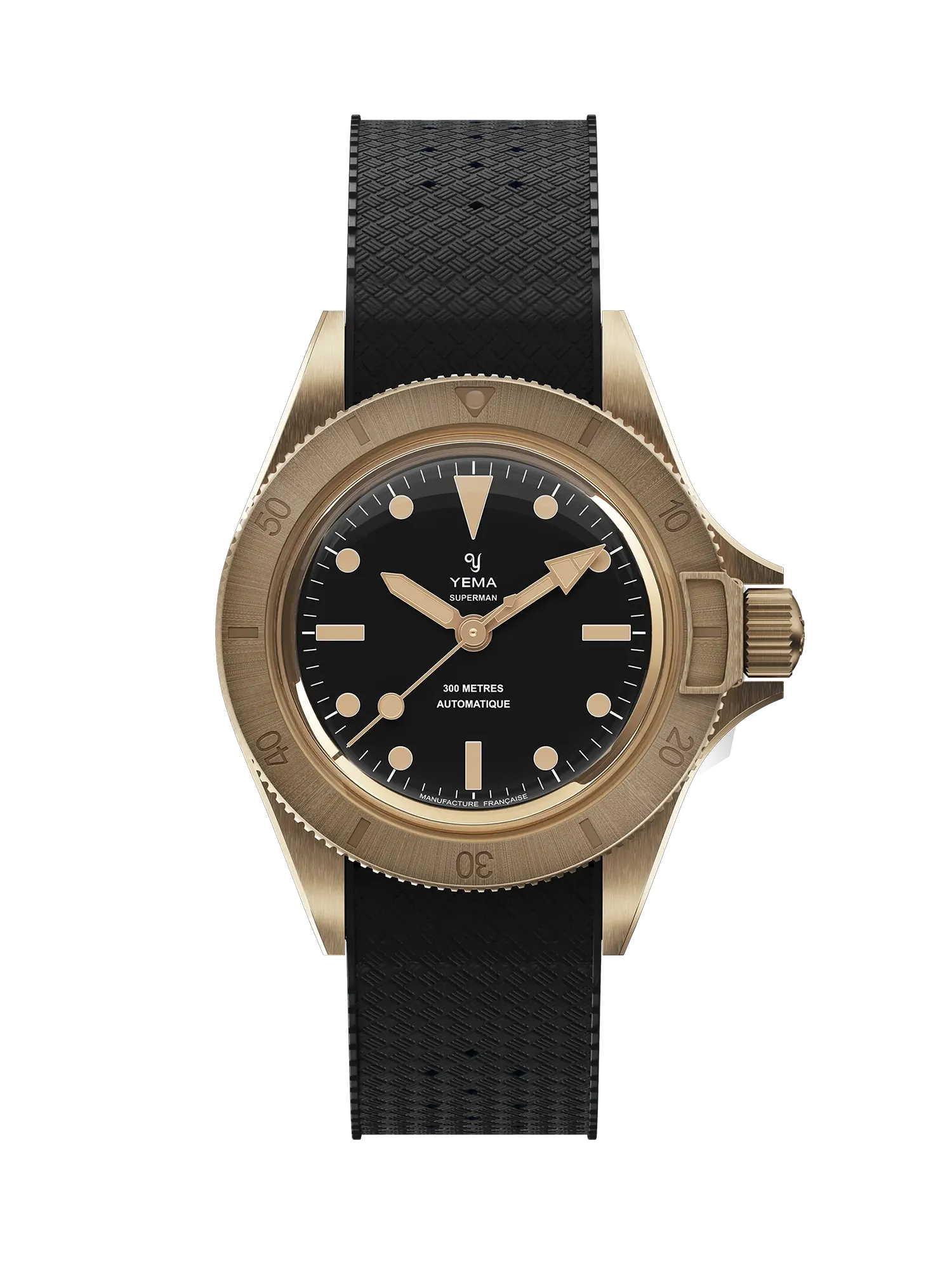
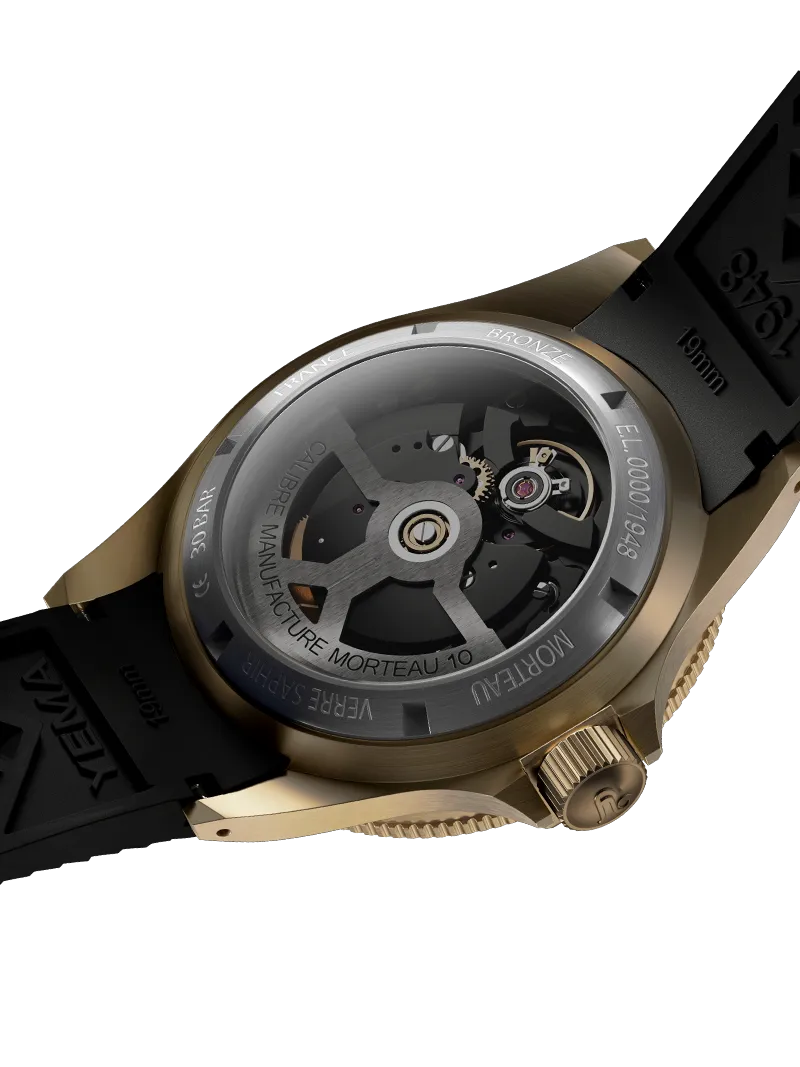
Superman Bronze CMM.10 Black Limited Edition
Sale price$1,999.00
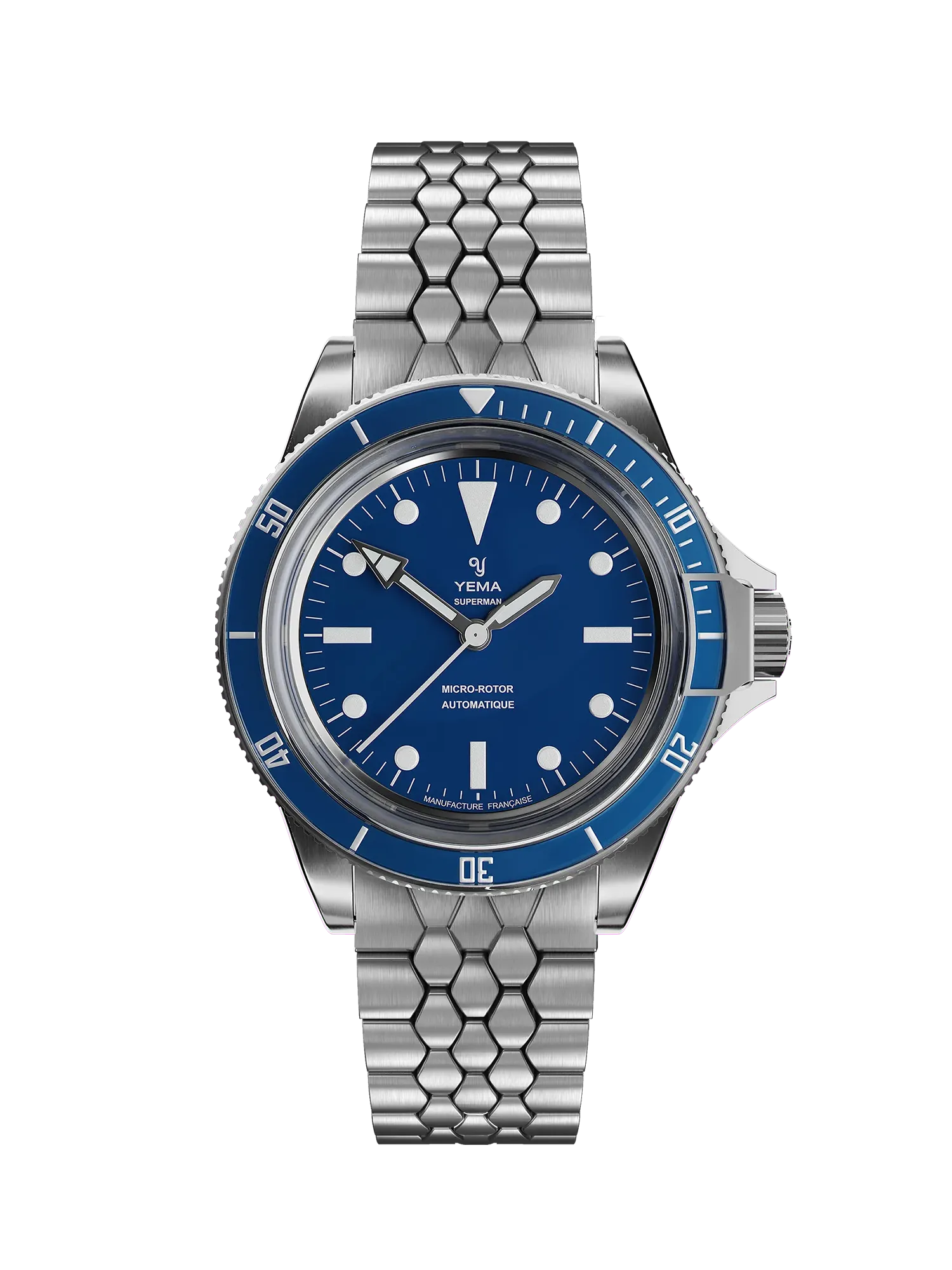
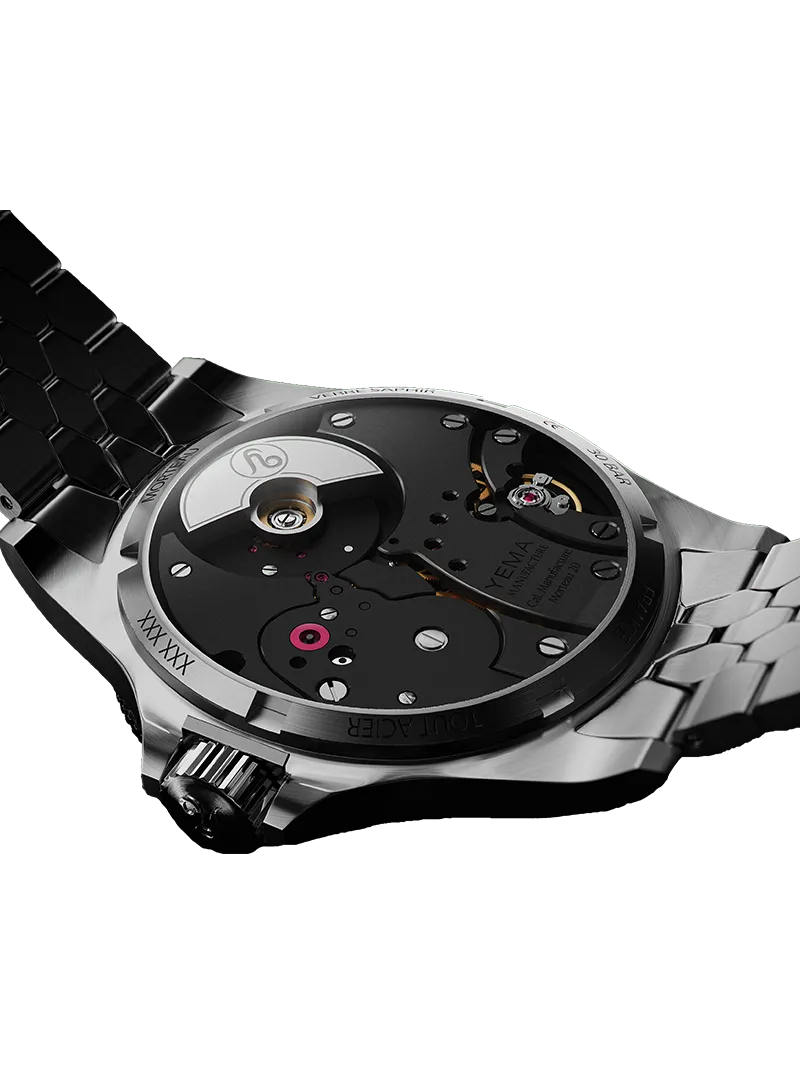
Superman Slim CMM.20
Sale price$2,790.00
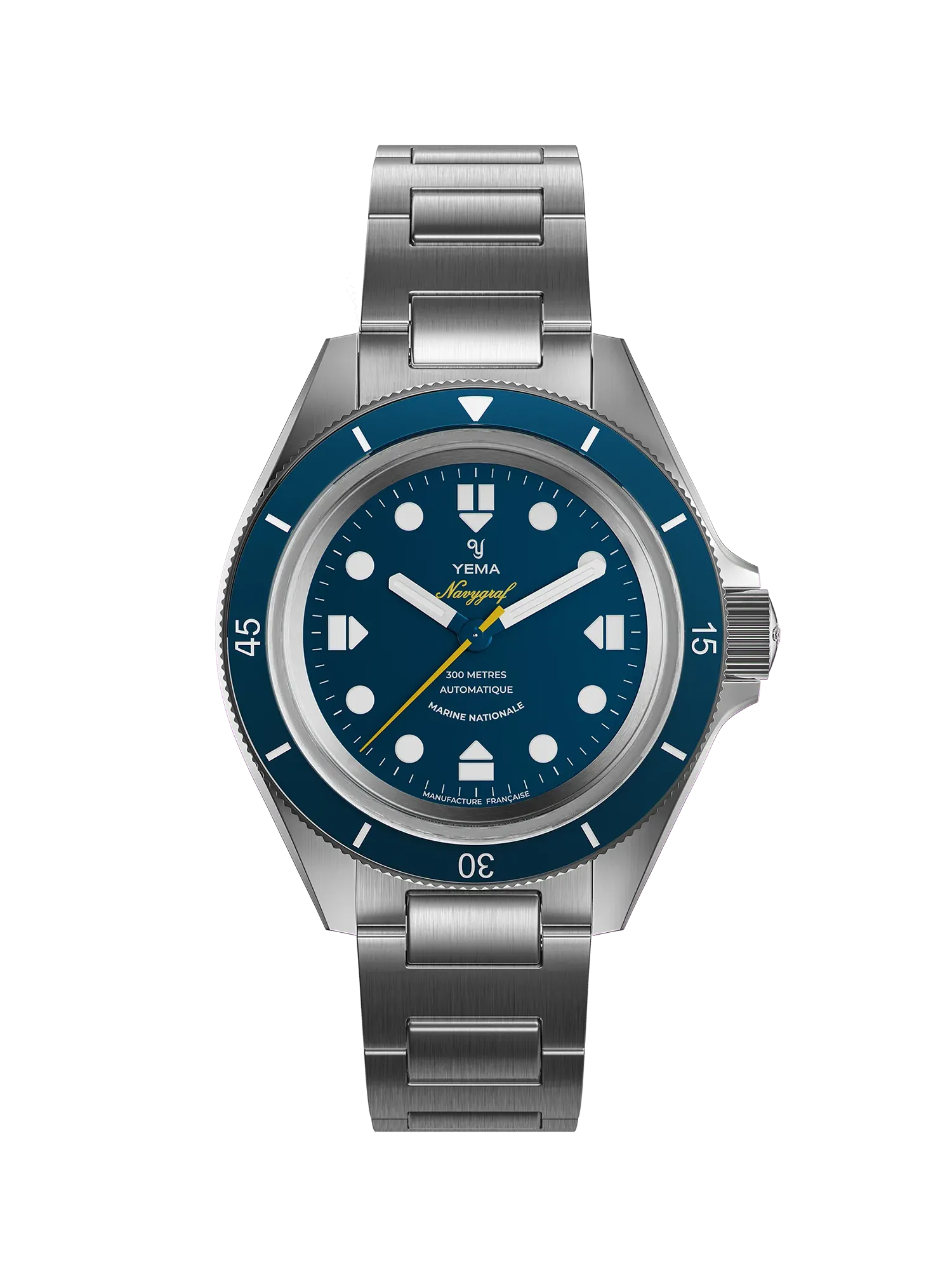
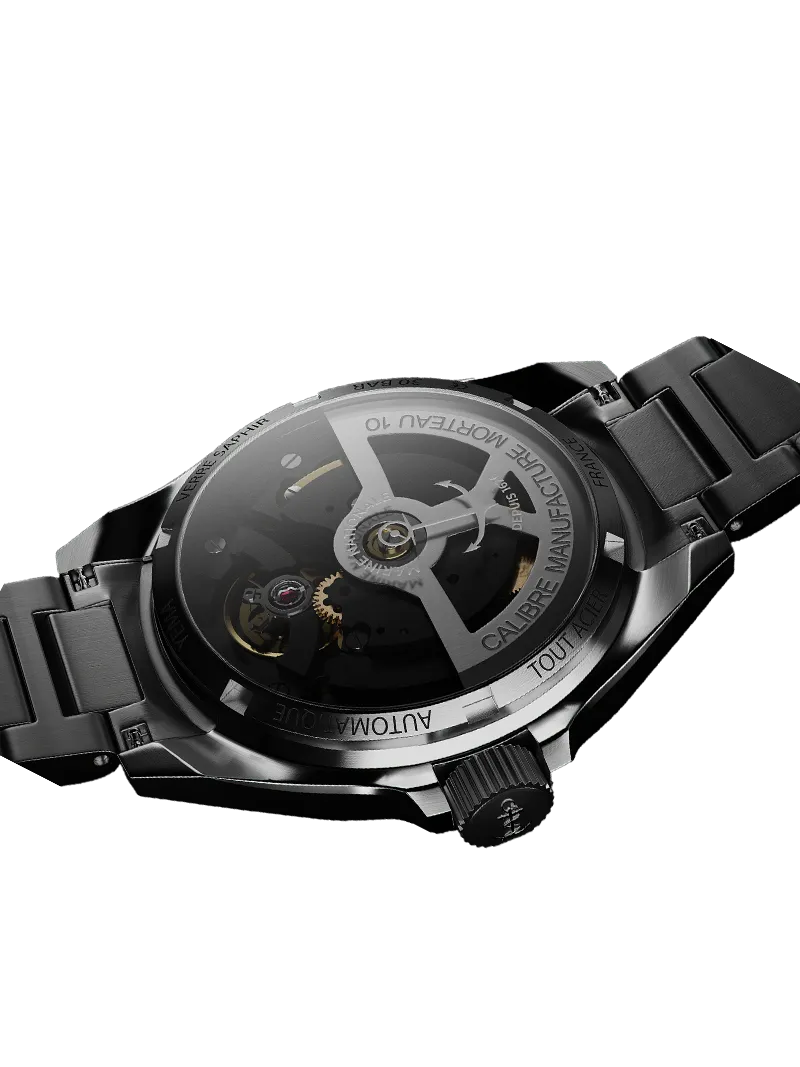
Navygraf Marine Nationale CMM.10
Sale price$1,899.00
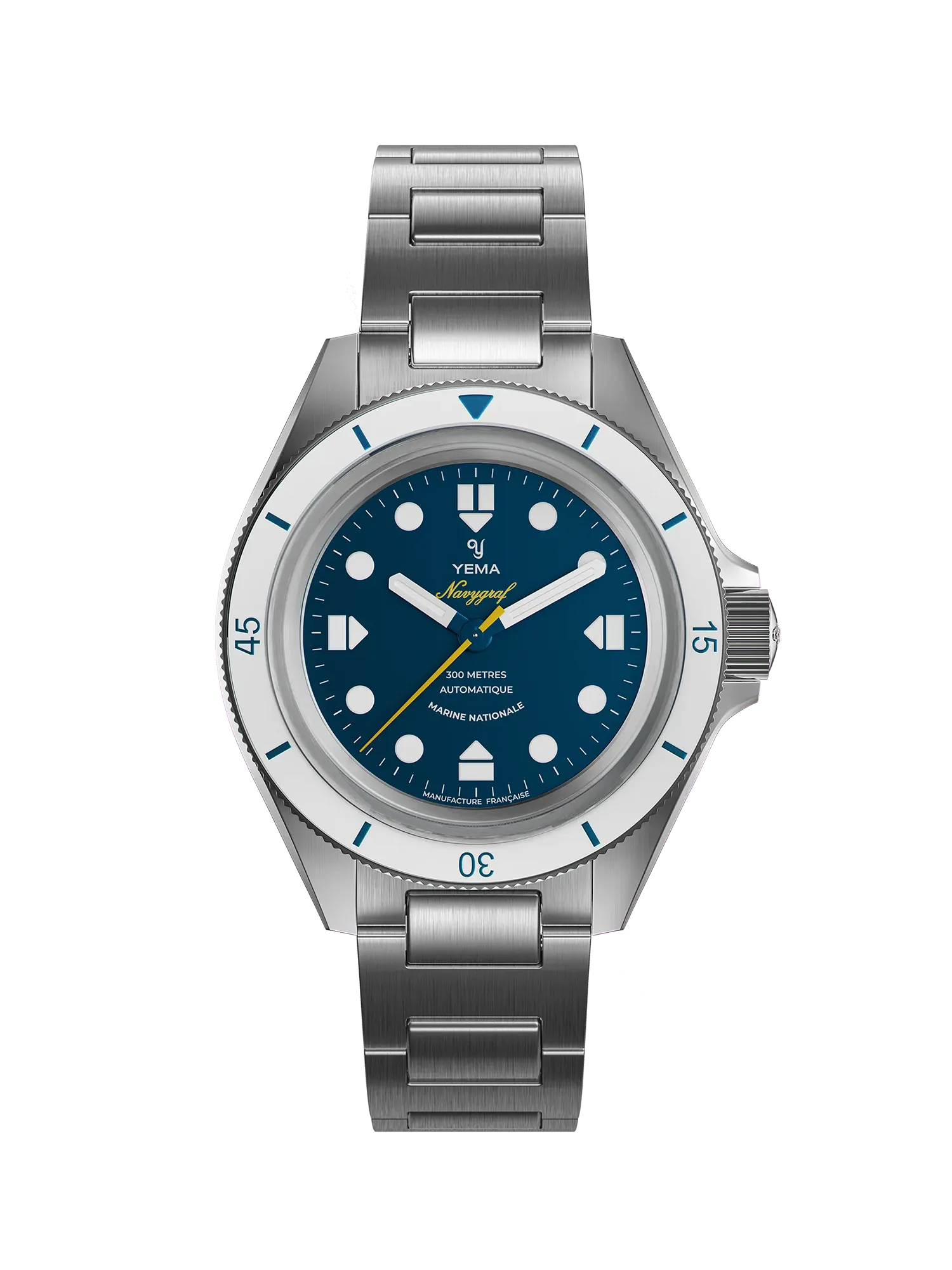
Navygraf Marine Nationale CMM.10
Sale price$1,899.00
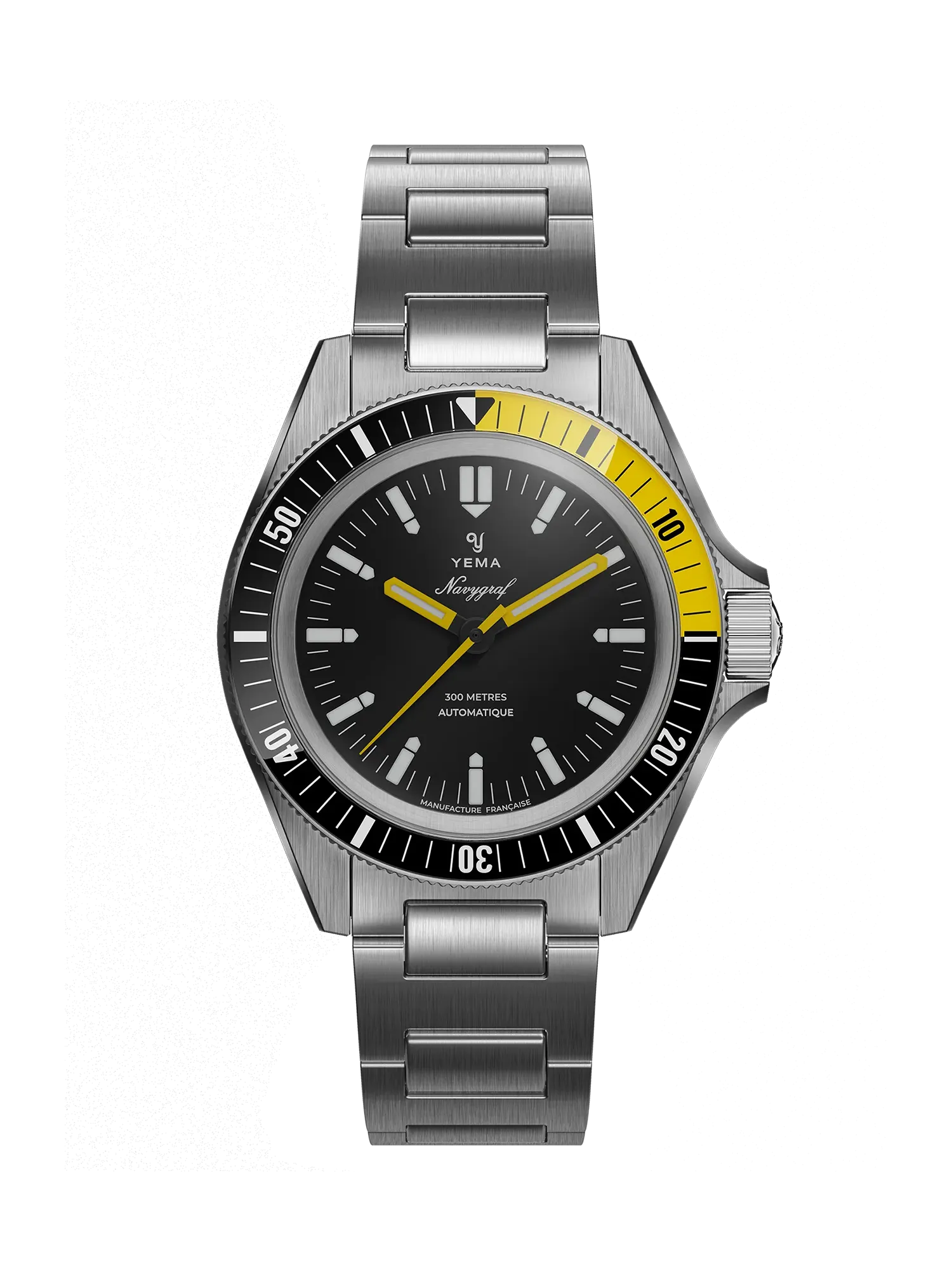
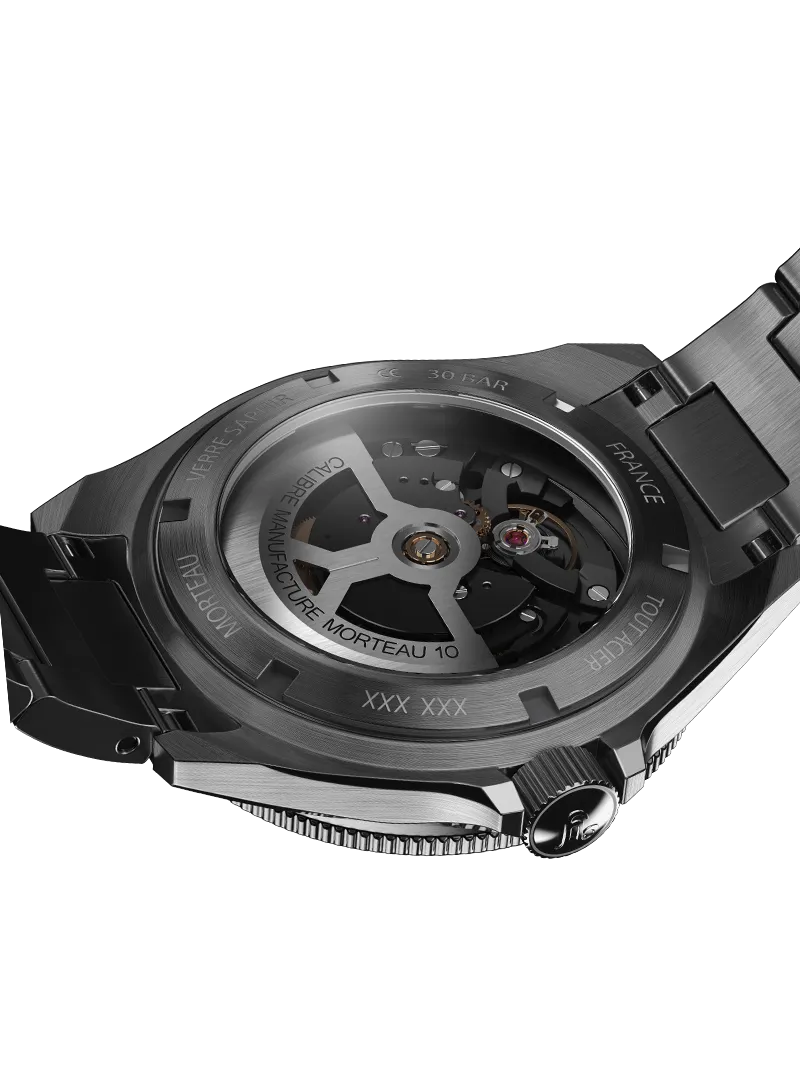
Navygraf CMM.10
Sale price$1,899.00
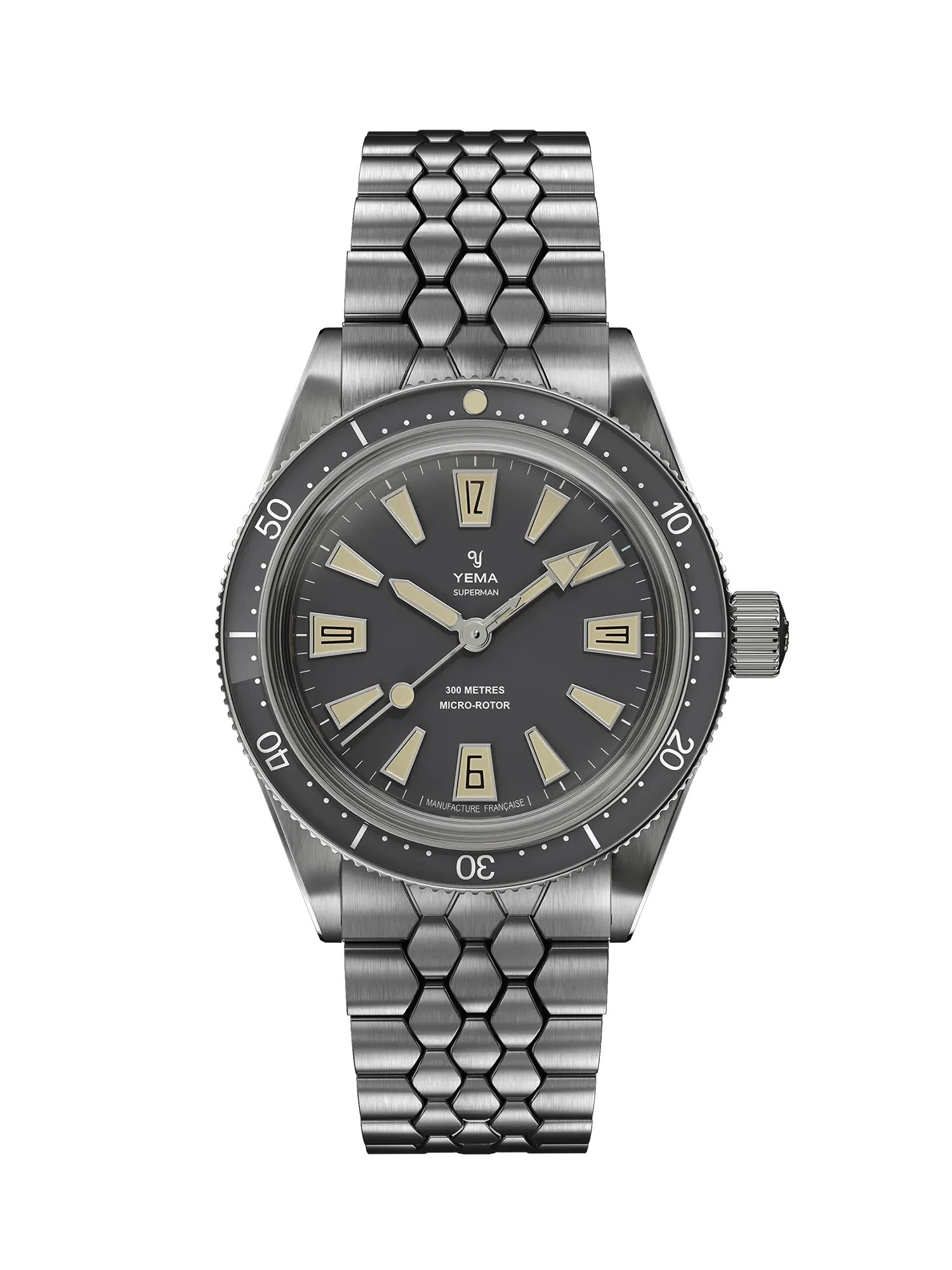
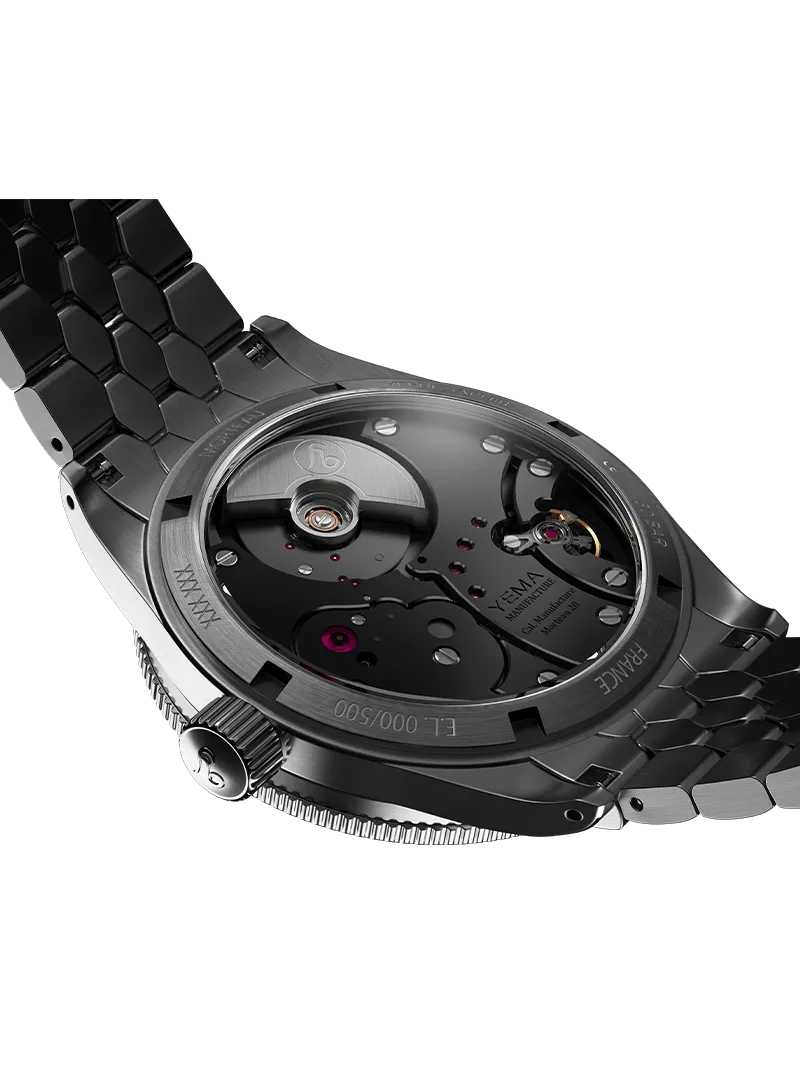
Skin Diver Slim CMM.20 Limited Edition
Sale price$2,290.00
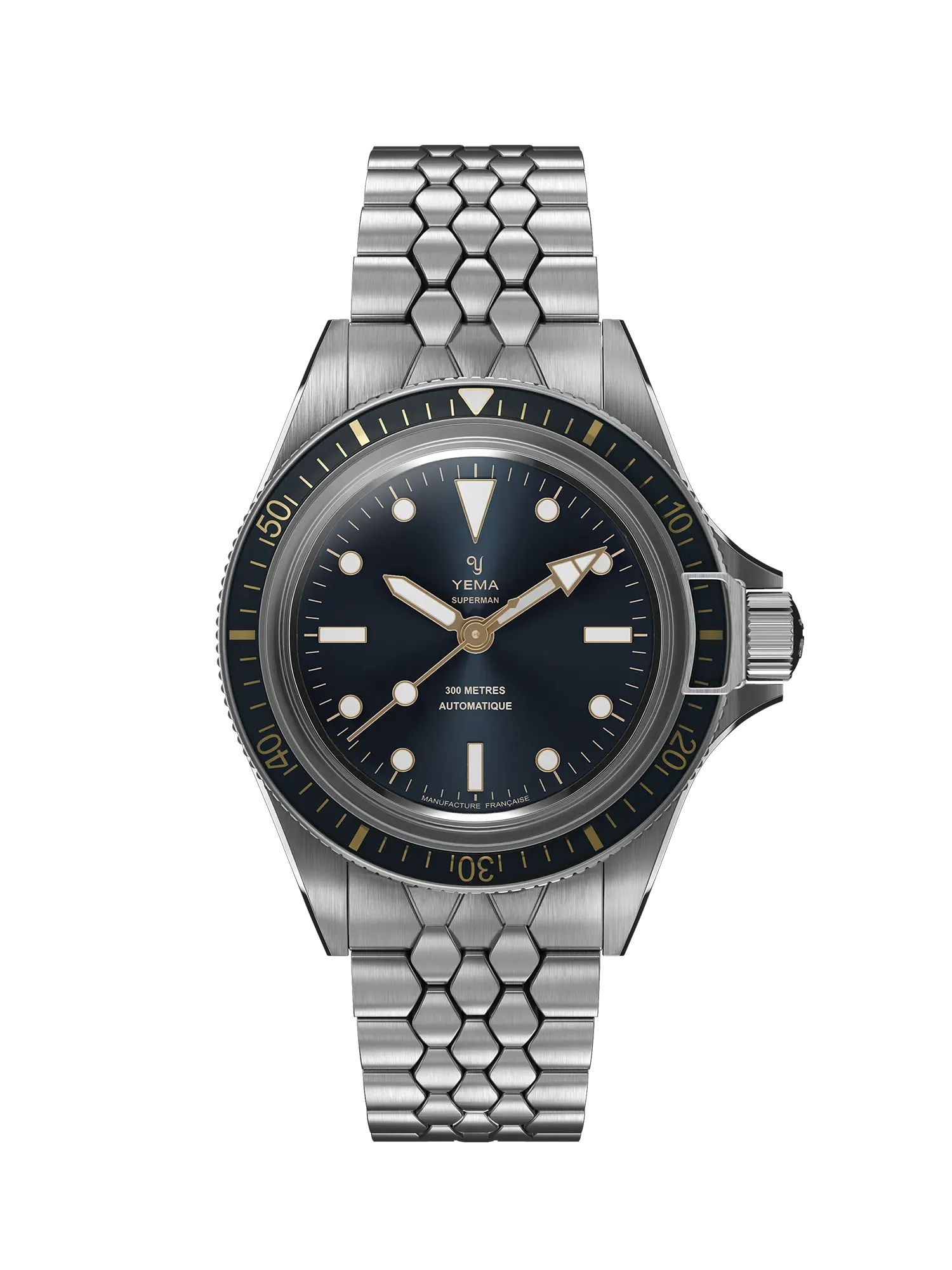
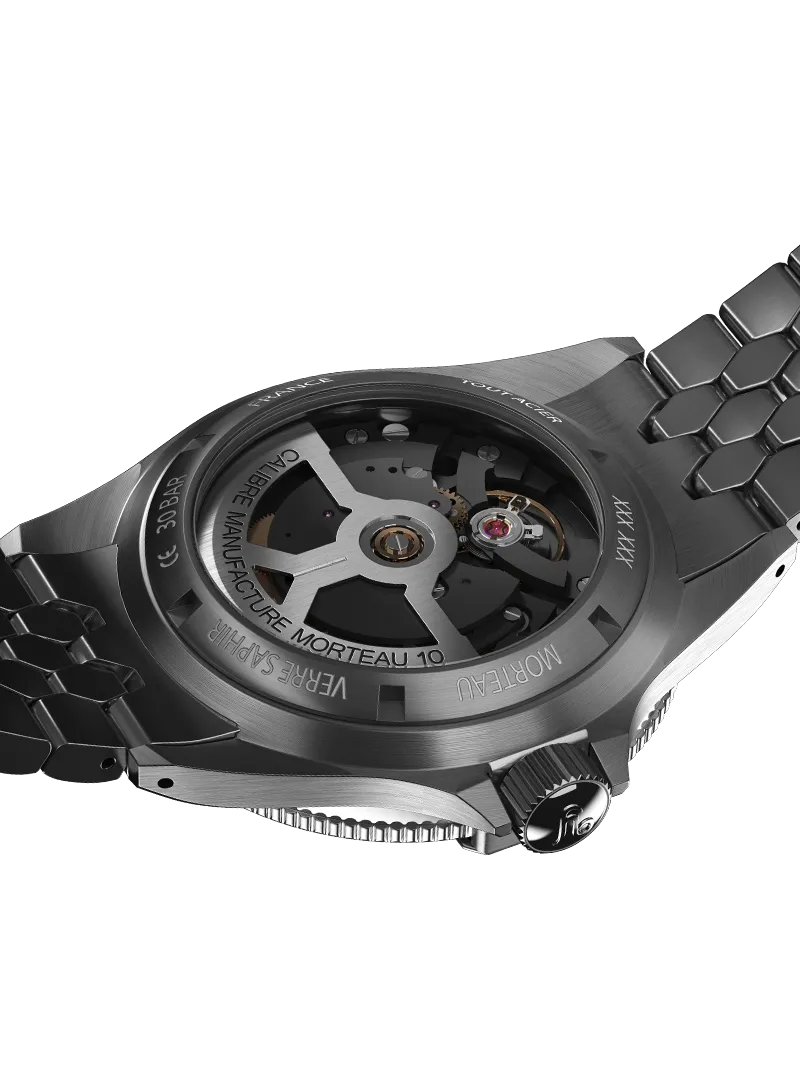
Superman Gilt CMM.10
Sale price$1,999.00
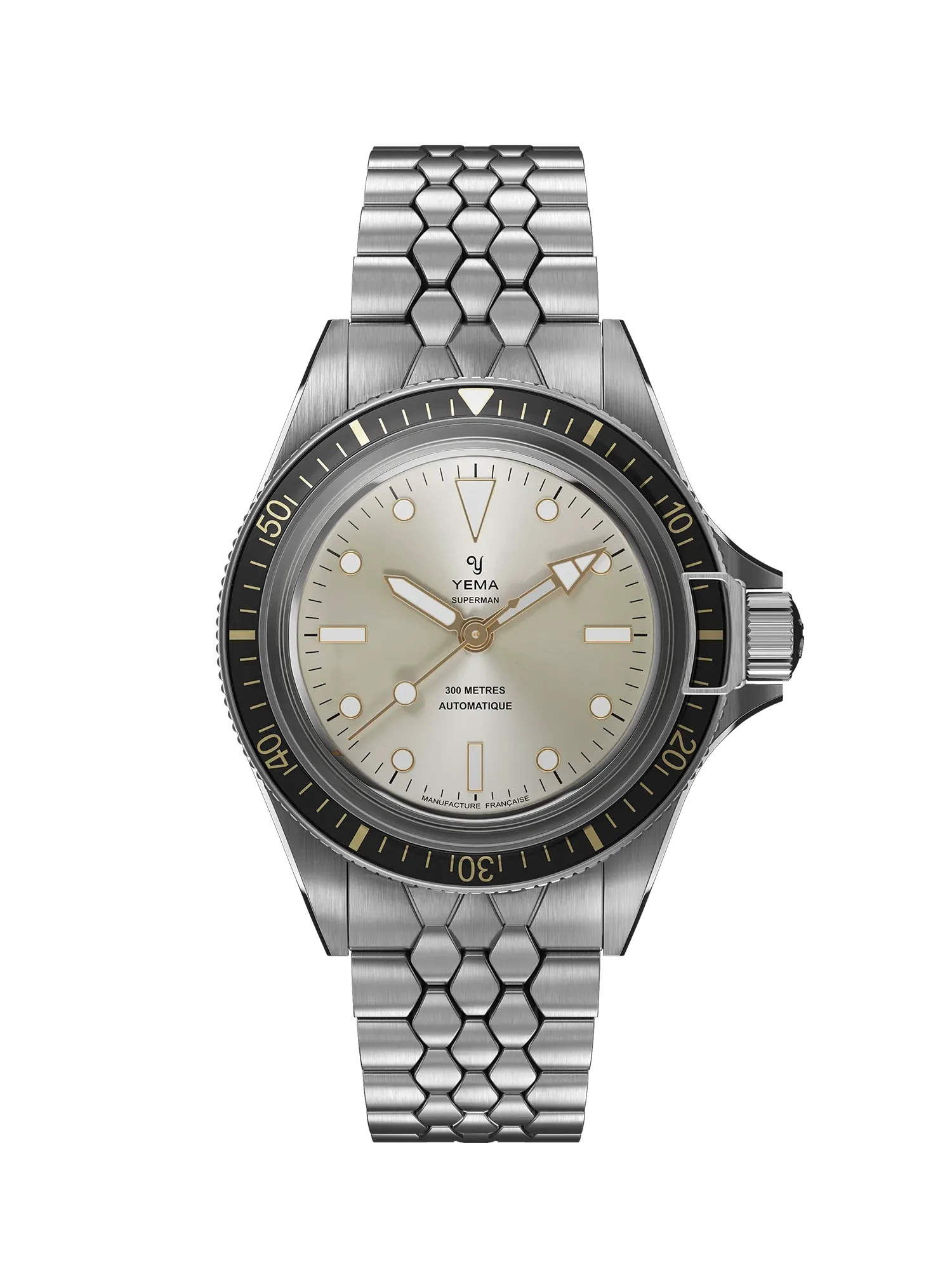
Superman Gilt CMM.10
Sale price$1,999.00
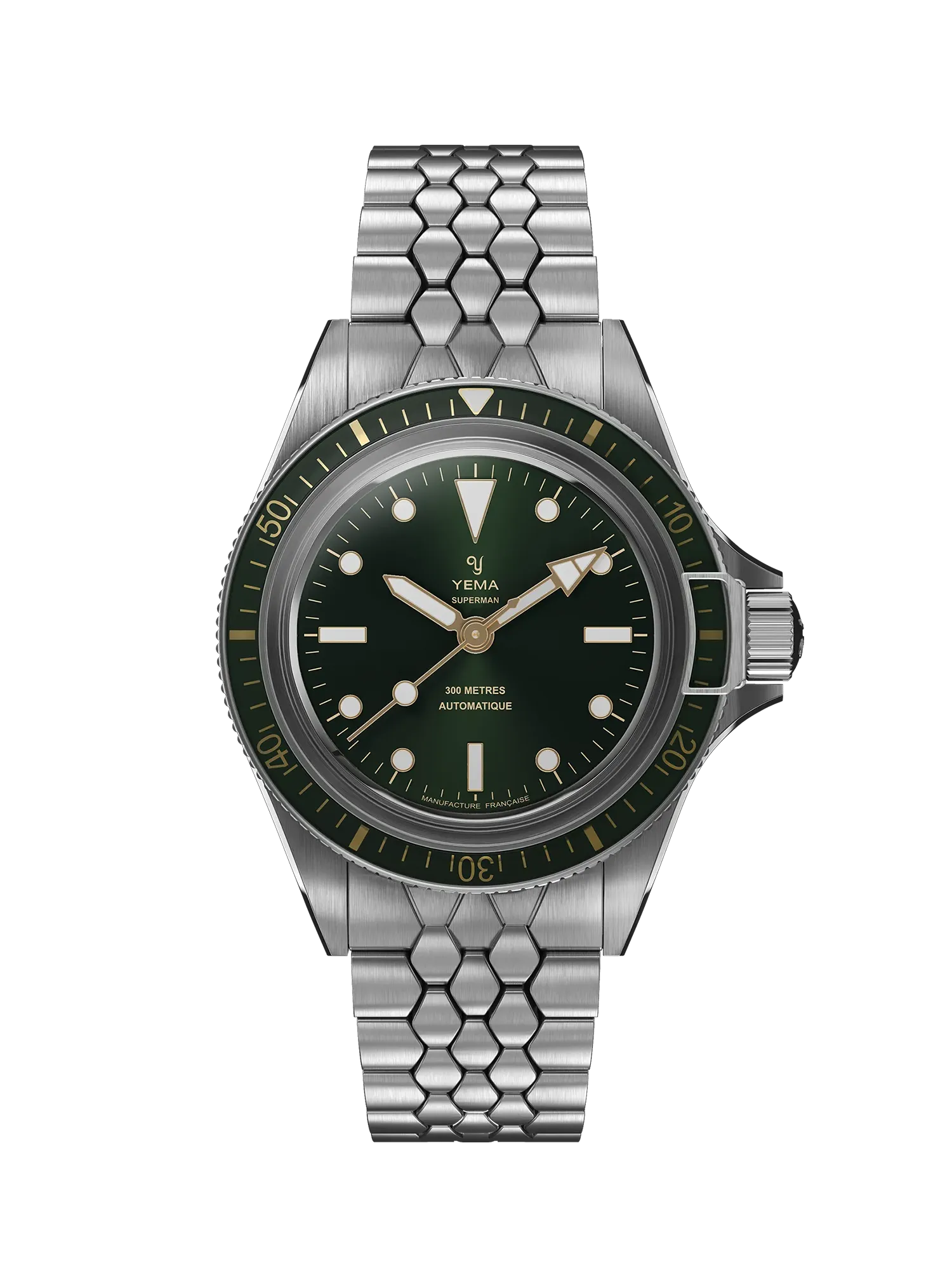
Superman Gilt CMM.10
Sale price$1,999.00
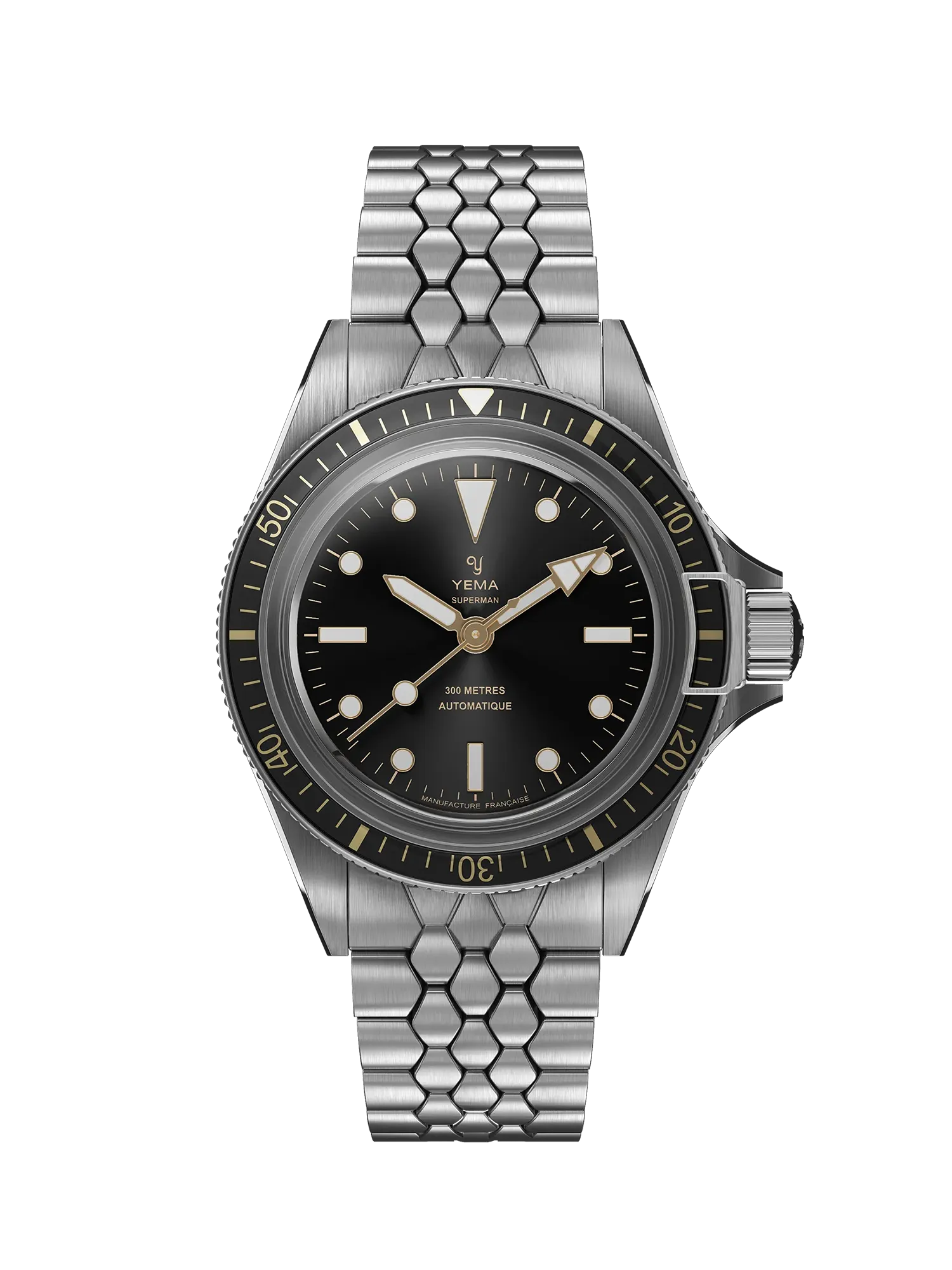
Superman Gilt CMM.10
Sale price$1,999.00
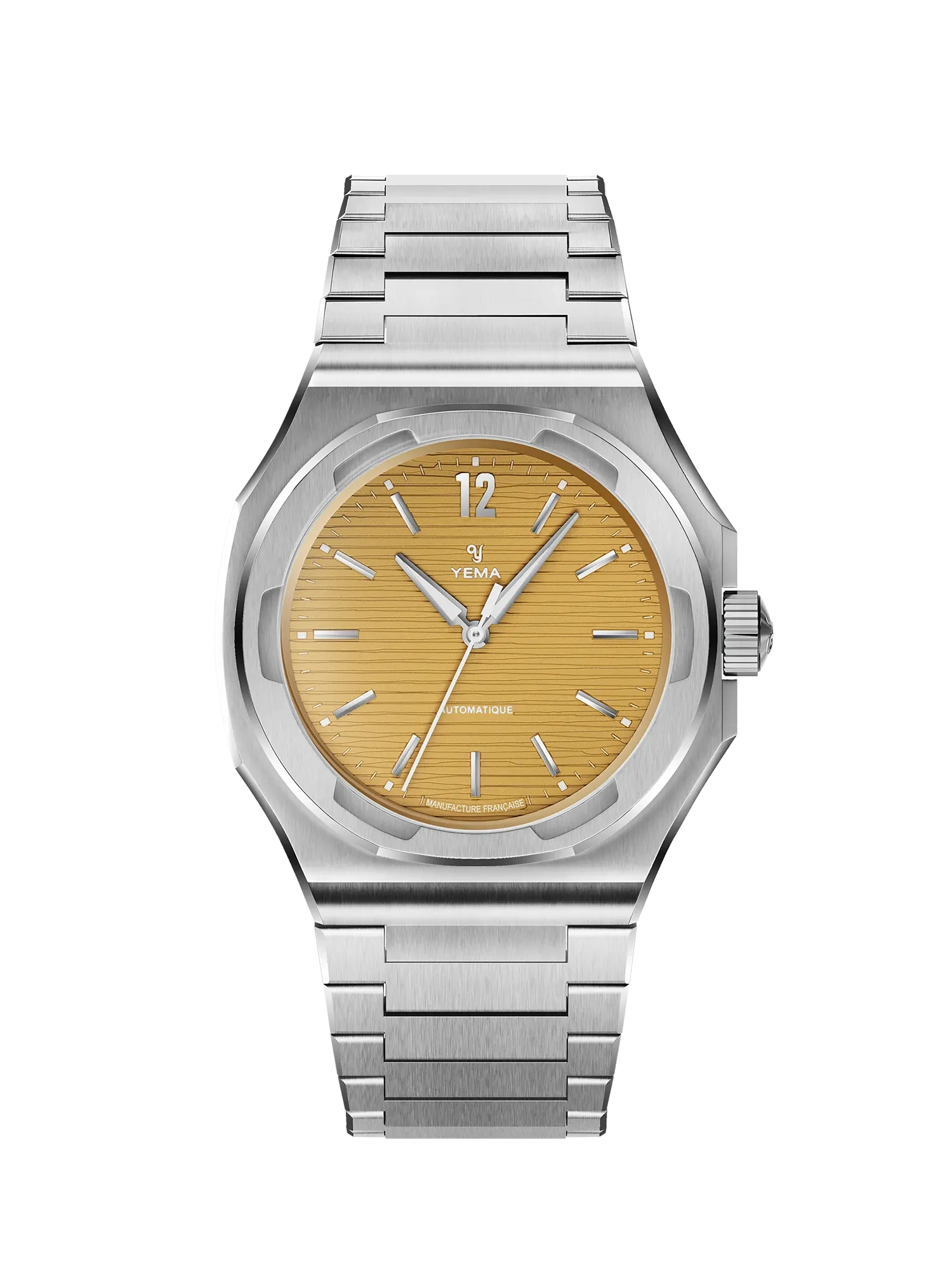
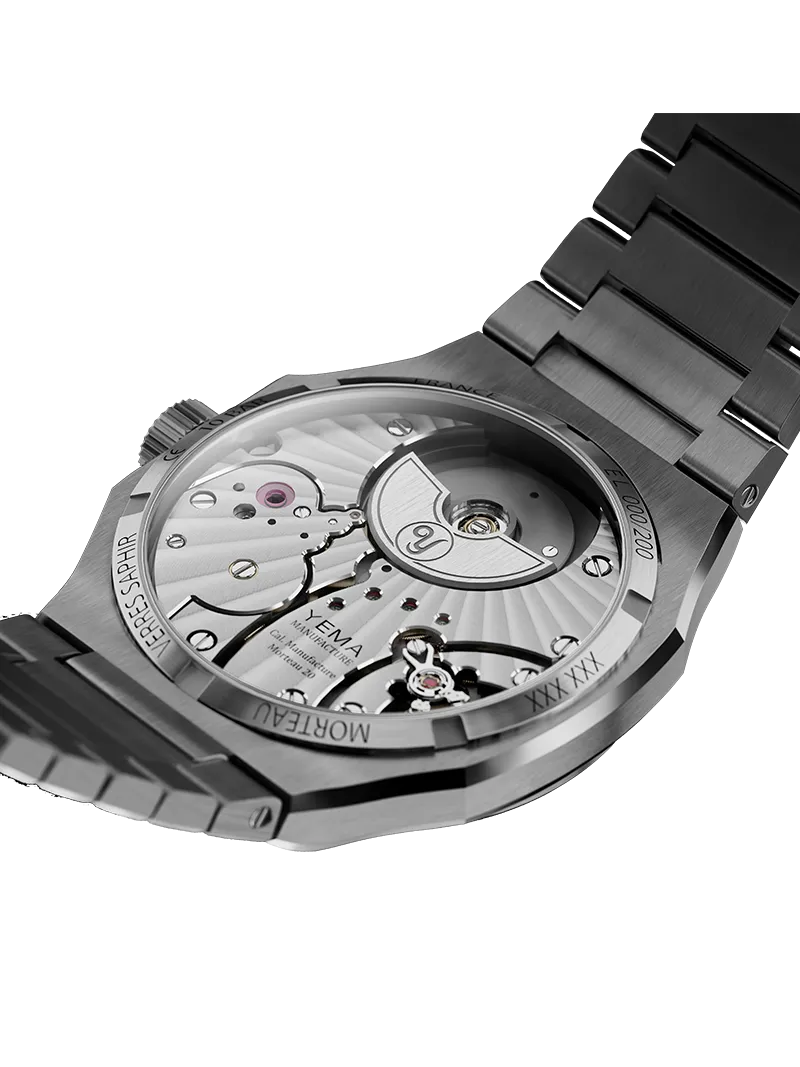
Wristmaster Slim CMM.20
Sale price$2,490.00
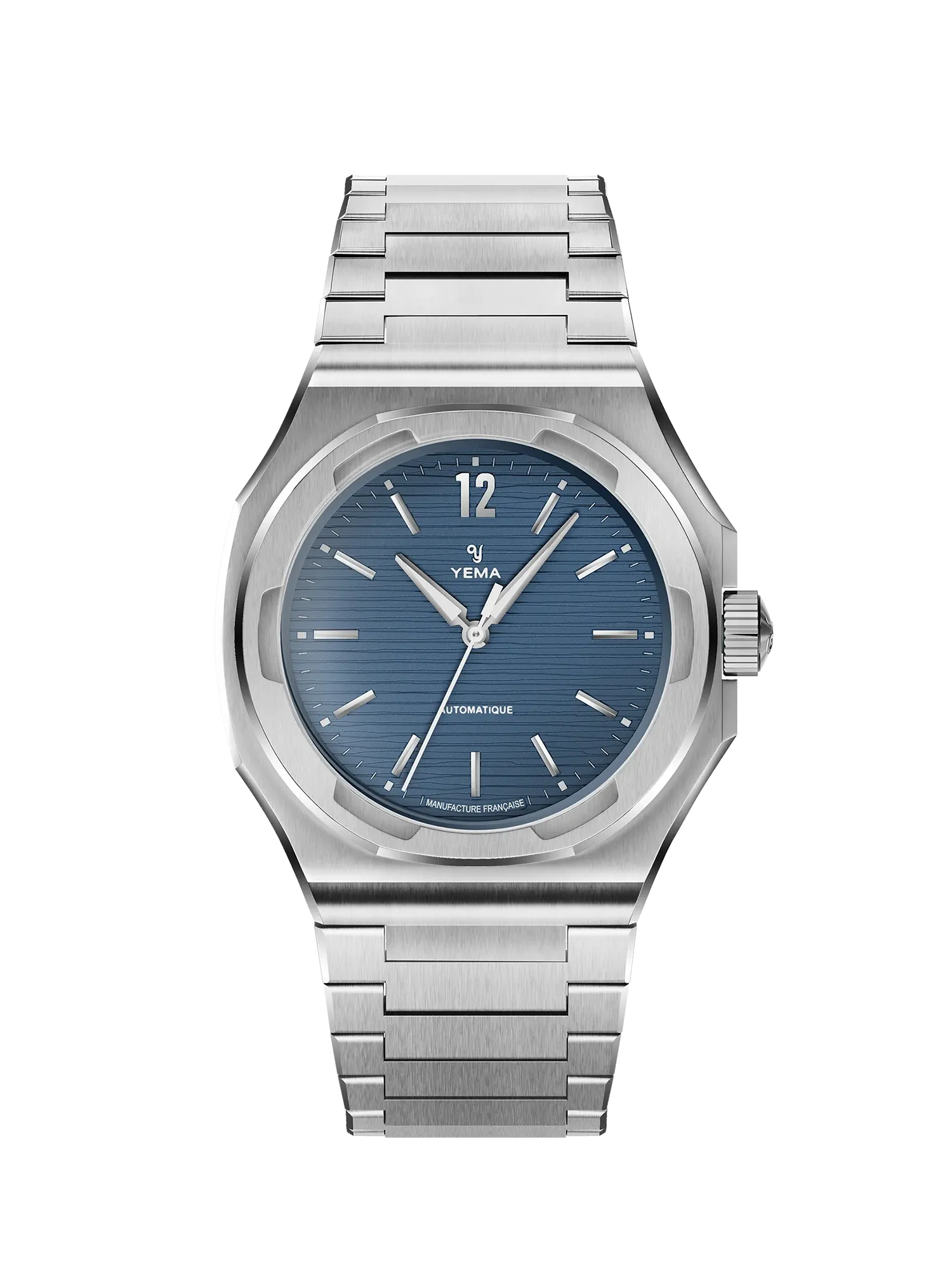
Wristmaster Slim CMM.20
Sale price$2,490.00
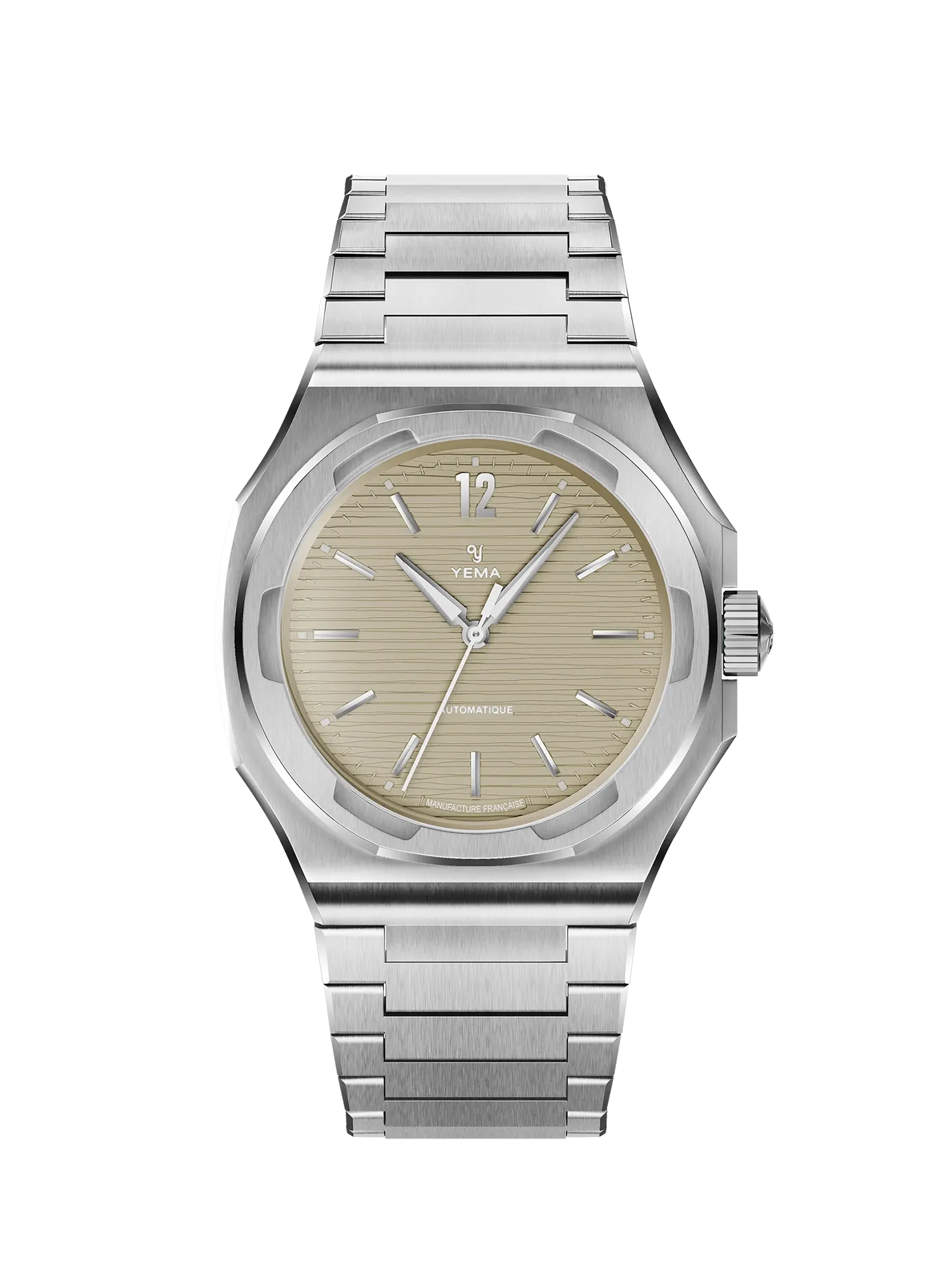
Wristmaster Slim CMM.20
Sale price$2,490.00
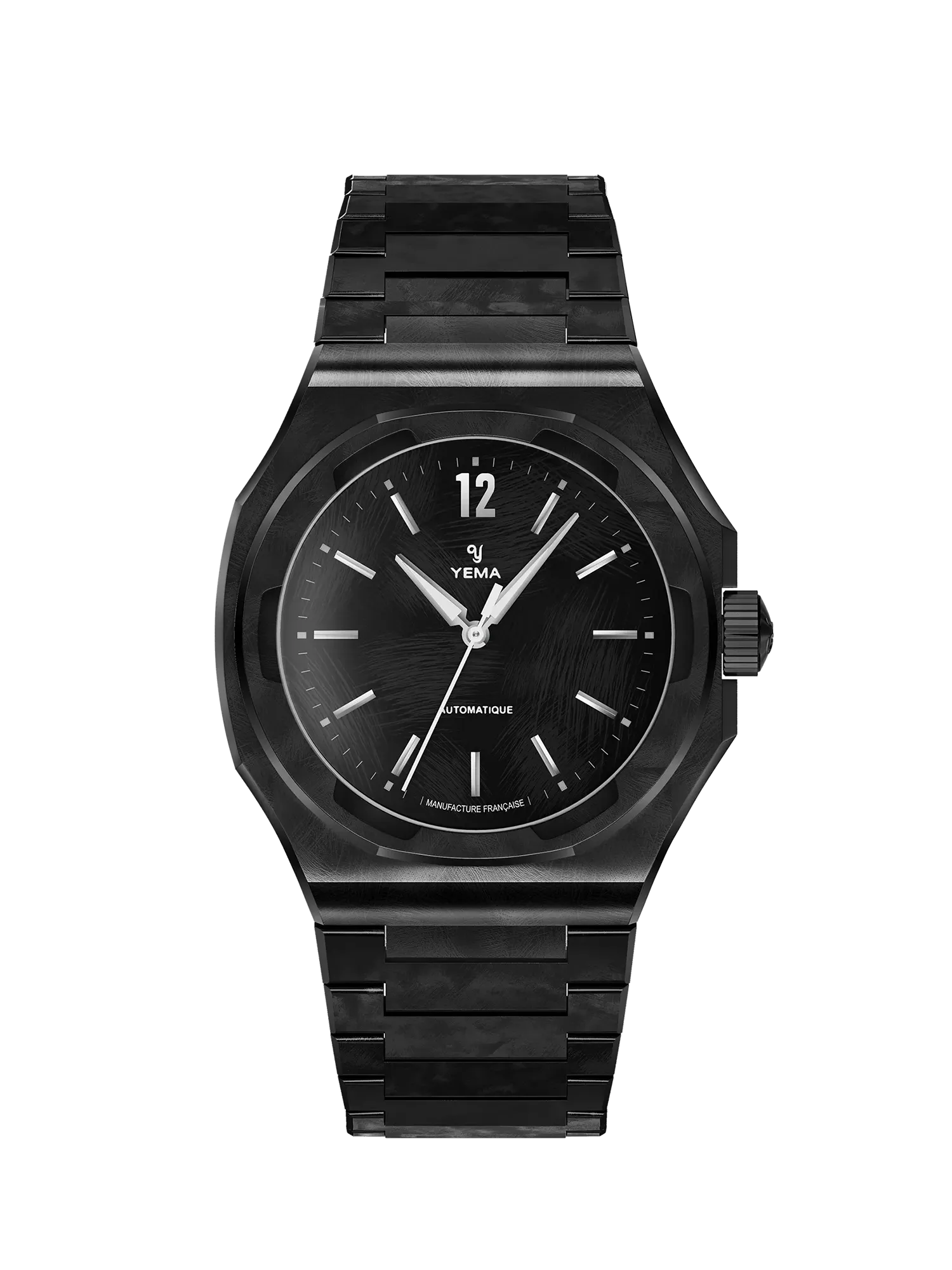
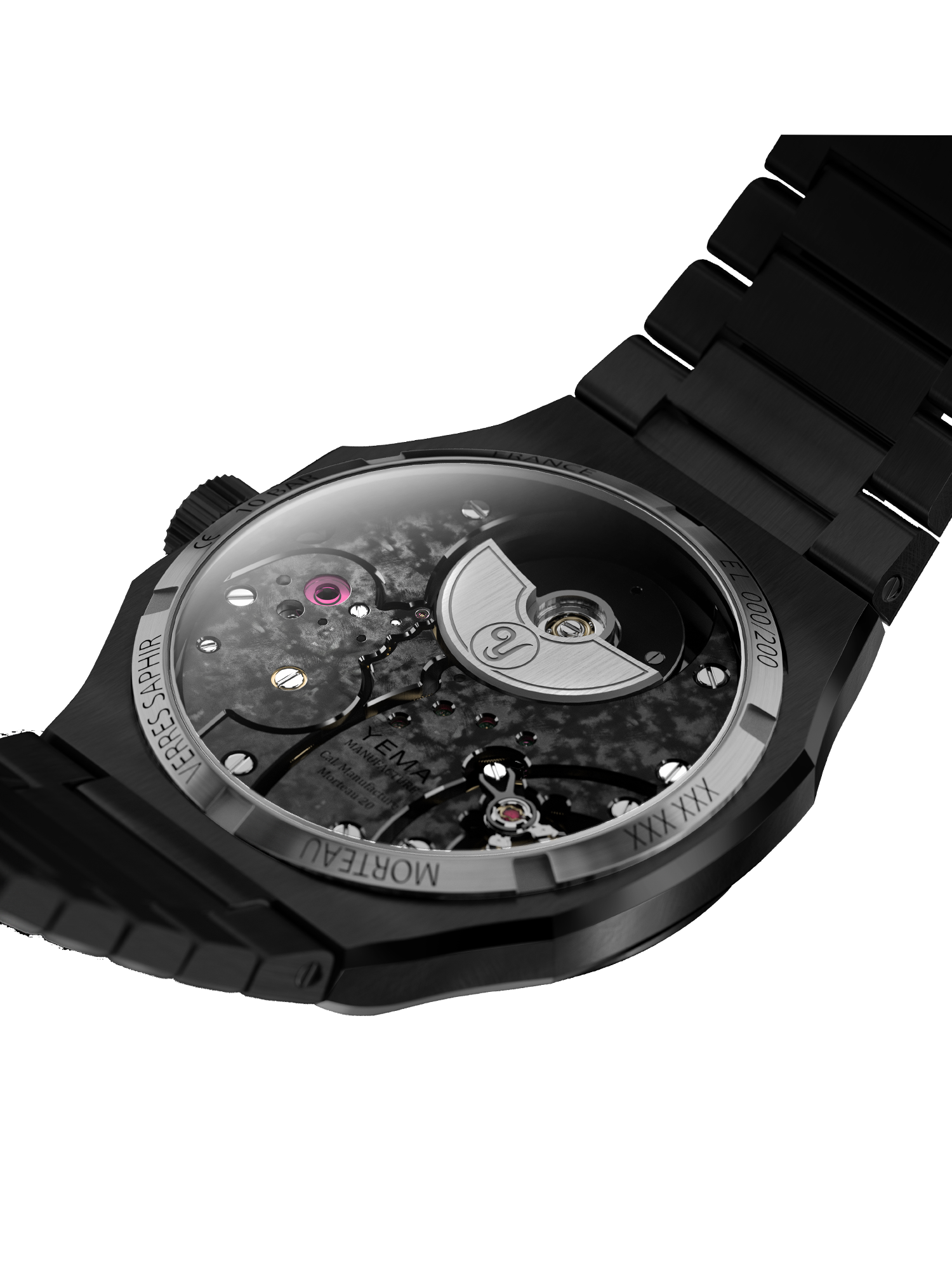
Wristmaster Slim CMM.20 Limited Edition
Sale price$2,449.00
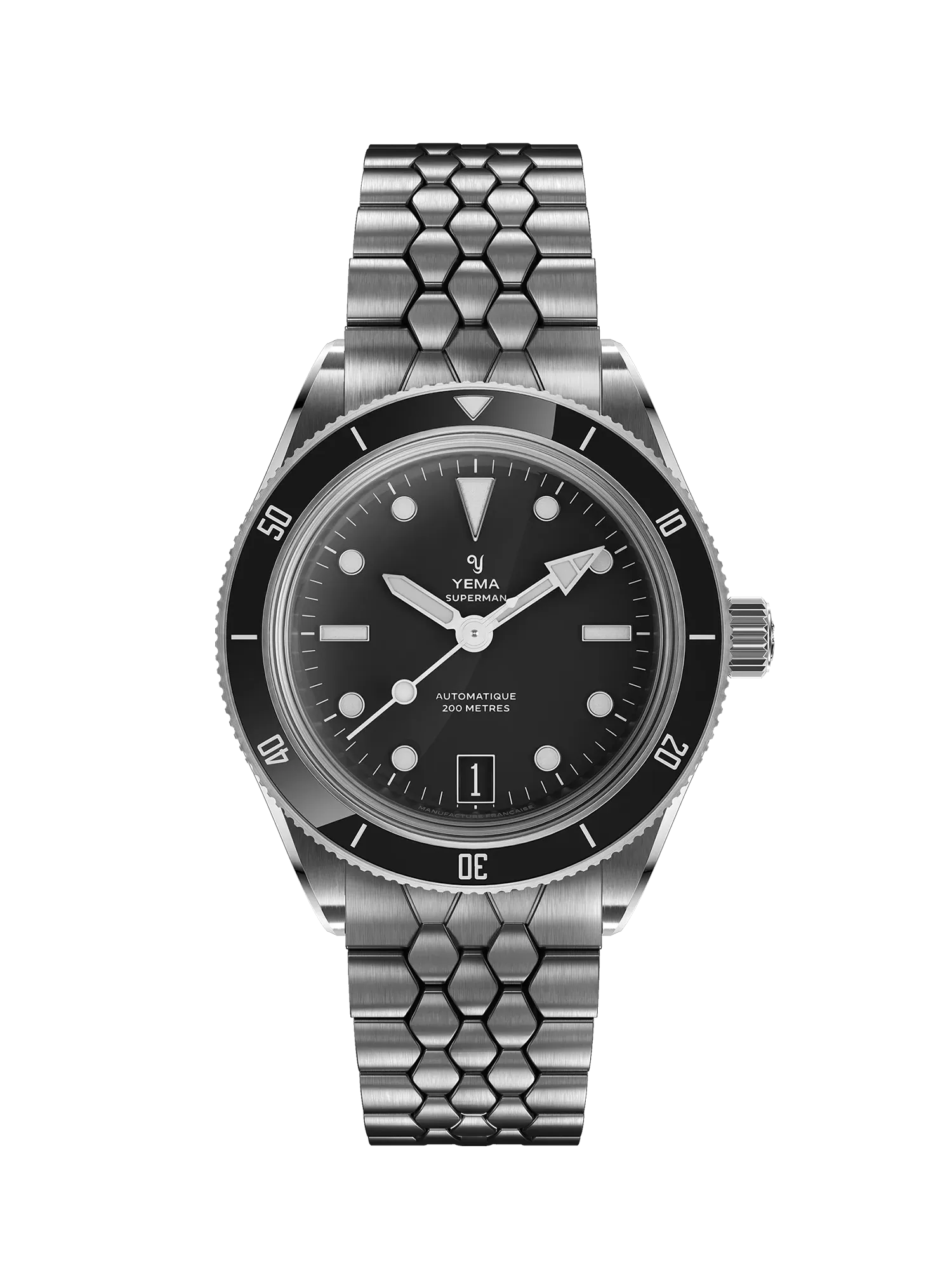
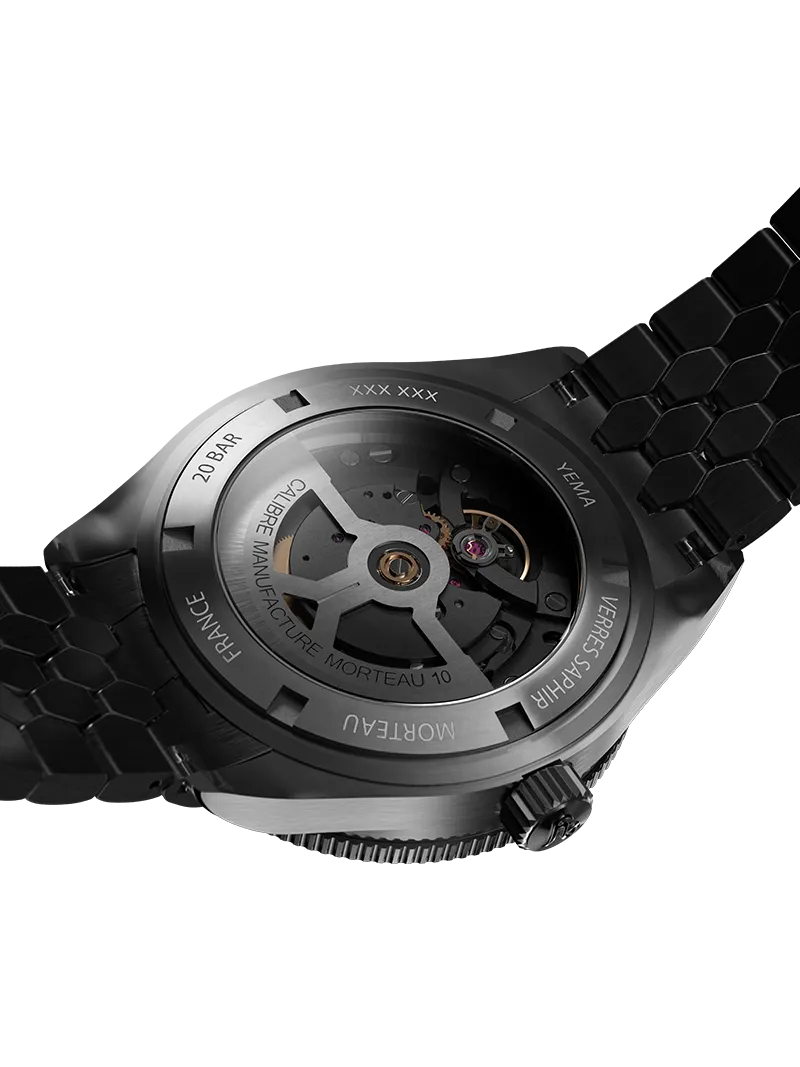
Superman Dato CMM.10
Sale price$2,090.00
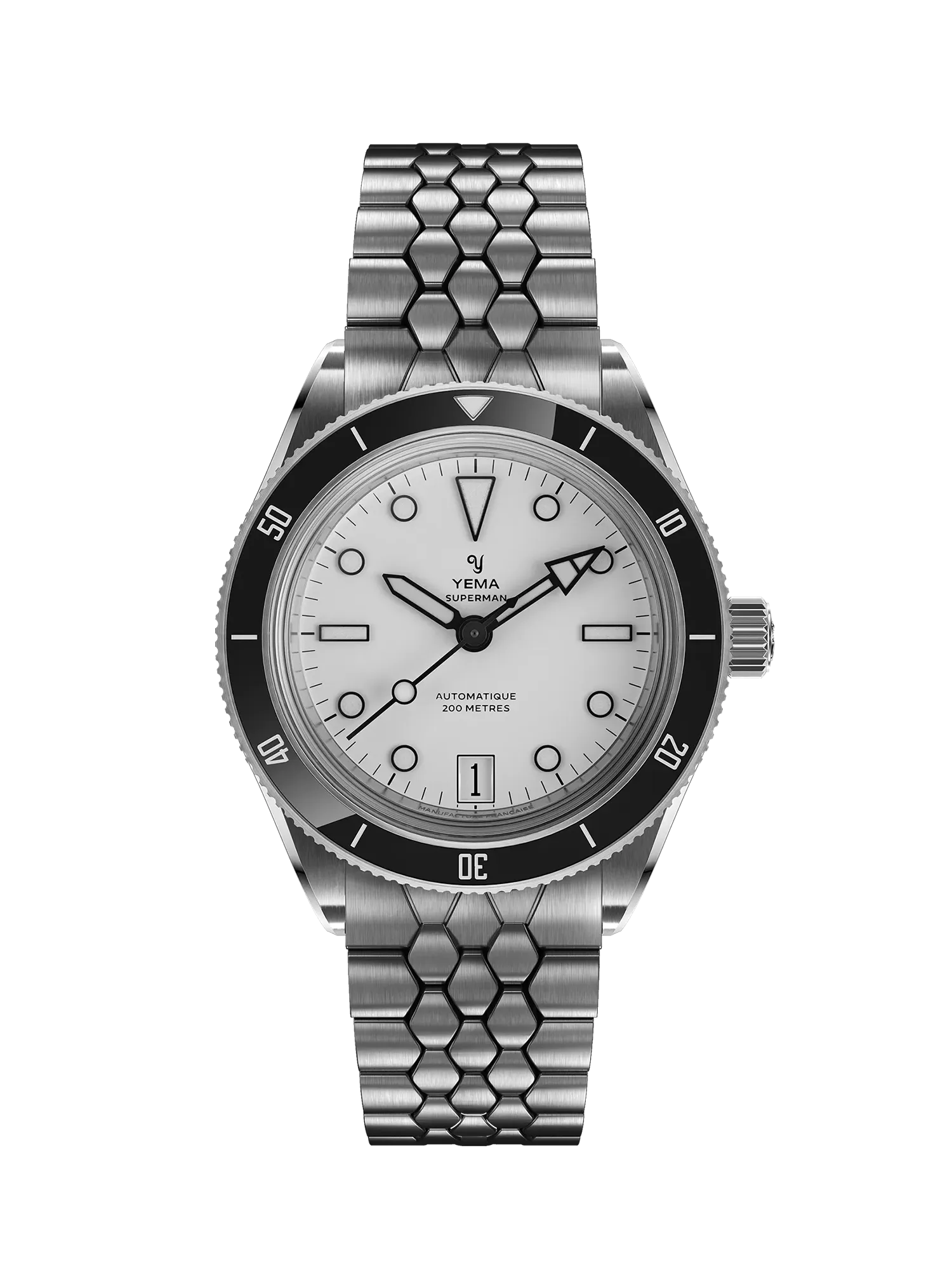
Superman Dato CMM.10
Sale price$2,090.00
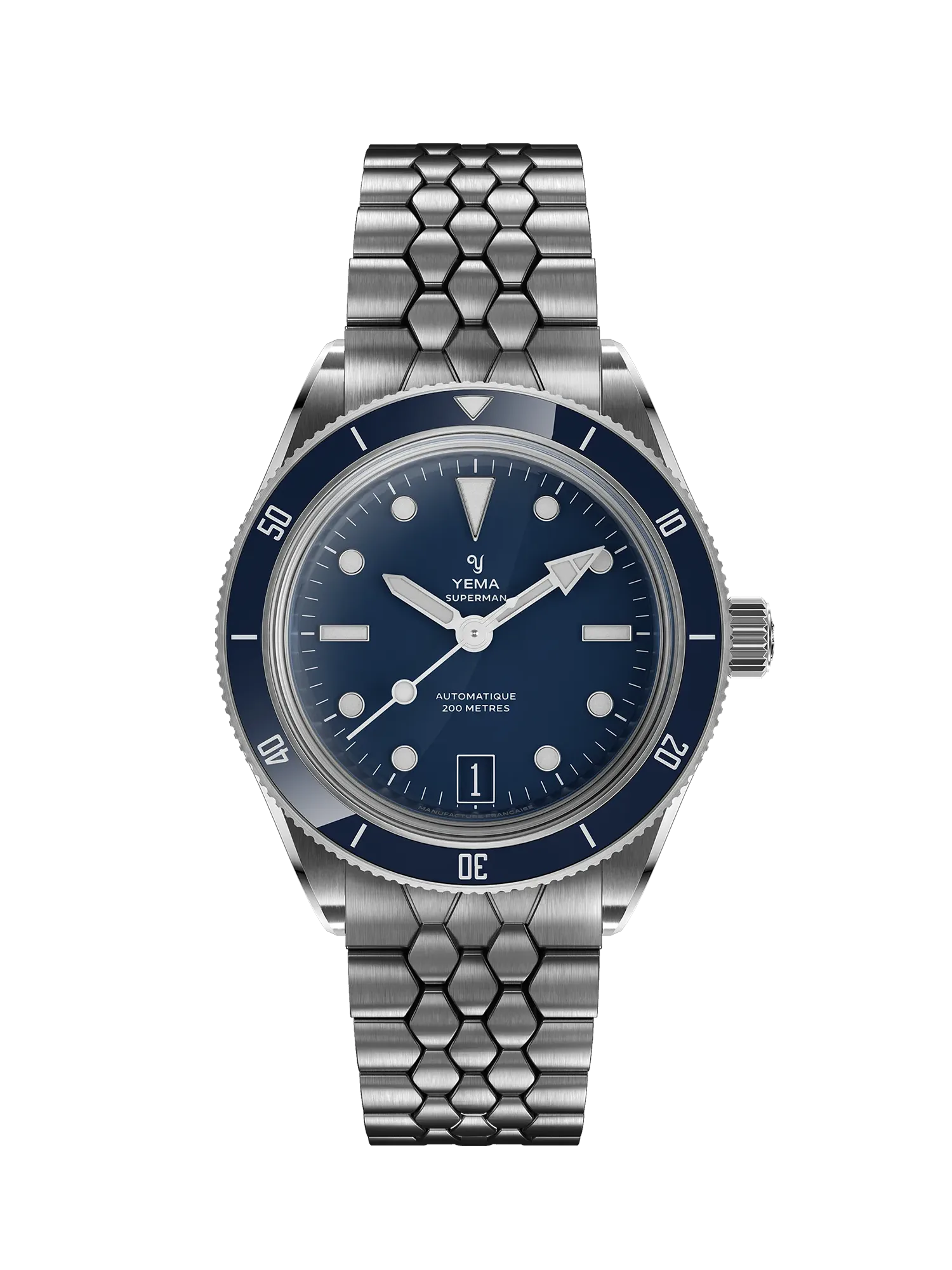
Superman Dato CMM.10
Sale price$2,090.00
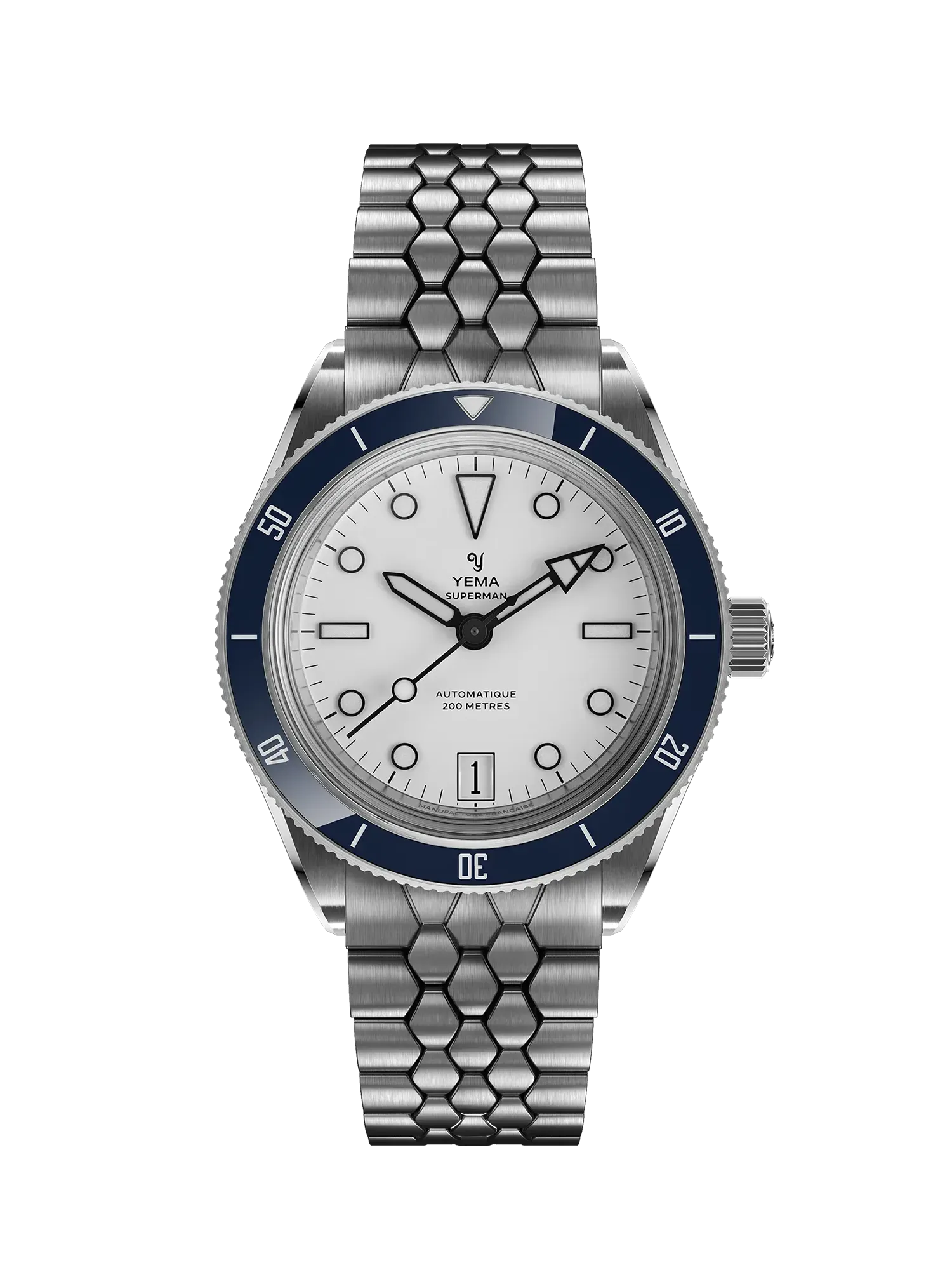
Superman Dato CMM.10
Sale price$2,090.00
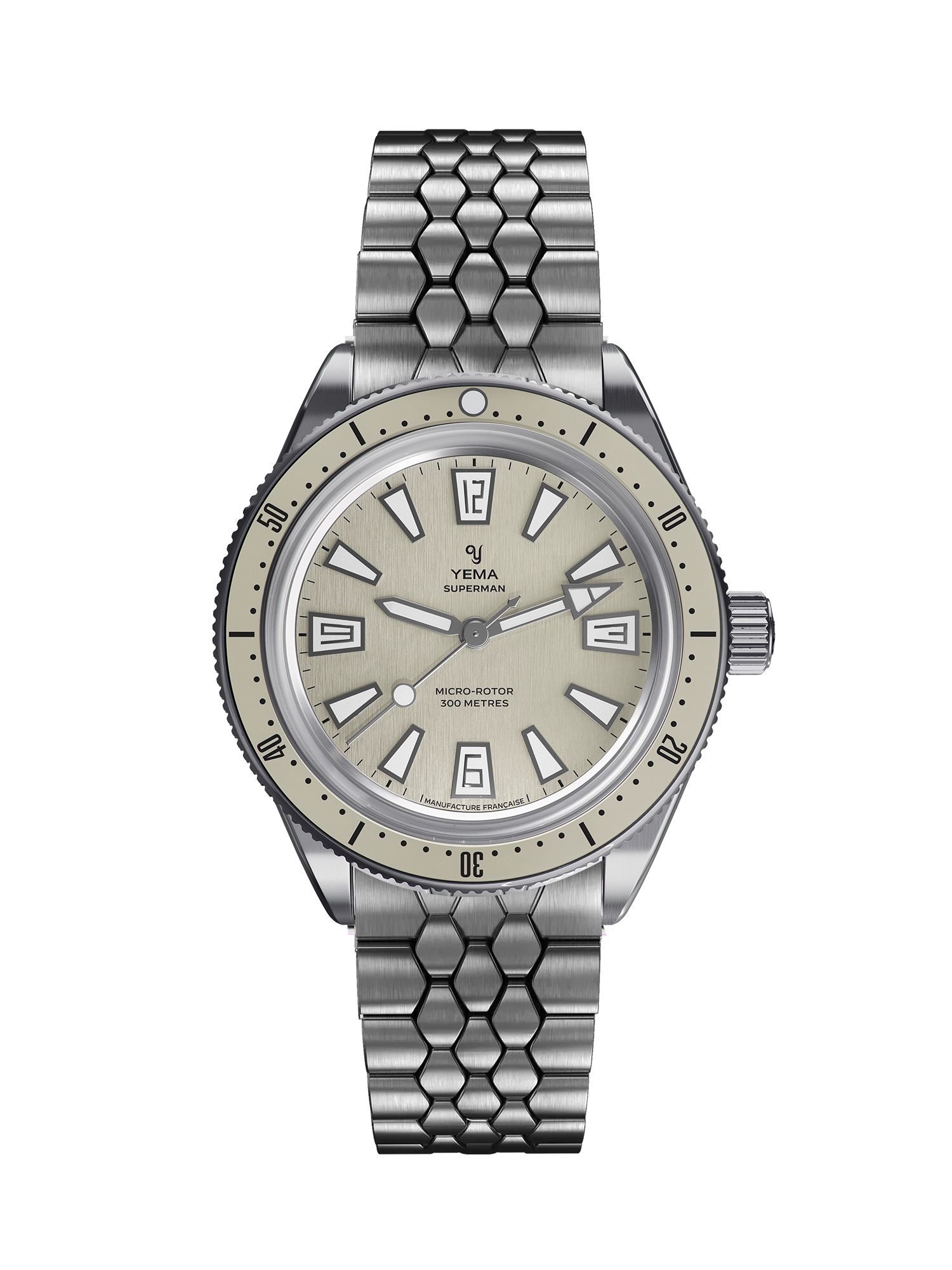
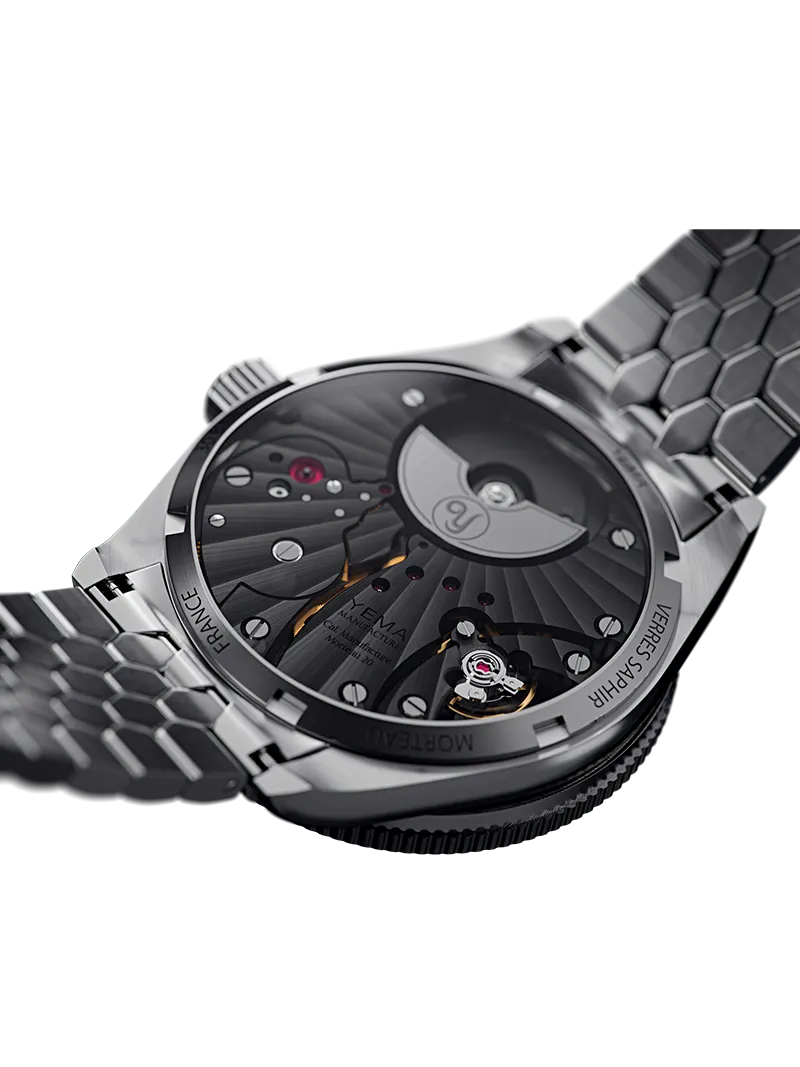
Skin Diver CMM.20
Sale price$2,790.00
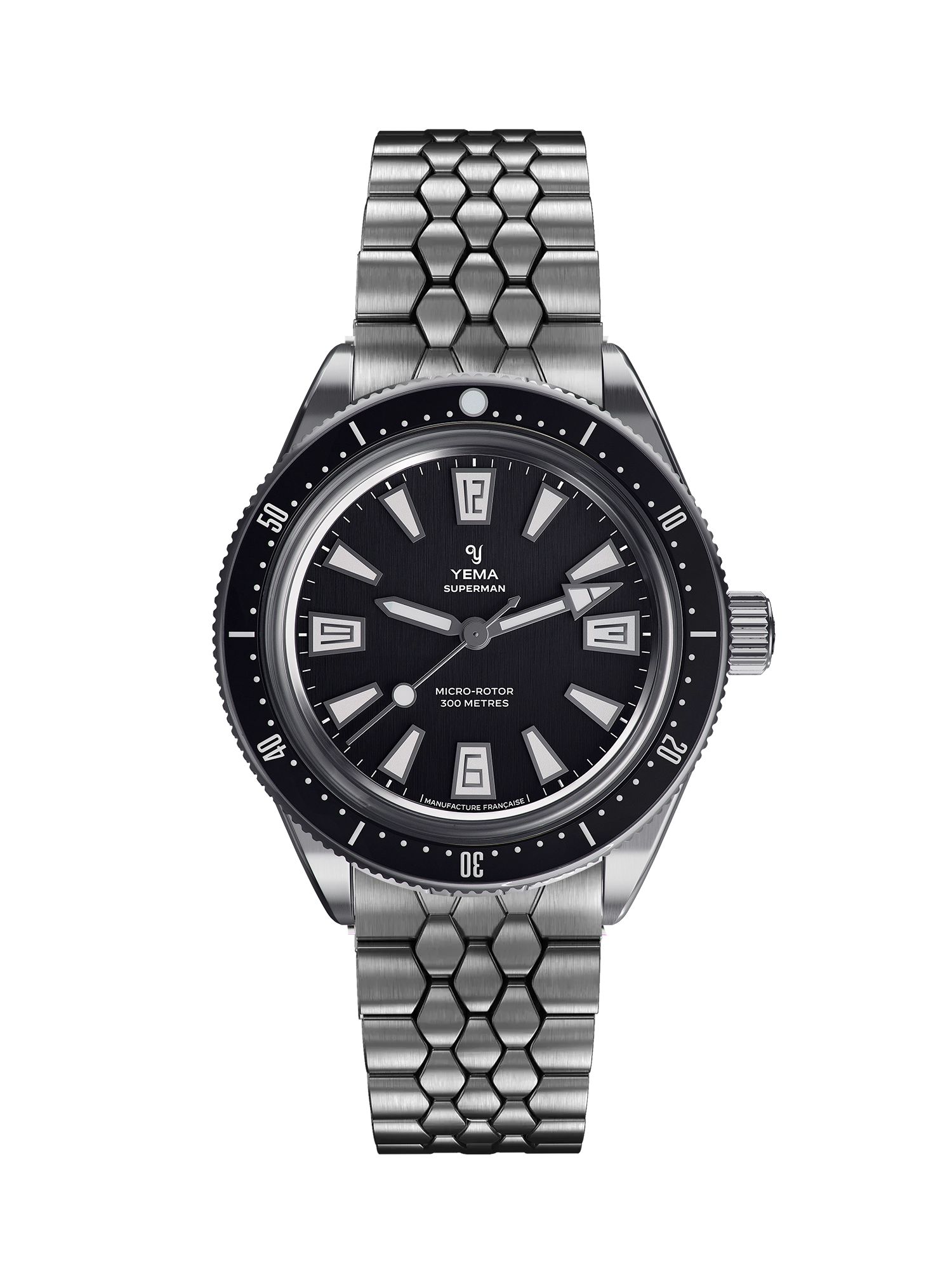
Skin Diver CMM.20
Sale price$2,790.00